Choosing the Perfect Wetsuit for Kiteboarding: A Guide


Intro
Choosing a wetsuit for kiteboarding is no small feat. With various factors in play, it can feel overwhelming to pick the right one. The fit, material, thickness, and even the specific features can significantly impact your performance and comfort on the water. Additionally, understanding how water temperature influences wetsuit selection is crucial for those looking to get the most out of their kiteboarding experience.
In this guide, you will examine each element that contributes to selecting the right wetsuit. From dissecting the nuances of various materials—like neoprene or a more eco-friendly option—to exploring how the right thickness can mean the difference between pleasure and discomfort during those chilly rides.
You will also find maintenance tips, helping you keep your wetsuit in top shape, ensuring it serves you well for years to come. So, whether you are a seasoned pro or just starting on your kiteboarding journey, understanding these elements is key to enhancing your overall experience on the water.
Understanding the Role of a Wetsuit in Kiteboarding
Wetsuits play a pivotal role in the kiteboarding experience, serving as more than just a protective barrier against the elements. They are designed to enhance comfort, safety, and overall performance, making it essential for enthusiasts to grasp their significance when selecting the right suit. The main elements to consider include protection against environmental factors, thermal insulation, and buoyancy, each contributing to a rider's success on the water.
Protection Against Elements
Kiteboarding doesn't always mean perfect weather and sunshine. Riders often face wind, spray, and chilly water temperatures. A well-fitted wetsuit acts like a shield, providing essential protection. It keeps the body dry to some extent while offering resistance against wind chill, helping maintain your core temperature even in less-than-ideal conditions.
For instance, consider heading out on a breezy day when the wind is strong enough to mask the water’s cold bite. Without a wetsuit, the wind can chill you to the bone and sap your energy fast. A durable suit would help trap a thin layer of water between the skin and the wetsuit, which warms up with body heat, offering a cocoon that shields from harsh gusts and splashes. In this case, the right wetsuit not only keeps you warm but reduces the fatigue that results from being exposed to harsh conditions.
Thermal Insulation
Understanding thermal insulation is vital for any kiteboarder. Water draws heat away from your body much quicker than air does, which can lead to hypothermia if you’re not careful. A wetsuit utilizes various thicknesses of neoprene that help to retain body heat and minimize the amount of cold water that can seep in.
Different thickness options cater to varying water temperatures. For example, a 3/2mm suit might be perfect for early summer sessions in temperate waters, while a thicker 5/4mm suit will be better suited for winter months or frigid seas. It’s crucial to match the wetsuit's thermal properties to the expected conditions during your kiteboarding outings. This holistic approach towards insulation lets you enjoy your ride without the looming discomfort of the cold.
Buoyancy and Safety
Beyond warmth, a wetsuit provides buoyancy, helping support your body while in the water. This can be a lifesaver. Let’s imagine you're out riding the waves when suddenly, you lose your board. In this scenario, the buoyancy offered by your suit can keep you afloat while you regain your composure or simply wait for help. A properly designed wetsuit can aid in maintaining a vertical position in water, reducing energy expenditure in a recovery situation.
Maintaining buoyancy is not just about staying above water; it can also serve as an added layer of safety during inexperienced outings. Rookies can find themselves panicking when they feel they are in over their heads. Here, buoyancy helps them stay calm and collected as they manage potential tumbles or unexpected wipeouts without fear of sinking. That’s another layer of confidence you gain with the right wetsuit.
In summary, the role of a wetsuit in kiteboarding transcends mere fabric and stitching. Proper selection considering the protection against elements, thermal insulation, and buoyancy ensures a thrilling and safer ride on the water. Understanding these elements helps you truly harness the full potential of your kiteboarding adventures.
Key Considerations for Wetsuit Selection
Choosing the right wetsuit for kiteboarding is pivotal for maximizing both performance and enjoyment on the water. A well-selected wetsuit not only enhances your experience by ensuring comfort, but it also plays a crucial role in safeguarding against the elements. Therefore, understanding the various aspects of wetsuit selection is essential. Each factor, from size to material and thickness, can significantly affect your kiteboarding activities.
Sizing and Fit
The fit of a wetsuit cannot be overstated. It needs to hug your body closely without being too tight. If the wetsuit fits poorly, you might just as well be fishing for not getting the most from your time on the water. A wetsuit that’s too loose will let cold water in, which defeats its purpose of keeping you warm, while one that’s too tight will restrict movement and could even cause discomfort.
Several brands have different sizing charts, so it’s wise to try them on if possible. Measuring your chest, waist, and inseam accurately will help ensure you get a size tailored for you. A good fit is when the suit feels snug without pinching or pulling.
Material Types
Neoprene Explained
Neoprene is the reigning champ when it comes to wetsuit materials, and for good reason. This synthetic rubber is packed with air pockets that offer excellent insulation and flexibility. The more stretch a neoprene offers, the easier it is to paddle and maneuver. Its buoyant nature also provides a bit of an added security blanket when out in the water.
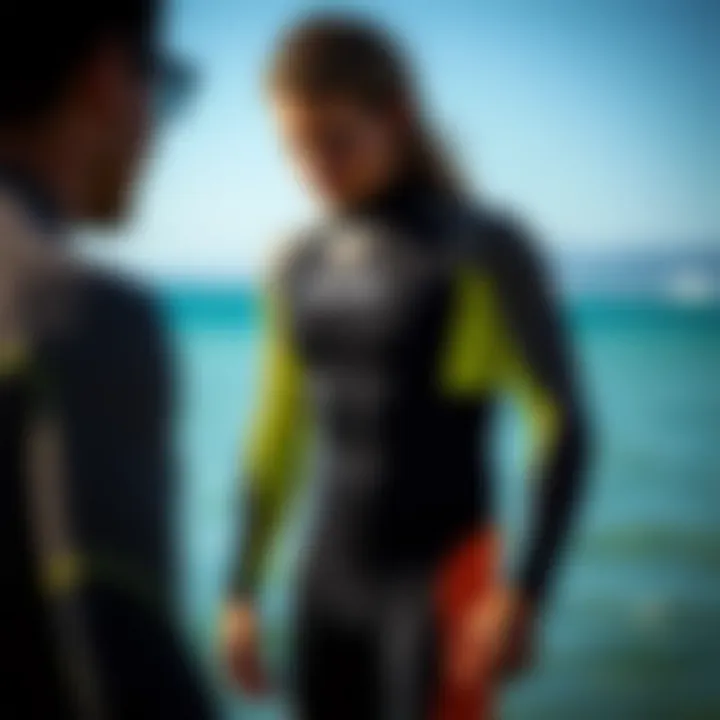
However, not all neoprene is created equal; you’ll find different grades and qualities offered by various brands. For kiteboarders, the key advantage of neoprene is its adaptability to body heat—allowing you to stay warm without feeling like you’re in a sauna.
Alternative Materials
With increasing awareness of environmental issues, some brands are turning to alternative materials for their wetsuits, such as Yulex, which is made from natural rubber. This option has garnered attention because it’s more sustainable than traditional neoprene, lessening the ecological footprint.
While alternative materials may have a smaller market share, they cater to consumers looking for eco-friendly choices. A unique aspect is that these materials tend to offer decent warmth, though they might not always provide the same level of stretch as high-quality neoprene. Deciding between these options ultimately depends on your personal values and sensitivity to environmental impacts.
Thickness Variations
Choosing Thickness for Temperature
One of the most critical aspects of wetsuit selection is its thickness, which generally varies from 2mm to 6mm or more. The right thickness is influenced largely by the water temperature where you'll be kiteboarding. In warmer waters, a thinner suit allows for freedom of movement and keeps you from overheating. Conversely, in chillier temperatures, a thicker wetsuit locks in body heat and keeps you comfortable.
A good rule of thumb? If you find yourself shivering during your first session of the day, your wetsuit might be too thin. Similarly, too thick of a wetsuit in warmer waters can leave you feeling fatigued quickly.
Summer vs. Winter Wetsuits
Differentiating between summer and winter wetsuits boils down to temperature and material characteristics. Summer wetsuits are typically lighter, more flexible, and often come with short sleeves or legs to maintain a balance between comfort and protection. On the flip side, winter wetsuits come in thicker materials and full-length designs to combat the cold.
Understanding what you’re going to face during your kiteboarding adventures is essential. Will you be hitting the waves in sunny weather, or are you braving the chilly winds? Knowing the seasonal variations can dramatically influence your wetsuit selection, ensuring you stay comfortable and enjoy every ride.
Design Features to Evaluate
When it comes to choosing a wetsuit for kiteboarding, the design features play a pivotal role. A wetsuit isn't just a piece of gear; it’s a second skin that impacts your performance, comfort, and safety. Understanding these elements ensures that you select a wetsuit that truly meets your needs and enhances your time on the water. Each aspect of design can determine how effectively the wetsuit will function, especially in various conditions.
Seam Construction
The seam construction in a wetsuit can significantly impact its durability and water resistance. There are two predominant types of seams that kiteboarders should be familiar with: flatlock seams and glued & blind stitched seams.
Flatlock Seams
Flatlock seams are a common stitching technique in wetsuits. This method involves a straightforward overlap where the two pieces of fabric are sewn together flatly. This results in a sturdy construction that’s less likely to suffer from wear and tear. One of the key characteristics of flatlock seams is their breathability. Because they lay flat against the skin, they allow for better ventilation. This can be especially advantageous in warmer waters. However, it’s important to understand that while flatlock seams offer comfort, they can let in water more easily than other styles.
A possible downside is that while you’re out kiteboarding, you may end up with a bit of water leakage. This means that if you’re surfing in colder temperatures, you might feel a chill as waves splash against your suit. Overall, they are a popular choice for warm water use or for those who prefer a looser fit.
Glued and Blind Stitched Seams
On the flip side, glued and blind stitched seams are designed to offer superior water resistance. In this technique, the fabric edges are glued together and then stitched, but the needle does not penetrate completely through. This means that the seam becomes less vulnerable to water ingress. The main advantage is that it keeps the warmth inside your wetsuit, making it a suitable choice for colder conditions, where keeping body heat is crucial.
However, glued and blind stitched seams can be slightly less flexible, making it trickier to put on or take off the wetsuit. Moreover, if not done correctly, these seams can sometimes wear out more quickly over time compared to flatlock seams.
Zipper Types
Zippers play an essential part in a wetsuit's functionality. They can affect not only how easily you can put on or remove your suit, but also the overall comfort and water tightness. There are primarily two varieties to choose from: back zippers and chest zippers.
- Back Zippers: These are the most common type in lower-end wetsuits. Generally, they provide easier access when you’re getting into your wetsuit. However, they can sometimes allow water leakage, especially if the zipper is not properly sealed.
- Chest Zippers: These zippers are often found in higher-end models. They minimize potential water entry and are designed to make the suit more streamlined. Though it may take some getting used to, many consider chest zippers to offer a snugger fit.


Choosing a suitable zipper type can make a substantial difference in how the wetsuit feels while kiting.
Padding and Reinforcement
Padding and reinforcement are often overlooked elements but can enhance performance and comfort significantly. Certain areas, like the knees and shins, may be reinforced with extra layers of material. This protects them against wear and makes the wetsuit more durable during prolonged use.
- Knee Pads: These pads in the wetsuit protect your knees from impact and abrasion when you're getting back up after a wipeout or adjusting your position on the board.
- Torso Padding: Some suits might incorporate padding around the torso area to provide extra warmth and buoyancy. The additional layer can help in maintaining your core temperature, crucial for longer sessions in cooler waters.
The padding can add a little extra bulk, so it’s important to find a balance between protection and the suit's overall fit.
Overall, evaluating these design features will enhance your decision-making process when selecting the right wetsuit for kiteboarding, ensuring a more enjoyable and efficient experience on the water.
Wetsuit Brands and Models
When selecting a wetsuit for kiteboarding, the brand and model can significantly impact your experience on the water. It’s not just about the looks; quality, comfort, and performance differ from one manufacturer to another. Some brands are well established and known for their innovative designs, while others might cater to a niche audience or specific styles of riding. Understanding the landscape of wetsuit brands helps you make an informed choice, ensuring that you invest in a product that aligns with your particular kiteboarding needs.
Popular Brands Overview
In the world of kiteboarding, several brands have set the gold standard. A few names often make waves in conversations:
- O'Neill - Renowned for producing durable and flexible wetsuits, they’ve been around for decades. They tend to use premium neoprene and unique technologies that enhance overall performance.
- Rip Curl - Known for their high-quality wetsuits, Rip Curl combines style with functionality, catering to varying water temperatures and conditions. They are often considered a go-to for both amateur and professional kiteboarders.
- Billabong - Focusing on performance and sustainability, Billabong offers multifunctional wetsuits that stand the test of time.
- Xcel - A brand that prides itself on innovation, Xcel wetsuits change the game with sleek designs and advanced thermal properties.
Each of these brands brings something distinct to the table, such as fit, appeal, and financial commitment. Remember to prioritize what’s essential to you: Do you need a long-lasting suit for cold waters or a more lightweight design for summer fun?
Model Comparisons
Comparing models within each brand can be as daunting as wrangling your kite in strong winds. However, breaking it down can help you find the right fit for your riding style:
- O'Neill Psycho - This model is known for its exceptional flexibility and warmth, with seamless construction for reduced water entry. Perfect for serious kiteboarders pushing their limits in chilly waters.
- Rip Curl Dawn Patrol - Excellent for those who strap in for a bit of everything. This suit has a solid balance of warmth and flexibility, making it a great choice for moderate conditions.
- Billabong Furnace - With a focus on eco-friendliness, this suit does not compromise on comfort or performance. It retains heat while being kind to Mother Earth, which many kiteboarders appreciate.
- Xcel Drylock - Ideal for cold water enthusiasts, it boasts an excellent fit and warmth retention, making every session feel enjoyable, not miserable.
Here’s a concise comparison chart that might help you clarify which model aligns with your preferences:
| Brand | Model | Key Features | Ideal Conditions | | O'Neill | Psycho | Flexible, warm, seamless | Cold water | | Rip Curl | Dawn Patrol | Balanced warmth and flexibility | Moderate conditions | | Billabong | Furnace | Eco-friendly, warm | Versatile conditions | | Xcel | Drylock | Excellent fit, warmth retention | Cold water |
Choosing the right wetsuit model is about finding the perfect balance between what feels good and what performs well in your unique riding conditions.
The fit, material, and construction of models from each brand will dictate your comfort and warmth during kiteboarding sessions. Stay clear of what does not fit or feel right – your performance on the water relies heavily on what you wear. Take your time to try different models and don’t shy away from seeking expert opinions when it comes to picking one that suits your kiteboarding adventures.
For more information about kiteboarding communities and to share experiences, you might want to check out Reddit or connect with enthusiasts on Facebook. Engaging with fellow kiteboarders can provide insights you won’t find in a store.
Environmental Considerations
In the realm of kiteboarding, where the thrill of the wind and waves takes center stage, there lies an often-overlooked aspect that commands attention: environmental considerations regarding wetsuits. This facet plays a crucial role not just in fostering a growing awareness among enthusiasts but also in shaping a sustainable future for the sport. As kiteboarding continues to gain popularity, understanding how wetsuits affect our environment becomes imperative for every rider, whether seasoned or just starting out.
Choosing a wetsuit that aligns with eco-friendly principles not only reflects personal values but also contributes positively to the marine ecosystems we enjoy. With resources dwindling and climate change presenting new challenges, our decisions hold significance. In this section, we will uncover sustainable wetsuit options and examine the impact of wetsuit production on the environment.
Sustainable Wetsuit Options
Considering the plight of our oceans and the natural world, more brands are turning to sustainable options when designing wetsuits. Here are a few noteworthy eco-conscious materials that have emerged in the industry:
- Yulex: This natural rubber sourced from rubber trees is a sustainable alternative to traditional neoprene. Its production results in lower carbon emissions and uses less energy and water compared to synthetic counterparts.
- Recycled Neoprene: Some manufacturers produce wetsuits from recycled materials, helping to reduce waste and limit the use of virgin petroleum-based products. Wetsuits crafted from recycled materials retain performance while being more environmentally friendly.
- Bio-based Materials: These include innovative textiles that are derived from natural resources such as algae or corn. Not only do they lessen dependence on petroleum, but they also often provide an equivalent level of thermal insulation.
When selecting a wetsuit, be sure to look for certifications or labels that indicate environmental responsibility. This way, riders can feel confident that their choice is having a positive impact.
Impact of Wetsuit Production on the Environment
The journey of a wetsuit from conception to production is fraught with environmental implications. It is vital to acknowledge these factors as they influence our oceans, air quality, and overall ecosystem. A few key points to consider include:
- Resource Intensity: The manufacturing process for traditional neoprene can be resource-heavy, requiring a significant amount of water and fossil fuels. A substantial energy footprint is involved in extracting and refining the required raw materials.
- Chemical Contributions: The production of neoprene often involves harmful chemicals that not only pollute waterways but may also pose health risks to factory workers. These substances can leach into the environment, affecting ecosystems over time.
- Waste Generation: The end-of-life scenario for wetsuits is not great either, as many are discarded in landfills where they can take decades to decompose. This contributes further to the mounting waste crisis faces globally, particularly in marine environments.
To mitigate these impacts, kiteboarders can adopt practices promoting the recycling of old wetsuits or support brands that are committed to circular economy practices. Supporting eco-friendly brands is not merely voting with your wallet; it’s about fostering a community that values and strives for sustainability.
"Choosing a wetsuit is not just about comfort; it’s a decision that resonates beyond the water, influencing our environment for generations to come."
Maintaining Your Wetsuit
When it comes to kiteboarding, having the right equipment is crucial, and your wetsuit plays a significant role. However, owning a high-quality wetsuit is just the beginning. Proper maintenance is essential to extend its life and ensure it performs at its best. A well-kept wetsuit not only enhances comfort but also allows you to focus on mastering your skills in the water instead of worrying about equipment issues. Let’s dive deeper into what it takes to maintain your wetsuit effectively.
Cleaning Techniques
Maintaining a kiteboarding wetsuit begins with cleaning. After all, your wetsuit encounters saltwater, sand, and all sorts of debris with every session. If these elements are not properly cleaned off, they can wear down the material over time.
- Rinse with Fresh Water: Right after getting out of the water, take your wetsuit and rinse it thoroughly with fresh water. Focus on the inside, where salt and sweat tend to build up. Use a gentle stream; high pressure could damage seams or the fabric.
- Use Mild Detergents: Every now and then, it’s useful to wash your wetsuit with a specialized wetsuit cleaner or mild detergent. Avoid harsh chemicals or fabric softeners as they can break down the neoprene.
- Cold Water Wash Only: Always remember to use cold water. Hot water can cause the material to break down faster, ruining your suit's flexibility and insulation properties.
- Air Drying: After washing, hang it up to air dry in a shaded area, away from direct sunlight. Sunlight can cause colors to fade and the material to crack.
"A little care goes a long way! Keeping your wetsuit clean ensures you’ll keep enjoying the waves for seasons to come."
Storage Tips
Proper storage is just as important as cleaning. If the wetsuit is stored incorrectly, it can lead to odors or permanent damage.
- Avoid Folding: Always hang your wetsuit on a thick, padded hanger. Folding it can create creases that wear down the material over time.
- Dry Before Storing: Make sure your wetsuit is completely dry before you store it. Any moisture can lead to mildew, which is difficult to remove and can damage the materials.
- Choose the Right Climate: Store your wetsuit in a cool, dry place. Extreme temperature fluctuations can affect its structure adversely.
- Check Periodically: If you’re not using your wetsuit for an extended time, periodically check on it to ensure that it remains in good shape. This will help catch any issues before they become major problems.
By keeping these cleaning techniques and storage tips in mind, you can ensure that your wetsuit stays in tip-top condition, ready for your next kiteboarding adventure. The effort put into maintaining your gear reflects your commitment to the sport and can significantly enhance your overall experience on the water.
The End and Final Thoughts
In wrapping up this detailed exploration of wetsuits for kiteboarding, it’s essential to recognize the significance of choosing the right suit. It’s not merely an accessory; it’s a critical component that influences every aspect of your kiteboarding experience. The proper wetsuit provides warmth, comfort, and safety, which are paramount when navigating the unpredictable elements on the water.
A well-chosen wetsuit significantly enhances enjoyment while out on the waves, allowing you to focus on performance rather than on possible discomfort or environmental factors. As discussed in previous sections, considerations such as fit, materials, thickness, and design features all play pivotal roles in determining how effectively a wetsuit serves you.
Comfort is a crucial element, as an ill-fitting suit can turn an exciting day on the water into an arduous workout. Moreover, understanding the thermal insulation properties of various materials can help you choose a suit that keeps you warm without sacrificing mobility. Furthermore, adaptability plays a role; a wetsuit that works well in one scenario may not be as effective in another.
"Choosing the right wetsuit is like picking the right gear for a journey; it defines your experience and impacts your performance."
Ultimately, these insights allow kiteboarding enthusiasts to make informed decisions, tailoring their equipment to match both the conditions and their personal needs. Therefore, as you reflect on this guide, recognize that investing your time and energy into selecting the right wetsuit will undoubtedly pay off with countless thrilling moments on the water.
Recap of Key Points
- Protective Benefits: A wetsuit protects against harsh weather conditions, impacts, and the chill of water, enhancing safety and comfort.
- Material Significance: The material type, primarily neoprene, crucially influences thermal insulation and flexibility.
- Fit Matters: Fitting perfectly is vital; it affects mobility and warmth retention.
- Environmental Concerns: Consideration of sustainable options is increasingly important in today’s world.
- Maintenance: Proper care and maintenance prolong the life of your wetsuit, ensuring optimal performance.
Encouragement for Personal Research
Remember, while this guide offers foundational knowledge, personal research is equally important. Everyone's needs and preferences differ when it comes to kiteboarding gear. Whether it's a specific brand, the latest technological materials, or individual fit, spending time reading reviews, browsing forums, and engaging with the kiteboarding community can yield valuable insights. Platforms like Reddit, enthusiast blogs, and official brand websites offer a wealth of information that can supplement what you’ve learned here.