The Importance of Colorful Wetsuits in Kiteboarding
Intro
In the world of kiteboarding, the colors and designs of wetsuits are more than mere decoration. These vibrant garments play a pivotal role in combining fashion with function. With large water surfaces and the fast-paced nature of the sport, visibility becomes critical, and colorful wetsuits can cover that gap effectively. From the high-spirited novice to the seasoned veteran, understanding the multifaceted aspects of wetsuit colors can enhance not only one's personal expression but also safety and performance.
As kiteboarding continues to grow in popularity, it is essential for enthusiasts and professionals alike to appreciate how their gear impacts the experience on the water. This article will break down the significance behind these colorful wetsuits by delving deep into the equipment insights, exploring the techniques of kiteboarding, and analyzing how the aesthetics serve functional purposes.
By the end, you will have a clearer perspective on how a simple garment can elevate your time spent in the ocean while also making a statement about who you are as a rider.
Intro to Wetsuits
When diving into the thrilling world of kiteboarding, one must acknowledge the pivotal role that wetsuits play. These garments aren’t merely fabric designed to keep us warm; they serve multiple functions essential to a kiteboarder's experience. From thermal insulation to ensuring safety, the significance of a wetsuit extends far beyond basic utility. Notably, as the sport evolves, so do the designs, materials, and colors available. This article aims to shed light on how colorful wetsuits marry aesthetics with function, providing not only warmth and protection but also enhancing personal expression among riders.
Definition and Purpose
Wetsuits are made from neoprene, a synthetic rubber that offers thermal insulation while maintaining flexibility. This combination allows kiteboarders to maneuver freely in the water without being weighed down. The primary purpose of a wetsuit is to trap a thin layer of water between the skin and the suit, which is heated by body temperature, ultimately keeping the core warm in chilly waters.
Here are some key functions of wetsuits:
- Insulation: Retaining warmth during prolonged exposure to cold water.
- Buoyancy: Assisting in flotation, giving riders extra confidence.
- Protection: Shielding the skin from sunburn, jellyfish stings, and abrasions.
- Hydrodynamics: Smooth surfaces help reduce drag, improving performance in the water.
A well-fitting wetsuit not only maximizes these benefits but also allows kiteboarders to focus on enjoying their ride.
Historical Context
Wetsuits have an interesting backstory that pulls us back to the mid-20th century. The early designs were bulky and less effective, often leading to discomfort for users. But it was in the 1950s that surf culture began to wind its way into the spirit of water sports, spurring innovation in wetsuit technology.
The breakthrough arrived when researchers and surfers alike recognized that the material, neoprene, could be tailored to fit snugly, eliminating excess water that led to chilly rides. Over the years, companies began injecting life into wetsuit design through the use of brighter colors and patterns. This wasn't just functional; it also transformed the wetsuit into a medium for self-expression.
Today, colorful wetsuits reflect personal identity as much as they do functionality; they speak volumes about one's style while still serving their critical purpose in kiteboarding. The evolution of wetsuits mirrors the growing community of kiteboarders, each looking to make their mark on the waves—boldly and colorfully.
Understanding Wetsuit Materials
In the context of kiteboarding, understanding the materials that create the wetsuit is paramount, blending functionality with comfort. The right material impacts not only how well a wetsuit performs but also how it holds up in the demanding environment of the ocean. Ensuring that you are informed about the various materials available can drastically alter your experience on the water.
Neoprene Characteristics
Neoprene is the superstar in the wetsuit world. This synthetic rubber has gained popularity because it hits all the right notes—flexibility, insulation, and resistance to wear and tear. It effectively traps a thin layer of water against your skin, which warms up from your body heat. This characteristic of thermal insulation means that, even in cooler water, kiteboarders can enjoy extended sessions without turning into icicles.
Moreover, neoprene comes in various thicknesses, usually ranging from 2 mm for warmer conditions to 6 mm for chilling temperatures. This variation allows kiteboarders to select a suit that matches their local conditions, enhancing their comfort and overall performance.
Unfortunately, all that glittering perfection has a flip side. Neoprene is not the most environmentally friendly material out there, as it takes quite a while to decompose. So, if sustainable practices are on your radar, folks often feel at odds with their wetsuit choice.
Alternative Materials
While neoprene has become the industry standard, some innovative alternatives have begun to emerge, promising to bridge the gap between performance and environmental consciousness. For instance, Yulex is a natural rubber derived from the guayule plant. This option maintains excellent thermal insulation properties while being less harmful to the planet. Kiteboarders can have the best of both worlds—keep warm and do their part for Mother Earth.
Additionally, some manufacturers have experimented with materials like recycled plastics and even algae-based components. Offering a sense of novelty, these alternatives have the potential to transform the industry, catering to the eco-conscious rider looking for a stylish and effective wetsuit.


It's vital to pay attention to how these materials feel against the skin, too. A great wetsuit should allow for movement without restriction. Heavy, stiff materials can take away from the fluid experiences of kiteboarding, so testing various options may lead to the perfect choice.
Ultimately, the choice of material influences everything: your comfort level, performance in the water, and even your footprint on the planet. In the fast-evolving world of kiteboarding, being informed lets riders make choices that resonate well with their values and needs.
Significance of Colour in Wetsuits
When it comes to kiteboarding, the colour of your wetsuit can have a bigger impact than one might expect. The hues and patterns don’t just serve an aesthetic purpose; they can affect safety, personal identity, and even performance. The vibrant designs and shades reflect a rider's individuality while ensuring visibility in a dynamic water environment. This section digs into those elements, laying out the benefits and considerations that make colour choice in wetsuits crucial.
Visibility in Water Conditions
Visibility is paramount in kiteboarding, where high speeds and challenging weather conditions can dramatically impact a rider's safety. Brightly coloured wetsuits stand out against various backgrounds.
- In chaotic waters, neon shades such as lime green, electric blue, or hot pink can be spotted from a distance. This visibility becomes more critical in rough conditions or murky water, where spotting a fellow kiteboarder or an incoming boat could be a matter of safety.
- The Rule of Contrast: A suit that contrasts sharply with the ocean waves draws attention. For instance, wearing a bright orange suit against deep blue water can make a rider more noticeable, giving both the rider and those in nearby boats an extra layer of security.
Moreover, colour differentiates between riders. On crowded beaches, your unique wetsuit can help friends easily spot you amidst the flurry of identical sails and boards. It’s common for kiteboarders to get lost in the crowd, but individuals wearing colourful wetsuits can easily distinguish themselves, facilitating group cohesion and making rendezvousing simpler.
"Visibility in water sports isn’t just about safety; it’s also about communication. A rider wearing a distinct colour makes it easier for others to keep track, giving a sense of community even in an open ocean."
Identity and Personal Expression
The wetsuit isn’t merely a piece of gear; it’s an extension of a kiteboarder’s identity. Colour choice can reflect one’s personality, vibes, and attitudes, serving as a form of expression. A rider clad in eye-catching designs may be oozing confidence, while more muted tones might convey subtlety and ease.
- Personal Branding: Some kiteboarders even go as far as establishing a brand around their choice of gear—think of the bold florals, geometrics, or even personalized logos on a suit. It becomes their signature, allowing them to stand out effectively.
- Social Influences: Peer groups also play a role in colour preferences. Many riders seek to emulate their favorite professionals or friends, leading to trends that influence what gets worn on the water.
- Cultural Relevance: Just like fashion, certain colours may carry specific meanings or associations in different cultures. For example, green may symbolize tranquility while red often exudes energy and passion.
Choosing colour in wetsuits thus becomes a blend of practicality, safety, and an artistic outlet. Riders become part of a visual expression of the kiteboarding community, where everyone has their unique hues painting the waters—even if only for the briefest moments of a ride.
Trends in Wetsuit Design
The design of wetsuits has come a long way, evolving to meet the needs of kiteboarders who value both function and flair. The trends in wetsuit design reflect not just the latest in technology, but also the personal styles and preferences of riders. The choice of color plays an integral role, influencing visibility and safety in the water while simultaneously making a statement about one's personality. As we dive into the latest popular color palettes and innovative patterns and graphics, it's clear these elements serve to enhance performance and personal expression among kiteboarders.
Popular Colour Palettes
When it comes to wetsuits, color selection is more than just an aesthetic decision; it can impact visibility and safety in diverse conditions. Bright colors like neon yellow, electric blue, and vibrant orange have gained popularity. These hues stand out against the often unpredictable hues of natural waters, helping kiteboarders easily spot each other from a distance. It’s not just about looking good; it’s about being seen and staying safe.
Here are some popular color trends:
- Neon Shades: Chosen for high visibility, they cut through watery backdrops.
- Earthy Tones: Colors like olive green and sandy beige bring a sense of natural beauty.
- Gradient Effects: A modern touch, these colors fade into one another, creating a seamless visual appeal.
Kiteboarders are becoming more conscious of their choice of colors, realizing that while striking colors can turn heads on the shore, they often provide an added layer of safety in the choppy waters of lakes and oceans. Also, wearing matching colors with equipment, like boards and kites, creates a cohesive look that exudes confidence.
Innovative Patterns and Graphics
Just as important as color is the introduction of imaginative patterns and graphics in wetsuit design. Gone are the days of solid, plain suits dominating the market. Instead, kiteboarders are embracing unique designs that tell a story, reflect a mood, or simply add some flair.
- Geometric Designs: Sharp lines and angles that echo the precision required in kiteboarding.
- Floral and Nature-Inspired Motifs: Bringing a touch of the outdoors into the water experience.
- Abstract Art: Bold expressions that reflect individuality and provoke thought.
These designs cater to a wide variety of tastes among riders. They not only catch an eye but also allow for individual expression. Younger kitesurfers especially flock to stylish wetsuits that capture the essence of youth and adventure. The way these patterns can stretch and play across the neoprene fabric also adds a dynamic element when the kiteboarders move.
Ultimately, wetsuit trends show a fusion of safety, style, and personal expression.


"When you’re out on the water, your wetsuit can be just as much a part of your ride as your board. It makes you feel good, and that confidence really can translate into performance."
With ongoing innovations in materials and designs, the possibilities for colorful wetsuits in kiteboarding continue to expand, promising even more unique offerings in the future.
The Psychological Impact of Colour
Understanding the psychological aspects of colour offers a fascinating layer to the conversation about wetsuits in kiteboarding. The colours chosen for these essential pieces of gear are not merely aesthetic; they can significantly influence a rider's mental state, enhance their performance, and promote safety in unpredictable water settings. The interplay between colour, emotion, and well-being is particularly relevant in a high-energy sport like kiteboarding, where every detail can amplify or detract from the experience.
Emotional Responses to Colour
When a kiteboarder looks at a bright, vibrant wetsuit, the immediate emotional reaction can be profound. Certain colours evoke specific feelings. For example, red often symbolizes energy and passion, which can encourage a rider to push their limits. Blue, with its calming properties, might ease anxiety before tackling waves for the first time. Yellow can instil a sense of happiness and joy, fuelling one's enthusiasm to hit the water.
The feelings associated with colour are not a coincidence but rather tied to psychological research. A study by the University of Queensland indicates that colour can affect performance levels, where individuals exposed to certain shades exhibited better focus and motivation. This means that choosing the right colour isn't just about looking good; it’s about gearing up mentally to take on the elements.
"Different colours can elevate your mood, enhance focus, and even influence physical performance, making color selection an essential part of kiteboarding gear."
Colour Associations in Sports
The world of sports is replete with examples showcasing the power of colour in activating psychological responses. In kiteboarding, the colours of wetsuits can shape not only individual identity but also perceptions of skill and bravado on the water.
- Red: Often seen as a colour of strength and intensity, red can give the impression of an adventurous spirit and readiness to conquer any challenge.
- Yellow and Orange: These colours are synonymous with sunshine and warmth, making them appealing for riders looking to radiate positivity and approachability.
- Black: Timeless and elegant, black provides an air of sophistication but is also practical as it can hide minor stains from water. This may influence how seriously a rider is taken in competition settings.
- Green and Blue: Representing nature and the ocean, these hues foster a sense of calm and connection with the environment, which can be particularly reassuring in challenging conditions.
Understanding these associations can lead to better choices in wetsuit colour selection, ultimately affecting the kiteboarder's confidence levels while out on the water. The strategic use of colour becomes not just a personal expression but also a catalyst for performance enhancement.
Performance Considerations
The performance of a wetsuit significantly influences a kiteboarder's experience on the water. It's not enough to simply focus on color and aesthetics; the functionality of these suits plays a vital role in utilization and comfort. How well a wetsuit performs can directly affect one’s ability to stay warm, navigate the waters, and maintain endurance. Understanding the key components—thermal regulation and durability—provides insights into why kiteboarders prioritize certain features in their gear.
Thermal Regulation
Thermal regulation is perhaps the most crucial aspect of wetsuit performance. Kiteboarding often takes place in open waters where temperatures can fluctuate unexpectedly. A well-designed wetsuit serves as a thermal barrier, ensuring that the body remains insulated against chilly conditions.
- The thickness of the neoprene material directly impacts warmth. Thicker wetsuits generally offer better insulation, making them more suitable for colder environments.
- However, it’s also essential to consider flexibility. A suit that is too thick might hinder movement, leading to fatigue more quickly. Therefore, an optimal balance between warmth and mobility is key.
- Many wetsuits incorporate thermal linings that enhance heat retention while still allowing for adequate pliability. Brands like O'Neill and Rip Curl have introduced materials specifically designed to trap body heat without sacrificing comfort.
Since kiteboarding involves a lot of movement and speed, practicing consistent thermal awareness is necessary. Kiteboarders should be cautious about the water temperature and their comfort levels to avoid hypothermia and ensure an enjoyable experience.
Durability and Wear
Durability is paramount for kiteboarders who spend extended hours engaged in their passion. The ocean and harsh outdoor conditions can wear down wetsuits quickly if they're not crafted from resilient materials.
- This is where high-quality neoprene plays a significant role, as it offers a balance between flexibility and longevity. We often hear complaints of tears and abrasions, which can occur during those inevitable tumbles.
- Reinforced stitching techniques are especially important. Well-constructed seams can withstand the tensile stresses that come from kiteboarding's dynamic nature.
- Moreover, a wetsuit that resists UV damage and saltwater corrosion can dramatically increase its lifespan. Such qualities can significantly reduce the frequency of replacements, ultimately benefiting the wallet over time.
"A well-cared-for wetsuit can last many seasons, offering both performance and protection against the elements."
Care and Maintenance of Colourful Wetsuits
When it comes to vibrant wetsuits in kiteboarding, care and maintenance cannot be brushed aside. The harsh elements of the sea can wear down even the most resilient suits if not properly cared for. Keeping these colorful garments in peak condition not only extends their lifespan but also ensures that they remain functional and visually appealing, a vital concern for many kiteboarders.
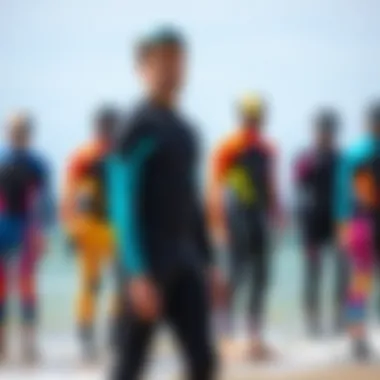

Cleaning Techniques
Proper cleaning techniques are crucial for maintaining the integrity of a wetsuit. After a long day on the water, it’s tempting to toss your suit in the corner and call it a day. However, this practice can lead to serious long-term damage. Here are some effective steps to follow:
- Rinse Immediately: After each session, rinse your wetsuit in fresh water. This helps remove salt, sand, and chlorine that could degrade the material or cause fading.
- Use Mild Soap: If a more thorough cleaning is needed, use a wetsuit-specific detergent or a mild soap. Harsh detergents will break down the neoprene and can lead to irreparable damage.
- Cold Water Only: Always use cold water for rinsing and washing. Hot water can ruin the suit’s flexibility and insulation properties.
- Avoid the Washing Machine: You might think that tossing your wetsuit in the washing machine will save time, but it can stretch the fabric or cause seams to split. Hand washing is the way to go.
- Drying Process: After cleaning, hang the wetsuit to dry in a shady spot, away from direct sunlight. UV rays can cause colors to fade and materials to deteriorate over time.
Storage Tips
How you store your wetsuit after cleaning plays a significant role in its longevity. Proper storage can prevent a cascade of issues that come with improper care. Here are some points to consider:
- Flat or Hanging Storage: If space allows, store your wetsuit flat. If you hang it, use wide hangers to avoid stretching the shoulders. Never use thin hangers that can create indentations.
- Avoid Folding: If storing for an extended period, avoid folding the suit in a way that creates creases. These creases can weaken the material over time.
- Store in a Cool Place: A storage area that’s too hot or humid can encourage mold and mildew growth. A cool, dry place is ideal.
- Organize Properly: Ensure that other items don’t crush your wetsuit when stored. Proper organization can prevent unnecessary wear and tear.
- Use a Wetbag for Travel: If you’re heading out for a trip, consider a dedicated wetsuit bag. They’re designed to keep your suit protected and prevent contact with harsh elements during transport.
Choosing the Right Wetsuit
Selecting the right wetsuit is more than just picking a pretty color; it can have a significant impact on performance and comfort while kiteboarding. Given the demanding nature of the sport, where conditions can swing from calm to chaotic in a heartbeat, having a suit that fits well and serves its purpose is imperative. A well-chosen wetsuit enables greater freedom of movement, proper thermal protection, and, of course, ensures a confident and stylish appearance on the water.
Fit and Comfort
When it comes to fit, the wetsuit should feel snug yet not constricting. A good rule of thumb is that if you can move without feeling restricted, you've likely found a solid match. The fit should allow for a comfortable range of motion, especially in the shoulders and arms, where most of your paddling and kite handling happens.
- Shoulder flexibility: Look for seams that are designed to reduce chafing, like flatlock seams, which can offer better comfort.
- Leg length matters: The pant legs should ideally sit right above the ankle without excess material bunching up, which can hinder movement.
- Draft attention: A proper fitting wetsuit will minimize water entry, keeping you warmer as you ride. If you find yourself constantly adjusting your suit because of water flushing in, it’s time to reconsider your choice.
Also, make sure to consider the thickness of the neoprene. Thinner versions offer more flexibility and are best suited for warm waters, while thicker options are necessary for colder environments. Each thickness comes with its offer of comfort.
Environmental Considerations
In recent years, there's been a growing conversation about the sustainability of materials used in the production of wetsuits. Many kiteboarders are becoming more conscious about the environmental impact of their gear, sparking a trend towards eco-friendly wetsuits made from natural or recycled materials. This focus not only helps in protecting the marine ecosystem we love but can also promote a brand image that resonates well with environmentally-minded athletes.
- Material sources: Some brands have started using limestone-derived neoprene instead of petroleum-based materials, which reduces the carbon footprint during production.
- Recycling programs: Purchasing wetsuits from companies that offer recycling initiatives can lighten the load on landfills with discarded gear.
- Longevity: Selecting durable materials ensures that your wetsuit can withstand the wear and tear of kiteboarding over time. By investing in quality, you can reduce the frequency of replacements, which is better for both your wallet and the environment.
Choosing the right wetsuit combines personal preference, comfort, and awareness of environmental impact. In a sport that connects individuals with nature as intimately as kiteboarding does, it’s vital to choose options that reflect those values, ensuring everyone can enjoy the waves today and protect them for tomorrow.
The wetsuit is not just gear; it’s an extension of who you are as a kiteboarder. Its fit and material composition tells a story about your commitment to performance and the planet.
Ending: The Future of Wetsuit Design
As we navigate the waters of modern water sports, it's clear that the evolution of wetsuit design is only just beginning. This conclusion serves as a reflection on how these essential pieces of equipment are advancing in both form and function, particularly within the realm of kiteboarding. The significance of colorful wetsuits transcends aesthetics; they represent a blend of safety, individuality, and cutting-edge technology in a sport where performance can hinge on even the smallest details.
Sustainability Trends
In recent years, sustainability has taken center stage in various industries, and kiteboarding is no exception. Wetsuit manufacturers are increasingly embracing eco-friendly practices to cater to a conscious consumer base. Rather than solely focusing on vibrant colors and flashy designs, brands are now making strides in their environmental impact. This involves:
- Utilizing recycled materials in the construction of wetsuits, which not only lessens waste but also reduces reliance on new resources.
- Developing biodegradable neoprene alternatives that are just as effective as traditional materials but with a significantly reduced environmental footprint.
- Prioritizing ethical production practices, ensuring that labor conditions are fair and sustainable.
These sustainability trends resonate deeply with kiteboarders, who often have a profound connection to the ocean. Wearing a wetsuit that is kind to the environment enhances the surfing experience, fostering a sense of responsibility toward the precious waters they navigate.
Innovations on the Horizon
Looking ahead, it's worthwhile to consider what innovations might shape the future of wetsuit design. Among the most promising advancements are:
- Smart wetsuits equipped with sensors that monitor body temperature, hydration levels, and even heart rate. Imagine a suit that communicates with a smartphone app to provide real-time data, enhancing safety and performance.
- Adaptive color-changing technology that alters the wetsuit’s hue in response to water temperature or light conditions, promoting safety through visibility while offering personal flair.
- Increased focus on streamlined fits which minimize drag while maximizing flexibility, integrating advanced materials that enhance mobility without sacrificing warmth.
"Innovation in wetsuit design is like the tide: it constantly flows and reshapes the experience of kiteboarding."
As kiteboarding continues to expand globally, ensuring that the designs of colorful wetsuits remain on the cutting edge is essential. Each of these innovations not only aims to improve the user's experience on the water but also aligns with a growing commitment to sustainability and technological progress. Ultimately, the future of wetsuit design seems bright, blending safety with self-expression and performance with environmental responsibility, ensuring that kiteboarders are not only stylish but also mindful of the world they ride on.