Exploring the Thrill of E-Foiling: A New Wave in Water Sports


Intro
The world of water sports has expanded in recent years, blending technology with physical prowess and creating exciting new experiences. E-foiling is one of those innovations that has taken the adventure sports community by storm. By leveraging electronic propulsion, e-foiling allows riders to skim above the water's surface on a hydrofoil, feeling like they're flying across the waves. The dynamic nature of this sport appeals to many, including seasoned kiteboarders and newcomers alike.
E-foiling isn't just about the thrill of gliding over the waves; it involves a deep understanding of specific equipment, techniques, and safety measures. The revolution of e-foiling comes with its own set of challenges and rewards. As we dive into the dynamics of this thrilling water sport, the subsequent sections will provide insights into the essential gear, operational mechanics, and more.
Equipment Insights
Latest Gear Reviews
When it comes to e-foiling, having the right gear is like having the best tools for any craft. The market offers a range of e-foils, each with unique features that cater to different skill levels. Brands like Lift Foils, Waydoo, and Fliteboard are among the top competitors, showcasing products that balance performance with user-friendliness.
For instance, Lift Foils offers the Lift eFoil with a sleek design, providing excellent lift and stability. Riders have noted how simple it is to learn thanks to its intuitive control system. On the flip side, Waydoo's Flyer is a more budget-friendly option that doesn't compromise on performance. It can reach impressive speeds and offers various board sizes, making it adaptable to different rider weights.
Check out the most recent reviews on these sites:
Essential Gear Maintenance
Owning an e-foil is just the beginning; taking care of it is crucial for longevity and optimal performance. Here’s a list of tips for gear maintenance:
- After Use: Rinse your e-foil with fresh water to remove any salt or debris. This keeps components from corroding.
- Battery Care: Store the battery at about 50% charge for long periods and avoid letting it drop too low. Regular checks can help maintain its lifespan.
- Foil Inspection: Regularly inspect the hydrofoil for dings or damage. Addressing minor issues quickly can prevent more significant repairs.
"Investing time in maintaining your e-foil can save you money and extend your riding adventures."
Technique Exploration
Beginner Techniques
For those stepping onto an e-foil for the first time, a few foundational techniques can help ease the learning curve. Start with:
- Body Positioning: Keep your weight centered over the board. Lean slightly forward, but not too much, to prevent nosediving.
- Stance: Use a shoulder-width stance with knees slightly bent to maintain balance.
- Throttle Control: Learn to control your speed gradually. Start slow and build confidence before attempting high speeds.
Advanced Maneuvers
Once you’re comfortable, you can begin to explore more advanced techniques that make e-foiling truly thrilling. These include:
- Carving: Shift your weight from side to side to carve turns. Remember to go with the flow of the foil.
- Jumping: Confidence in the air is key. Start with small bumps and gradually aim for higher jumps as you hone your skills.
- Tricks: As you progress, consider learning tricks like 360s or spins to impress fellow enthusiasts.
E-foiling embodies a blend of physical skill and technical know-how. Understanding the equipment, mastering the techniques, and observing safety practices will lead to exhilarating experiences on the water. As you continue your journey, keep in mind how e-foiling interacts with existing water sports practices, encouraging camaraderie among fellow riders.
Understanding E-Foiling
E-foiling is quickly making its mark in the world of water sports, presenting a remarkable blend of exciting technology and dynamic recreation. This section aims to shed light on what e-foiling truly represents, and why understanding it is essential for anyone venturing into this captivating sport. As enthusiasts and professionals continue to explore this riding experience, knowing the fundamental concepts—defining its essence and operational mechanics—makes for a more enriching and enjoyable adventure on the water.
Definition of E-Foiling
E-foiling is, at its core, a water sport that integrates a hydrofoil with an electric propulsion system. Imagine gliding over the water, elevated by a wing-like structure beneath the surface, all powered by a silent electric motor. This combination not only offers a unique sensation of freedom but also significantly reduces drag compared to traditional surfing or kiteboarding. In layman’s terms, e-foiling allows riders to soar above the waves with remarkable ease and minimal environmental impact. By understanding this definition, enthusiasts can appreciate the blend of technology and tradition, paving the way for a broader acceptance of innovative water sports.
How E-Foiling Works
The mechanics of e-foiling may seem complex, but they function in a quite straightforward manner. An e-foil comprises a waterproof electric motor that drives a propeller, typically located under the board, attached to a hydrofoil system. Here's a step-by-step breakdown:
- Power Source: The electric motor draws energy from a battery housed within the board itself. This setup can vary slightly between manufacturers, but a reliable battery setup is crucial for optimal performance.
- Propulsion: When the motor engages, the propeller spins, generating thrust. This thrust propels the board forward, and as the speed increases, the hydrofoil begins to lift from the water.
- Hydrofoil Lift: Once sufficient speed is reached, the hydrofoil—an elongated wing—creates lift, causing the board to rise above the surface of the water. Riders experience an exhilarating sensation as they float above the waves, enhancing control and reducing drag.
- Control Mechanics: Riders balance and steer by shifting their weight. Subtle changes in body position allow for direction adjustments, adding a unique layer of skill and finesse akin to surfing or kiteboarding.
Understanding how e-foiling operates provides a framework for riders to engage with this sport meaningfully. Consciously grasping these dynamics fosters better skill development and ultimately enriches the overall experience.
"E-foiling isn’t just riding a board; it’s a dance with the water—a balance of power, control, and nature that redefines how we experience the sea."
As e-foiling gains traction, grasping these foundational concepts will not only enhance one’s enjoyment but also contribute to a greater appreciation of this innovative fusion of sport and technology.
Core Components of an E-Foil
The core components of an e-foil play a crucial role in determining its performance, usability, and overall experience for riders. Understanding these elements is essential for anyone looking to get into this exciting water sport. Each part contributes uniquely to how the e-foil operates and interacts with the water, directly influencing speed, stability, and maneuverability. In this section, we’ll break down these individual components by exploring their roles, advantages, and what to consider when selecting an e-foil.
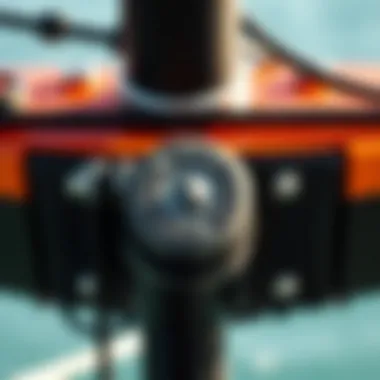
The Board
The board is the very foundation of an e-foil, akin to the ship's hull for a sailor. It's typically made from lightweight materials like carbon fiber or fiberglass, which ensure both durability and buoyancy. A well-designed board will provide stability on the water while allowing for smooth transitions during maneuvers.
When shopping for an e-foil, the size and shape of the board are critical. A longer board generally offers more stability, making it easier for beginners to find their feet, whereas a shorter board may be more agile, suiting experienced riders who want quicker turns. Factors like foot strap placement can also affect performance, enhancing grip and control while riding.
Foil Structure
The foil structure is where the magic happens, as this component lifts the board above the water as the rider accelerates. Typically made of a mast and wings, the foil's design can significantly influence how the board feels while riding. A well-designed foil provides lift with minimal drag, allowing the rider to glide effortlessly over the water.
Different configurations exist—some folks gravitate towards larger wings for slower speeds, while others choose smaller wings for a snappier feel. It's important to match the foil structure to one’s skill level; inexperienced riders might benefit from a stable, larger wing to maintain buoyancy while learning the ropes. Understanding these nuances can elevate one's e-foiling experience dramatically.
Electric Motor
At the heart of every e-foil is its electric motor, acting as the powerhouse that drives the ride. These motors are designed to be quiet and efficient, providing a responsive ride while minimizing disturbance to the surrounding environment. Riders typically have the choice between different wattages; higher wattage motors deliver more speed and power, while lower wattage motors are often sufficient for casual riders.
Choosing the right motor is a balance of desired speed and battery life. A more powerful motor will drain the battery quicker, so striking a balance between performance and endurance is key. Understanding motor characteristics will help in selecting an e-foil that aligns with both recreational goals and environmental responsibilities.
Battery Systems
The battery systems are the lifeblood of e-foiling, essentially determining how long a rider can enjoy their time on the water. Most e-foils utilize lithium-ion batteries, prized for their energy density and reduced weight. Battery capacity can vary widely based on the model, affecting both performance and run time.
Proper maintenance and charging protocols are vital for battery longevity. Even though these batteries are designed for a regular beating on the water, ensuring they are kept at optimal temperature and not overcharged will enhance their lifespan. Riders should also be aware of the environmental impact of battery disposal and consider options for recycling or repurposing spent batteries to lessen their ecological footprint.
"Understanding your e-foil is like knowing the ins and outs of a good recipe; each element is necessary to create the perfect ride."
For further reading, you can explore more about the construction of e-foils and related technologies on Wikipedia or dive into community discussions on Reddit.
Advantages of E-Foiling
The allure of e-foiling has captured the interest of many, not just for its technical marvel but for the distinct advantages it offers over traditional water sports. Expanding on this innovative way to fuse technology with adventure reveals numerous benefits that stand to reshape how enthusiasts interact with water. E-foiling is not just a recreation; it's a bridge to new experiences, opening avenues for accessibility, environmental considerations, and creative expression.
Accessibility for Beginners
E-foiling has opened the floodgates for newcomers looking to break into the water sports scene. For many, the prospect of riding a hydrofoil can be daunting. Traditional foiling requires a high skill level and a certain fearlessness to manage the nuances of balance and control. Yet, with e-foiling, the learning curve flattens significantly. The powerful electric propulsion allows beginners to feel the sensation of gliding above water within their first few attempts, making it an enticing option for novices.
- Assisted Learning Process: Beginners can start on a gentle setting and gradually increase the power as they gain confidence.
- Reduced Physical Demands: Unlike regular surfing or kiteboarding, e-foiling demands less strenuous paddling or battling against waves. This accessibility boosts enthusiasm, particularly among those who might feel intimidated by the fast-paced nature of other water sports.
An example of this transformation can be seen in local clubs where kiteboarding used to be the norm. New participants are continually amazed by how quickly they can find their footing — or in this case, their foil — and enjoy the blissful sensation of flying over water.
Environmental Benefits
As the world becomes more eco-conscious, e-foiling offers a green alternative for water sports lovers. While conventional boating can produce harmful emissions and disturb marine ecosystems, e-foiling prides itself on a cleaner profile. Powered purely by electricity, it creates minimal noise pollution and leaves a significantly smaller carbon footprint.
- Clean Energy Use: Most e-foil boards use rechargeable batteries, and enthusiasts are increasingly choosing to pair these boards with solar charging stations, maximizing sustainability.
- Less Disruption to Wildlife: The quiet operation of electric motors means that marine life experiences less disturbance, allowing ecosystems to flourish unharmed.
This consideration for nature appeals to a new generation of athletes who want their hobbies to reflect a commitment to the environment. Riding with an eco-friendly mindset elevates the experience, connecting riders not just to the water beneath them but to the planet as a whole.
Creativity in Riding Styles
E-foiling also serves as a blank canvas for creativity. With the electric motor allowing for unique maneuvers and more freedom on the water, riders can experiment with various styles without the pull of exhausting physicality. The possibilities are as vast as imagination itself.
- Freestyle Maneuvers: Riders can develop tricks that may have been too demanding in traditional kiteboarding or surfing, such as advanced flips and spins. The electric foil allows for prolonged air time, enabling a playground of acrobatics.
- Fusion of Styles: Enthusiasts have started blending e-foiling with other sports like paddleboarding or even surfing, creating hybrid experiences that cater to personal tastes.
In essence, e-foiling is not confined to a single narrative. It encourages riders to play, explore, and push the boundaries of what can be achieved on water.
"The true beauty of e-foiling isn’t just in the ride; it’s how it unlocks new possibilities that resonate with every unique rider."
The advantages of e-foiling extend beyond mere enjoyment. It reshapes the engagement with water sports, making them more inclusive, environmentally considerate, and creatively liberating. As the scene continues to evolve, rider experiences and innovations will only fuel this exciting trend. And for kiteboarders, the integration of e-foiling appears to blend seamlessly into their skill set and passion.
Limitations and Challenges
As with any emerging sport, e-foiling comes with its own set of challenges and limitations. While the thrill of gliding above the water on a nearly silent board offers an enticing allure, a deeper understanding of these hurdles is essential for both newcomers and seasoned riders. From economic considerations to the personal skills needed, addressing the limitations of e-foiling not only enhances safety but also fosters a more informed community of enthusiasts.
Cost Considerations
The financial aspect of jumping into e-foiling can often be a roadblock. High-quality e-foils, which include the board, the foil, electric motor, and battery systems, typically come with a hefty price tag. The initial investment can stretch from several thousand to upwards of ten thousand dollars, depending on brand and specifications.
This isn't just about the gear itself; there's also maintenance, which can be quite an undertaking depending on how hard you ride and the environments you frequent.
- Initial Investment: E-foils require precise engineering and craftsmanship, reflecting in the cost.
- Ongoing Maintenance: Regular checks on the battery, motor, and structural components to ensure safety and performance can add up.
- Safety Equipment: Protective gear such as helmets, flotation devices, and wetsuits should also be budgeted for, enhancing overall gameplay safety but further increasing costs.
In this economically sensitive world, riders often have to contemplate whether the thrill of e-foiling justifies the dent in their wallets. Careful budgeting and consideration of financing options can assist individuals looking to partake in this thrilling experience.
Skill Development Curve
Transitioning into e-foiling also involves a particular learning curve. Although it may seem simpler than traditional kiteboarding or surfing with the added electric propulsion, acquiring balance, control, and proper technique requires practice and patience. Here are some elements of the skill development curve:


- Balancing Act: Finding that sweet spot is no small feat. Beginners may face frustration initially as they learn to distribute their weight properly.
- Speed Control: Understanding throttle control becomes instinctual over time but might pose a challenge at first. Too much power can result in wipeouts, while too little doesn't give the adrenaline rush many seek.
- Environmental Awareness: Those familiar with kiteboarding already understand the importance of being aware of one’s surroundings, but e-foiling takes this to another level. Riders must navigate water traffic, weather changes, and various water conditions.
This curve may discourage some, but like anything worth pursuing, dedication pays off. Many find that their skills develop quicker than anticipated, making the experience rewarding despite initial difficulties.
"E-foiling is not just a hobby; it's a journey of self-discovery that can push boundaries and break limits."
Safety Measures in E-Foiling
E-foiling, while an exhilarating activity, does come with its own set of safety requirements that cannot be overlooked. Understanding and implementing effective safety measures are paramount, considering the unique dynamics of gliding above water powered by electric propulsion. Without proper precautions, enthusiasts may put themselves at undue risk. Essentially, it is not just about the adrenaline rush, but also about having a safe and enjoyable experience on the water.
Essential Protective Gear
When it comes to safety in e-foiling, protective gear forms the first line of defense. Investing in quality equipment is vital. Here’s a shortlist of what every e-foiler should consider:
- Helmet: A well-fitted helmet can protect your head from unexpected falls. Look for ones designed for water sports, which tend to be lightweight yet sturdy.
- Impact Vest: Unlike standard life jackets, an impact vest is streamlined and provides both buoyancy and protection against falls, especially when starting out. Finding the right size ensures it stays put while you ride.
- Wetsuit: Not only does a wetsuit keep you warm during those brisk rides, but it also doubles as protection from scrapes and cuts.
- Personal Flotation Device (PFD): While the impact vest offers buoyancy, a vest designed exclusively for flotation serves as a backup safety measure, particularly if conditions turn rough.
- Safety Leash: A leach serves to keep the e-foil close in case of a fall, preventing it from drifting away and providing reassurance during your ride.
Wearing the right gear can make all the difference in ensuring a safe outing. Each piece of equipment plays its part, and together they create a protective environment that allows the rider to focus on the thrill without constantly worrying about potential accidents.
Identifying Safe Locations
Choosing the right location is just as critical as wearing proper gear. Not all bodies of water are suitable for e-foiling, and navigating to a safe spot can minimize risks substantially. Here are essential considerations:
- Check Local Regulations: Waterway rules vary by region. Some areas may impose restrictions on electric devices or where they can be used, particularly if it’s a shared space with swimmers.
- Wind and Wave Conditions: Ideal conditions for e-foiling are predominantly calm waters with minimal wind. High waves or strong currents can turn a fun outing into a struggle.
- Avoid Crowded Areas: Steering clear of crowded beaches or marinas not only ensures safety for yourself but also for other water users. Look for secluded or designated areas to avoid collisions.
- Visiting Established E-Foiling Spots: Many local communities now have popular e-foiling areas. Finding out where these are through forums or groups can lead to safer experiences and shared local knowledge.
- Assessing Visibility: A clear line of sight is important for both you and others around. Checking for boats, people, or wildlife can significantly lessen potential hazards.
Utilizing a blend of good judgment and available resources can help e-foilers identify safe locations to ride. When all safety measures are in place—from gear to chosen spots—riding e-foils can become a signature thrill, blending safety with enjoyment.
"Safety is not just a slogan; it's a culture—one that e-foilers are well advised to embody."
For more information on safety measures in water sports, you can refer to sources such as CDC.gov and AdventureSmart.ca for guidelines on safe practices.
Comparing E-Foiling with Traditional Foiling
Understanding the nuances between e-foiling and traditional foiling is essential for anyone looking to immerse themselves in these exhilarating water sports. The landscape of aquatic activities is changing, and recognizing how these two methods compare can illuminate the benefits and drawbacks of each. While both styles offer a ride above the surface, the mechanics, experience, and accessibility differ significantly.
Performance Metrics
When it comes to performance, e-foiling and traditional foiling present distinct characteristics. E-foils come equipped with an electric motor that allows riders to glide effortlessly over the water, often achieving faster speeds than traditional foils. A standard e-foil may reach speeds up to 25 mph, driven by a battery that can last anywhere from 40 to 120 minutes depending on the model, rider weight, and water conditions.
On the flip side, traditional foiling relies solely on wind power. This demands a complex skill set to harness the wind effectively. Riders must understand how to read the conditions and adjust their foil angles. While experienced foilers can rocket across the water at impressive speeds, inconsistency in wind can be a limiting factor.
Moreover, the maneuverability also differs. E-foils can sustain quicker turns and are less impacted by changing wind conditions. Traditional foil riders may find themselves subject to the whims of Mother Nature, often waiting for that perfect gust to propel them.
User Experience
The user experience in both e-foiling and traditional foiling can vary greatly in engagement and learning curve. For those new to water sports, e-foiling can be an easier entry point. The electronic assistance simplifies the initial learning process. One doesn’t need to master wind dynamics right away; instead, riders can focus on balance and steering. This accessibility makes e-foiling appealing to a broader audience, including those who may have reservations about traditional kiteboarding.
In contrast, traditional foilers often describe their experience as more intimate with nature. The reliance on wind harnesses an element of artistry and finesse. Each ride becomes a dialogue with the environment, requiring acute awareness and adaptability. However, for beginners, this can be quite demanding as it requires a solid understanding of both technique and conditions.
"E-foiling can be like stepping into a futuristic ride, while traditional foiling is about dancing with the elements."
For those eager to explore further into the world of e-foiling vs traditional foiling, consider resources like Wikipedia or Britannica for foundational information.
The Future of E-Foiling Technology
As we venture further into the 21st century, e-foiling stands at a precipice of transformation, promising exciting advancements that can reshape the water sports landscape. This section delves into the brewing innovations that promise to enhance performance and accessibility while examining how these developments interact with the broader spectrum of water sports.
Innovations on the Horizon
There’s a buzz in the air as manufacturers and enthusiasts alike look to the future of e-foiling technology. A few standout innovations are on the horizon that could significantly change how this sport is experienced.
- Improved Battery Life: Battery technology’s evolution plays a pivotal role. New lithium-sulfur batteries are being developed, which could provide longer ride times and faster charges. This result would cater to thrill-seekers who crave extended sessions on the water without interruption.
- Smart Technology Integration: Imagine riding an e-foil equipped with smart sensors. These systems would monitor everything from speed to battery health, relaying live data to your smartphone. This can not only improve user experience but also offer valuable insights for performance enhancement.
- Lightweight Materials: The constant push for lighter, more robust materials will likely yield boards made from advanced composites that enhance buoyancy and agility. Riders will be able to execute more daring tricks while also feeling stable and secure.
- User-Friendly Controls: Control systems are also likely to see a shift toward being more intuitive, adapting features found in drones or remote-controlled vehicles. Simplified interfaces could enable even beginners to grasp complex maneuvers quickly.
It’s essential to recognize that with these innovations comes the responsibility of maintaining safety and environmental care. As e-foiling grows, striking a balance between advancement and the preservation of our waterways must remain a priority.
Integration with Other Water Sports
E-foiling isn’t an isolated phenomenon; it is poised to weave itself seamlessly into the fabric of various water sports. The synergy created through this integration paves the way for rich experiences and multi-sport events. Here are some elements to consider:
- Kiteboarding and E-Foiling: Many enthusiasts are intertwining e-foiling with kiteboarding. For kiteboarders, e-foils can offer a supplementary experience for those windy days when conditions aren’t favorable for traditional kites. Riders can switch from their kite to an e-foil with ease, keeping the thrill alive regardless of wind conditions.
- Wakesurfing and E-Foiling: E-foiling can also complement wakesurfing. Imagine an e-foil that allows a surfer to catch a wave behind a boat without the need for constant boat control, creating a unique and versatile experience on the water.
"The evolution of e-foiling is not just about speed and velocity but the recreation of the whole water sports experience, bringing communities together in unprecedented ways."
- Fitness and Cross-Training: For athletes in rowing, surfing, or any other water sport, e-foiling provides a new avenue for cross-training without the impact. It builds core strength and balance, essential for enhancing skills across the board.
The potential for collaboration among water sports could ignite a new wave of events and competitions, while promoting a culture of inclusivity and shared excitement.
As the future of e-foiling unfolds, enthusiasts must remain vigilant, adapting to new techniques while respecting the age-old traditions that come with water sports. The technological push, coupled with integration across various disciplines, paints a promising picture for those riding the waves of innovation.
Cultural Impact of E-Foiling
The rise of e-foiling has not only brought a fresh thrill to water sports but has also planted its roots deep within various cultural contexts. The influence of e-foiling on communities, media, and global recreational trends is both profound and complex. It’s not just about riding above the waves; it's about fostering new connections, pushing boundaries, and redefining what it means to enjoy water-based activities.
E-Foiling in Popular Media
The infusion of e-foiling into popular media has been nothing short of captivating. Films and social media platforms have seized upon this modern sport, showcasing breathtaking visuals of riders gliding effortlessly over water. For instance, platforms like Instagram and TikTok have become vibrant zones where e-foilers share stunning videos, drawing in curious viewers and potential participants. E-foiling's portrayal in media does not merely serve to entertain; it actively influences public perception.
- Documentaries and Series: Several documentaries have spotlighted e-foiling, analyzing its technology, the joy it brings to participants, and its environmental considerations. These productions often highlight the accessible nature of the sport, drawing in a burgeoning audience eager to experience it themselves.
- Influencer Participation: Influencers in the water sports arena have taken e-foiling to the next level. By featuring their e-foiling adventures, they create an aspirational landscape that invites viewers to connect with the sport, encouraging more widespread participation.
Additionally, as e-foiling becomes more integrated into media narratives, it raises discussions about sustainability and innovation. Many content creators focus on eco-friendly practices in the sport, tying the excitement of e-foiling to the imperative of preserving our waterways.
Community Building Among E-Foilers
The rise of e-foiling has also nurtured a sense of community. As enthusiasts connect online and offline, they share experiences, tips, and encouragement. Several forums and social media groups dedicated to e-foiling exist, creating spaces for dialogue and support. These communities not only facilitate learning opportunities but also foster friendships.
- Online Resources: Websites like Reddit or specialized forums enable users to ask questions, post experiences, and get advice, bringing together novices and seasoned e-foilers alike. These platforms can be treasure troves of information for anyone looking to dive into e-foiling.
- Local Meetups and Events: Many cities have started hosting e-foiling meetups that allow enthusiasts to come together, exchange knowledge, and enjoy the sport collectively. These gatherings often result in shared experiences, strengthening bonds among participants and helping to establish a vibrant local culture around e-foiling.
- Shared Enthusiasm: Newcomers often find comfort in knowing they're not alone on their journey. As more people take on e-foiling, the mentorship that occurs between experienced riders and beginners is invaluable. This nurtures growth in skills and a shared passion that transcends geographical boundaries.
The cultural implications of e-foiling extend beyond mere leisure. It embodies a unique blend of technology, nature, and community spirit that resonates with many and invites others to explore the interaction between humans and their environment. E-foiling has positioned itself not just as a sport but as a movement that champions inclusivity, creativity, and environmental awareness.
"E-foiling is not just about riding high above the water; it's about the connections we build and the communities we create through our shared passion."
The future of e-foiling, enriched by its cultural impact, will likely continue evolving in exciting ways, further intertwining technology and community-driven experiences.
E-Foiling and Its Place in Kiteboarding
E-foiling is grabbing attention from water sports enthusiasts, prompting discussions on how it interplays with kiteboarding. This modern sport integrates aspects of kiteboarding while bringing its unique flair to the table. The convergence of these two activities is not just a trend; it represents a shift in how water sports can enhance each other for better experiences.
One of the most striking features of e-foiling is its ability to complement traditional kiteboarding. Kiteboarders will find that e-foiling introduces a new dimension to their skill set and riding style. The essence of kiteboarding lies in the combination of wind and board skills, while e-foiling adds the thrill of gliding above water through electric propulsion. This unique combination means that enthusiasts can engage in e-foiling even when the wind conditions are less favorable, offering more opportunities to enjoy water sports regardless of weather.
Complementing Traditional Kiteboarding
E-foiling provides another angle for kiteboarders to enjoy their passion. Kiteboarding requires strong winds, and while experienced riders can maneuver in variable conditions, not everyone can do so comfortably. E-foiling allows riders to harness electric propulsion, which can be particularly liberating. Here’s how:
- Extended Ride Time: Instead of waiting for the perfect wind, e-foilers can head out any time. This way, they can practice and refine their skills without frustration.
- Versatility in Locations: With a board that lifts off the water, riders can explore areas that are less suitable for traditional kiteboarding due to inadequate wind.
- Learning Opportunities: E-foiling offers a less intimidating learning curve for those new to water sports. For kiteboarders, it can act as a transitional phase as they develop their balance and board skills away from the traditional kite setup.
E-foilers and kiteboarders can share techniques that are beneficial in both disciplines. The ability to control speed and carving through water remains largely the same, whether on a kiteboard or an e-foil. Riders can easily shift their skillset to accommodate the different mechanics involved, ultimately creating a richer learning environment.
Skill Transfers from Kiteboarding to E-Foiling
The crossover between kiteboarding and e-foiling is significant as both require similar foundational skills. For those who kiteboard, the transition to e-foiling becomes relatively straightforward when focusing on key attributes:
- Balance and Control: Mastery of balance is crucial for both sports. Kiteboarders who have honed their ability to stabilize themselves in various conditions are likely to find e-foiling comes naturally.
- Body Positioning: Techniques like maintaining a low center of gravity, leaning into turns, and shifting weight are essential in kiteboarding and directly translate to how one rides an e-foil.
- Understanding of Wind Dynamics: Although e-foiling uses electric propulsion, understanding how wind affects water is invaluable. Kiteboarders can leverage their knowledge of wind patterns to adjust to the ride's feel even when they are not using a kite.
Many seasoned kiteboarders have reported a notable enhancement in their skills once they introduced e-foiling to their routine. Not only does it provide an alternative outlet for their physical skills, but it also fosters a greater appreciation for both the electric and non-electric aspects of water sports.
"E-foiling is like picking up kiteboarding after a long break; It's familiar yet refreshingly new."
In summary, the interplay between e-foiling and traditional kiteboarding brings together diverse experiences, enhancing what each sport offers. The enhanced accessibility and skill transfers between these two activities are paving the way for a more integrated and engaging water sports community. As the industry develops, one can only expect this fascinating intersection to grow even stronger.
End
In this article, we delved into various aspects of e-foiling, a sport that fascinates both seasoned enthusiasts and newcomers alike. Understanding the key components of e-foiling, along with its operational mechanics, has shed light on the reasons behind its rising popularity. It is not merely about the thrill of gliding above water but also encompasses a broader appeal due to its accessibility and innovation.
Recap of Key Points
- Definition and Mechanics: E-foiling combines traditional foiling skill with electric propulsion to create a unique riding experience. The magic happens when the hydrofoil lifts the board off the water, reducing drag and allowing for smoother, faster rides.
- Core Components: A successful e-foil setup consists of a sturdy board, a well-structured foil, a reliable electric motor, and efficient battery systems, all harmoniously working together.
- Advantages: E-foiling stands out due to its accessibility for beginners, along with environmental benefits from its electric nature. Its potential for creative riding styles further highlights its allure, catering to a diverse range of riders.
- Limitations: However, it’s worth noting the cost involved and the learning curve associated with mastering e-foiling, which can pose challenges for some.
- Safety Measures: Ensuring safety through protective gear and identifying suitable locations are paramount for a fulfilling experience.
- Future Outlook: E-foiling is poised for exciting innovations and better integration with other water sports, indicating a bright horizon for the sport's evolution.
Looking Ahead to E-Foiling's Evolution
The future of e-foiling appears promising. As technology continues to advance, we can expect lighter materials, improved battery efficiencies, and even more intuitive designs that will make the experience not only easier but also more thrilling.
Additionally, the integration of smart technology into e-foiling could revolutionize how riders interact with their boards, offering real-time data on speed, battery life, and more. We could see devices connected to mobile apps, providing information that helps improve the riding experience.
With an increased focus on eco-friendly sports, e-foiling’s electric propulsion aligns perfectly with the trend toward sustainable outdoor activities. As awareness grows, so too will community events and participation, fostering a stronger network among riders globally.
In the coming years, experts predict that e-foiling will not just become a niche activity; it will carve out a significant space in the wider landscape of water sports, building bridges between enthusiasts of kiteboarding, surfing, and other aquatic hobbies. As more people take to the water, the joy of e-foiling will no doubt continue to flourish.
"E-foiling is more than a sport; it's about the freedom of gliding over the waves, finding balance in the chaos, and being part of a vibrant community."
For more insights into e-foiling and related technologies, you may refer to resources like Wikipedia, Britannica, or Reddit.
In sum, e-foiling is not only a thrilling adventure but also a dynamic sport that showcases the intersection of technology and nature, weaving into the fabric of our sports culture in ways we are just starting to realize.