Kiteboarding at Floridana Beach: A Complete Guide
Intro
Floridana Beach is not just another sun-soaked stretch of sand; it’s a treasure trove for kiteboarding enthusiasts. Nestled along Florida's east coast, this hidden gem offers not only stunning landscapes but also ideal conditions for kiteboarding, making it a hotspot for both newcomers and seasoned riders alike. In this guide, we'll take a closer look at what makes Floridana Beach a unique destination for water sports, particularly kiteboarding. We'll dive into the specific gear you’ll need, effective techniques, as well as the local conditions you can expect.
The charm of Floridana Beach lies in its vibrant community and supportive atmosphere. Whether you're a budding kiteboarder or an expert flying high above the waves, there's a wealth of information and camaraderie to discover. From the moment you arrive, the gentle breeze and crashing waves beckon you to take part in this thrilling aquatic sport.
To help you navigate the local kiteboarding scene, this guide offers insights into essential equipment, technique exploration ranging from beginner to advanced skills, and safety tips to ensure you have a seamless and enjoyable experience.
Let's start off our journey by taking a closer look at the vital pieces of equipment that will elevate your kiteboarding sessions at this remarkable location.
Intro to Floridana Beach
Floridana Beach offers a unique blend of natural beauty and thrilling adventure, making it a must-visit for kiteboarding enthusiasts. The area’s pristine sandy shores, complemented by favorable wind conditions, sets the stage for an exhilarating experience on the water. Understanding this beach goes beyond merely knowing where it is located; it's about appreciating the local environment, culture, and history that shapes the kiteboarding scene.
Geographical Overview
Nestled along Florida's Atlantic coastline, Floridana Beach spans roughly a mile from the Indian River Lagoon to the ocean. This small stretch of paradise is a gem for outdoor lovers, particularly kiteboarders. With the warm waters of the Atlantic on one side and the tranquil lagoon on the other, Floridana Beach enjoys a unique positioning that catalyzes diverse wind patterns favorable for kiteboarding.
Kiteboarders often flock here due to the consistent trade winds. The Atlantic coastline means you can expect dependable breezes, typically blowing from the east. Additionally, the expansive beach provides ample space for kite launching and landing, minimizing the potential for accidents.
Local vegetation, with its mix of palm trees and coastal grasses, contributes to the area's charm while also subtly influencing wind conditions, making a direct impact on kiteboarding agility. Navigating around the native flora and fauna while riding the waves adds a layer of challenge and enhances the experience.
Historical Context
Floridana Beach carries more than just its breezy allure; it holds deep historical roots that have shaped its development and relationship with water sports. Originally inhabited by Native American tribes, the beach later became a stop for sailors navigating the Indian River. Its history is interwoven with the story of Florida's growth as a tourist destination during the 20th century.
In the mid-1900s, the area began to transform into a thriving beach community, drawing attention not only for its natural beauty but also for recreational activities, including surfing and sailing. Over time, as kiteboarding surged in popularity, Floridana Beach emerged as a premier spot due to its favorable conditions and community support.
As kiteboarding grows, the local history adds a sense of connection among riders, giving them a real appreciation for the sport's roots in this locale. This deep-seated history fosters a sense of community—an essential element for budding kiteboarders looking to enhance their skills. When you kiteboard here, you're not just riding the waves; you're also riding the waves of history.
Kiteboarding Conditions
Understanding the kiteboarding conditions at Floridana Beach is paramount for anyone looking to catch the wind and ride the waves. Kiteboarding is heavily reliant on natural elements, and being aware of local conditions can mean the difference between an exhilarating session and a frustrating one. Here, we’ll breakdown the key aspects you need to consider to truly optimize your kiteboarding experience.
Wind Patterns
Wind is arguably the most crucial factor in kiteboarding, dictating flight and maneuverability. Floridana Beach is known for its reliable winds, which typically come from the east-southeast. These winds are often strong enough to elevate a rider smoothly into the air. However, the exact conditions can vary from day to day.
To better understand wind patterns:
- Seasonal Variations: Winter months often include steadier winds, making them a favorite among kiteboarding enthusiasts. The summer can also provide lightweight breezes, which might be suitable for beginners.
- Time of Day: Wind speeds generally pick up in the afternoon, typically ranging from 12 to 25 knots. Hence, the ideal time to hit the water is usually between 1 PM and 5 PM when the wind is most favorable.
- Local Weather Stations: Keep an eye on local weather forecasts or apps like Windy or Meteo, which provide updated wind forecasts specifically for Floridana Beach.
"Kiteboarding without checking the wind is like sailing without a compass – it’s simply not smart!"
Tidal Influences
Tides can affect not just the kiteboarding conditions, but also the overall landscape of Floridana Beach. High and low tides influence the water's depth, current strength, and even wave size.
A few considerations when it comes to tides include:
- Best Times for Riding: Typically, kiteboarding is best an hour before to two hours after high tide. This window allows for optimal water conditions without heavy currents that are common during low tide.
- Geographic Impact: The shallow areas can be ideal for practice but ensure there are no sharp underwater obstacles that could damage your board or injure you.
- Understanding Current Direction: Familiarize yourself with how tides impact local currents. This awareness helps in selecting the best spots to launch and land your kite safely.
Wave Conditions
Floridana Beach offers a diverse range of wave conditions, perfect for varying skill levels. The waves can be different depending on the wind direction and strength, creating unique challenges and experiences.
Here’s what to keep in mind regarding waves:
- Small to Moderate Waves: On most days, beginners can enjoy gentle waves that offer enough challenge to improve without being overwhelming. These conditions allow new riders to practice their skills while still feeling safe.
- Choppy Waters: Higher winds can make the waves more choppy – perfect for experienced riders looking to practice jumps and tricks.
- North vs. South Beaches: Be aware that waves can differ from the north end to the south end of the beach. South Floridana often offers smoother rides, while the north provides more vigorous wave action.
Through understanding these kiteboarding conditions, you'll be able to prepare for a day at Floridana Beach with greater confidence and skill. Knowledge is power, and when it comes to kiteboarding, knowing how those winds and waves work can truly elevate your riding experience.
Kiteboarding Gear Recommendations


Choosing the right gear is crucial for any kiteboarding enthusiast, not simply as a means of expression but as a matter of safety and comfort. The proper kiteboard, harness and kite can make a world of difference in your riding experience. Each piece of equipment plays a role in ensuring that you're set up for success, whether you are hitting the waves for the first time or looking to master advanced tricks.
Essential Kiteboarding Equipment
When it comes to kiteboarding, having the right equipment can change the game. Here's an inventory of key items every kiteboarder should consider:
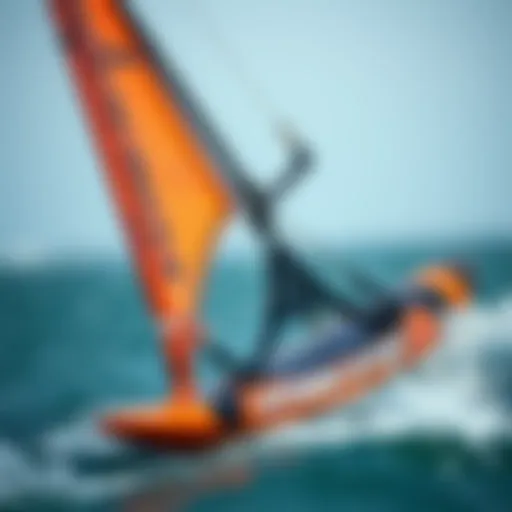
- Kite: This is the heart of your kiteboarding setup. The size of the kite depends on wind conditions and your weight. A smaller kite works well in stronger winds while a larger kite is better in lighter conditions.
- Board: Kiteboards come in various shapes and sizes, tailored for different riding styles. If you’re cruising, opt for a twin-tip board. Freestyle riders may want something stiffer and with greater pop. Remember, a proper board will make those transitions easier and help you land tricks smoothly.
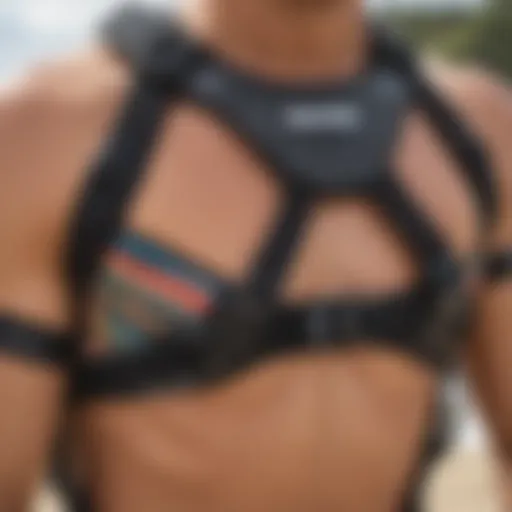
- Harness: Don’t overlook the importance of a well-fitted harness. It connects your body to the kite and helps distribute the pull evenly. Select between a seat harness or a waist harness based on your comfort preference. Each type serves a different purpose, so pick the one that aligns with your riding style.
- Control Bar: The control bar enables you to steer the kite. Choose one that feels comfortable in your hands and is compatible with your kite. Some bars offer safety features, such as a quick release, critical for emergency situations.
- Safety Gear: Helmets and impact vests can be lifesavers. They may not be mandatory, but they provide a degree of safety as you learn and progress. Protecting your head and body should always be a priority.
Having the right equipment forms the foundation for a pleasant kiteboarding experience. In case something goes amiss, each item also serves as a backup, reinforcing reliability on the water.
Local Gear Shops
Floridana Beach is not just about the scenic waves; it's also home to some local shops where you can gear up. These stores not only offer new equipment, but also feature second-hand options, making it easier for newcomers to find affordable solutions. Here are some local hotspots to consider:
- Kite & Surf Shop: Known for its knowledgeable staff, this shop offers a range of brands and can assist you in making informed purchase decisions based on your skill level and budget. Definitely worth a visit before heading to the water.
- Brevard Kiteboarding: This is another solid option that caters to both beginners and experienced riders. They provide demos and rentals too, giving you a nice taste of different gear before you commit to a purchase.
- Windward Watersports: A seasoned player in the local market. They not only sell equipment but also host community events, fostering interaction among kiteboarders at all levels. You might even meet someone willing to share some riding tips.
When looking for the right gear, visiting local stores allows you to connect with seasoned kiteboarders who can share firsthand knowledge. These spaces often become community hubs, where enthusiasts can gather to exchange tips and celebrate the culture surrounding kiteboarding.
Safety Considerations
Safety in kiteboarding, especially at Floridana Beach, cannot be brushed aside. For kiteboarders of any skill level, understanding safety measures is essential. Unlike leisurely beach activities, kiteboarding involves speed, wind, and water dynamics that can turn perilous if one is not prepared. Ensuring both personal safety and the safety of others is a priority that sustains the kiteboarding culture and encourages participation among newcomers.
Identifying Risk Factors
Kiteboarding presents various risks, and identifying these potential hazards is the first step toward mitigating them. Understanding the key risk factors can equip kiteboarders to make informed decisions while on the water. Some common risks include:
- Changing Weather: Rapid shifts in weather can lead to unpredictable wind conditions. Checking weather forecasts and observing changes in the sky are vital to avoid getting caught in a storm.
- Equipment Failure: Wear and tear can lead to malfunction during a session. Regularly inspecting lines, kites, harnesses, and boards helps catch early signs of damaged gear.
- Crowded Spots: Floridana Beach is known for its kiteboarding community. A crowded beach may lead to collisions or distractions. Being aware of your surroundings and minding other riders is essential.
- Inexperience: Newbies may struggle with basic skills, making accidents more likely. The importance of getting proper training and not exceeding one’s abilities cannot be overstated.
"Knowing what to look for can be the difference between a thrilling ride and a scary experience."
All in all, simple vigilance can go a long way. Riders should always wear their helmets and impact vests, maintain a distance from other watercraft, and communicate effectively with fellow kiteboarders.
Safety Equipment Checklists
Equipping oneself with the proper safety gear is like having an insurance policy on the water. Here's a checklist every kiteboarder should consider before heading out:
- Helmet: A well-fitted helmet protects against head injuries, particularly in the event of falls or collisions.
- Impact Vest: This buoyancy aid provides not only flotation but also shields the body during falls, reducing the chance of injury.
- Life Jacket: Recommended for less experienced riders or those pushing their limits beyond comfort.
- Emergency Whistle: A small yet crucial tool to signal for help if needed.
- First Aid Kit: Packing a basic kit with adhesive bandages, antiseptic wipes, and pain relief medication comes handy for minor cuts or injuries.
- Safety Leash: This is crucial for ensuring that the kite can be quickly released if it becomes dangerous, especially during a crash.
Local Communities and Resources
When it comes to kiteboarding, the local scene can be just as crucial as the conditions of the beach itself. Building connections with fellow kiteboarders not only enriches the experience but also provides essential resources and support for enthusiasts, whether they are just starting out or looking to hone advanced skills. Floridana Beach has a vibrant community that welcomes both newcomers and experienced riders, making it a great spot for collaboration, learning, and sharing a passion for the sport.
Kiteboarding Schools
Taking the plunge into kiteboarding can be daunting, especially for beginners who might feel overwhelmed by the myriad of equipment and techniques. This is where kiteboarding schools come into play. At Floridana Beach, several reputable schools provide structured lessons, from introductory courses for rookies to advanced training for seasoned riders looking to master their skills.
These schools typically feature experienced instructors well-acquainted with the local conditions. With their guidance, students can navigate challenges that might arise on the water, learn how to choose the right gear, and develop essential techniques that will make a difference in their kiteboarding journey. Furthermore, many schools also offer rental equipment, which is a blessing for those not ready to invest in gear right away.
A few notable kiteboarding schools in the area include:
- Kiteboarding Florida: Known for their comprehensive classes that cater to all skill levels.
- Epic Kiteboarding: Offers specialized clinics focusing on advanced maneuvers and safety techniques.
- Floridana Beach Kite School: A localized hub for personalized training and equipment rentals.
"Learning the ropes from experienced instructors can drastically reduce the learning curve and save a lot of frustration."
Online Forums and Groups
In today's digital age, the value of online communities cannot be understated, particularly in niche sports like kiteboarding. Engaging in online forums and social media groups allows kiteboarders at Floridana Beach to share experiences, ask for advice, and connect with one another.
Platforms such as Reddit feature dedicated subreddits like r/Kiteboarding where users exchange tips, share gear recommendations, and post about local events. Facebook also hosts groups specifically tailored to Floridana Beach kiteboarding enthusiasts, fostering a space where people can plan meet-ups or share insights about the latest conditions.
Some benefits to participating in these online communities include:
- Access to Local Knowledge: Crowdsourcing information from seasoned riders about conditions, equipment, and other recommendations.
- Event Planning: Keeping tabs on upcoming kiteboarding events, clinics, and competitions in the area.
- Supportive Network: Building connections with fellow enthusiasts who share the same passion and can offer encouragement or camaraderie when hitting the waves.
In summary, the local kiteboarding community in Floridana Beach, complemented by educational schools and active online resources, provides a supportive infrastructure for enthusiasts. Engaging with these networks not only enhances one’s skills but also cultivates friendships that can last a lifetime.
Best Practices for Beginners
Starting your journey in kiteboarding can be quite a leap, especially for those who may not have a background in water sports. Floridana Beach, with its stunning scenery and favorable wind conditions, is the perfect place to dip your toes in the water, so to speak. The best practices outlined here are designed to help beginners not only stay safe but also to enjoy the thrill that comes with harnessing the power of the wind.
First Steps in Kiteboarding
The initial steps in kiteboarding require a mix of patience and preparation. Before hitting the waves, you should familiarize yourself with basic equipment and safety protocols. Having the right kite can make all the difference in your learning experience. Here are a few things to consider:
- Choose the Right Kite: Beginners generally benefit from larger kites that generate more lift, for example, a 10-12 meter kite, which offers more stability in lighter winds. Before you decide, talk to local instructors or shop owners to find the best fit for your weight and skill level.
- Lesson Time: Consider enrolling in a class at one of the local kiteboarding schools. Hands-on instruction is invaluable. Not only will you learn proper techniques, but you’ll also get to practice with someone who can catch potential mistakes before they become habits.
- Practice in Safe Areas: Always start in designated kiteboarding zones where other water users won't interfere with your learning experience. Local knowledge about wind directions and water depth can be a game changer.
- Buddy Up: Kiteboarding is much safer and more fun with a partner. Training with a friend can enhance your learning curve and provide you with a built-in safety net in case things go awry.
One thing to bear in mind is that becoming proficient doesn’t happen overnight. Expect to spend time on the beach learning to fly the kite before you even think about attaching it to your board. This process can be a bit frustrating, but perseverance is key.
Understanding Weather Conditions
Having a strong grasp on weather conditions is crucial for kiteboarding. The wind is the lifeblood of kiteboarding, and understanding its patterns can keep your experience safe and enjoyable. Here are some key elements to think about:
- Wind Speed: Ideal wind speed for beginners is typically between 10-20 knots. Anything below 10 knots can make it challenging to stay up on the board, while winds above 20 knots might be too intense for beginners.
- Wind Direction: The direction of wind can significantly affect your ride. Make sure to learn about cross-shore and onshore winds as these conditions create very different riding experiences. It's often recommended to check local forecasts before planning your day on the water.
- Tides: Tides can greatly change the conditions at the beach. Low tide can expose shallow areas that might not be safe, while high tide can create steep shore breaks. Keep an eye on tide charts to ensure you’re riding during the safest times.
"Understanding the whims of nature will not only safeguard your safety, but it will also make your kiteboarding experience much more fulfilling."
By being aware of these factors, you can take better control of your kiteboarding experience and ensure you remain safe on the water. Start with small steps, be mindful of the environment, and always remain open to learning. With practice and patience, you can work your way up from the basics to landing tricks and enjoying the exhilaration that comes with it.
Intermediate Strategies
Understanding and refining intermediate strategies is a key component for kiteboarders looking to elevate their skills. Whether you're tackling larger waves or mastering new tricks, having the right strategies can enhance both performance and safety. When kiteboarding in Floridana Beach, you’ll encounter varied conditions that demand not just skill, but also adaptability. So let’s delve into some specific strategies that can be beneficial for riders who have moved past the beginner stage.
Enhancing Technique
Improving your technique involves more than just practice. It’s about analyzing and refining your movements to achieve a more harmonious connection with the kite and water. Here are several methods to enhance your kiteboarding technique:
- Focus on Body Positioning: Your stance can significantly impact your control and speed. Keeping your knees slightly bent and your weight balanced over the board allows for better maneuverability.
- Kite Handling Skills: Work on your ability to steer the kite smoothly. Learn to make deliberate inputs, which can translate into immediate changes in speed and direction.
- Sailing Upwind: Mastering upwind sailing is crucial for efficient kiteboarders. It prevents excessive distance drift, allowing you to return to your desired launching point without strenuous effort.
Improving technique often leads to higher confidence, enabling you to tackle more challenging conditions with ease.
Exploring Advanced Maneuvers
Once you've polished the basics, diving into advanced maneuvers can be both exciting and rewarding. These techniques not only impress but also push the boundaries of your kiteboarding potential. Here are a couple of advanced maneuvers worth exploring:
- Jumping: Learning to jump effectively is a rite of passage for any kiteboarder. Focus on your kite positioning prior to takeoff; launch your kite upwards before you pop off the water. Landing safely comes down to distributing your weight evenly upon descent.
- Tricks like the Kite Loop: This maneuver involves steering your kite in a circular motion as you jump, generating speed and airtime. Though it requires precise timing and control, the thrill of successfully executing a kite loop is unparalleled.
"Mastery comes not from repetition, but from reflection and adaptability."
Both enhancing your technique and exploring advanced maneuvers can yield substantial benefits. These methods cultivate a deeper connection between the rider, the kite, and the water, transforming each session into more than just practice—making it an exploration of skill and artistry. Begin incorporating these strategies into your kiteboarding routine at Floridana Beach, and you may find yourself achieving feats you once thought were out of reach.
Resources for Further Learning
By taking the time to focus on intermediate strategies, you'll not only speed up your learning process but also enrich your overall kiteboarding experience.
Conditions for Experienced Riders
As kiteboarding enthusiasts evolve from beginners to intermediate and, ultimately, to experienced riders, they often seek out more challenging conditions that push their skills to the limit. Expert riders at Floridana Beach will find a unique blend of elements that can create exhilarating experiences, but navigating these conditions also requires a deeper understanding of environmental factors and safety measures.
Experienced riders thrive on adapting to changing weather patterns, wind speeds, and water conditions. Each session can be as unpredictable as it is thrilling, which keeps the adrenaline pumping and the passion alive. Knowledge about local environmental aspects can greatly enhance the kiteboarding experience, allowing riders to harness the wind and waves effectively.
Calculating the Wind
For advanced kiteboarders, wind speed and direction are paramount. Floridana Beach typically boasts steady winds, but familiarity with slight variations can be a game-changer. Riders should keep an eye on:
- Direction: The best winds for kiteboarding generally come from the east to southeast.
- Speed: For experienced riders, winds between 15 and 25 knots create optimal conditions for tricks and jumps.
- Gusts: Sudden increases in wind speed can turn an exciting session into a dangerous one.


Understanding these nuances helps riders make informed decisions about when to hit the water. Check resources like Windy or iKitesurf for real-time updates about wind conditions.
Water Conditions
The unique characteristics of the water at Floridana Beach can also serve as a playground for the skilled rider. The state of the water can fluctuate widely due to tides:
- Low Tides: Offer a more challenging environment, requiring more technical skill to navigate potential hazards.
- High Tides: Provide ample space for maneuvering but often result in stronger currents that demand greater control.
Being aware of tidal schedules will enable experienced riders to maximize their sessions and experiment with different styles, including freestyle and wave riding. Check Tides.net for reliable information on local tidal patterns.
Preparing for Challenges
When the conditions become more demanding, safety measures should be on the forefront of every rider's mind. Here are some essential strategies for confronting tougher elements:
- Gear Check: Always ensure that your equipment is in top shape. Regular maintenance and inspection can prevent unexpected gear failures at critical moments.
- Kite Size Selection: Adjust kite size based on wind intensity. Choosing the wrong size can lead to difficult navigation or even accidents.
"Preparation and knowledge are key. Understanding how to read conditions transforms any kiteboarding session into a unique adventure."
Thorough preparation makes a world of difference, as the forecast can flip on you in an instant.
Community Insights
Lastly, learning from fellow kiteboarders in local communities can greatly enhance your skills. Joining forums on platforms such as Reddit or local Facebook groups can provide valuable advice. Experienced riders often share their insights on coping with challenging conditions, techniques to improve performance, and maybe even some secret spots worth exploring.
Through continuous learning and community engagement, experienced riders can navigate the exhilarating, and sometimes treacherous, nature of kiteboarding at Floridana Beach.
Environmental Awareness
Environmental awareness in kiteboarding extends beyond the thrill of gliding over the waves; it encapsulates a commitment to preserving the natural beauty of Floridana Beach. For kiteboarders, understanding the delicate ecosystems and wildlife habitats is crucial. The winds that carry us over the waters also govern the environment we enjoy, and being mindful of our actions helps sustain it for future generations.
Another essential factor is the impact of marine debris, pollution, and overuse of specific areas. Kiteboarders often gather at popular spots, which can lead to increased wear and tear on the sand dunes and coastal vegetation. Protecting these natural systems not only enhances our kiteboarding experience but also ensures that Floridana Beach remains a destination for years to come.
The choices we make during our outings—like adhering to local regulations, respecting wildlife, and minimizing our footprint—demonstrate a communal responsibility. By fostering a culture of environmental stewardship, kiteboarders can advocate for healthier oceans and shores, enriching our adventures while nurturing the environment.
Conservation Efforts
Conservation at Floridana Beach takes multiple forms, from organized clean-up events to habitat restoration projects. Here are a few important initiatives and actions that kiteboarding enthusiasts can engage in:
- Beach Clean-Up Days: Local organizations often organize beach clean-ups, inviting everyone to pitch in. These events not only beautify the area but also raise awareness about the necessity of responsible recreation.
- Wildlife Monitoring: Understanding the ecosystem is key to conservation. Engaging in local groups that monitor bird populations or study marine life can provide valuable insights into how kiteboarding activities might affect these species.
- Education Campaigns: Many kiteboarding schools and shops actively promote sustainability. They provide educational resources for riders to minimize their environmental impact. Knowing when to avoid sensitive habitats, like nesting sites, is vital in protecting wildlife.
- Support for Local Regulations: Following local guidelines and supporting policies that promote conservation efforts helps preserve the delicate balance of the coastal environment. Staying informed about seasonal restrictions or protected areas shows a commitment to preserving the beach and its surroundings.
Engagement in these conservation efforts not only benefits nature but also enhances the kiteboarding community by creating bonds among enthusiasts who share a common goal of sustainability. Furthermore, participating in conservation endeavors not only reflects well on the sport but can also create cherished memories of collaboration and camaraderie with fellow kiteboarders.
"We do not inherit the earth from our ancestors; we borrow it from our children." – Native American Proverb
Ultimately, the responsibility falls on each kiteboarder to protect the beautiful landscapes that we often take for granted. Through active participation in preservation initiatives and a constant reminder to tread lightly, we can ensure that Floridana Beach remains a mesmerizing playground for kiteboarders and a sanctuary for wildlife.
Finale
The conclusion serves as a significant element in this discourse on kiteboarding at Floridana Beach, wrapping up insights while emphasizing key takeaways for riders. For kiteboarding enthusiasts, it’s essential to understand not just the practicalities of the sport — gear, techniques, and local conditions — but also the underlying ethos that makes this community vibrant and welcoming.
Summation of Key Points
As we draw this guide to a close, let's revisit some pivotal points that have been explored:
- Kiteboarding Conditions: Tailored for thrill-seekers, the beach’s wind patterns, tides, and wave conditions create a unique playground, favoring both beginners and experts alike.
- Safety Considerations: Understanding risk factors and employing safety measures can be the difference between a joyous session and a regrettable one. A well-thought-out checklist, such as the one suggested, can set you on the path to safer kiteboarding adventures.
- Community and Resources: Learning from locals, joining kiteboarding schools, and engaging in online forums can enhance one's experience and skills significantly.
- Environmental Awareness: Embracing conservation efforts not only protects Floridana Beach but enriches the overall kiteboarding culture, encouraging a sense of responsibility among riders.
Future of Kiteboarding at Floridana Beach
Looking ahead, the future of kiteboarding at Floridana Beach appears promising. As interest in water sports continues to grow, advancements in gear technology may lead to an even more exhilarating experience. The community is likely to expand, fostering new friendships and collaborations among enthusiasts.
Furthermore, increased awareness around environmental stewardship will pave the way for coordinated conservation initiatives. This commitment to preserving the natural beauty of the beach ensures that future generations can enjoy the stunning conditions that make Floridana Beach a kiteboarding haven.
"Kiteboarding isn’t just about wind and waves; it’s about the journeys shared and the memories made."
By understanding these elements, kiteboarders can truly appreciate their experiences at Floridana Beach, finding joy not just in the sport but in the environment and community surrounding it.
More about kiteboarding community resources here.
To stay updated on local conditions and conservation efforts, visit Floridana Beach Conservancy.
Dive in, ride the winds, and cherish every moment!