Kiteboarding in Tampa: A Comprehensive Guide


Intro
Kiteboarding in Tampa is not just a sport; it's a lifestyle defined by the thrill of harnessing wind and waves. Nestled along the Gulf Coast, Tampa provides an extraordinary setting for both seasoned riders and those just dipping their toes into the water. The combination of consistent winds, warm temperatures, and stunning beaches offers an irresistible invitation to anyone looking to experience the exhilaration of kiteboarding.
This guide navigates through the vibrant scenes of Tampa's kiteboarding community, providing detailed insights into essential gear, techniques, and local hotspots. Whether you're a beginner wanting to learn the ropes or an experienced kiteboarder seeking new challenges, this comprehensive resource is designed with your needs in mind. By exploring the ins and outs of equipment, technique, and safety practices, we aim to create a detailed roadmap for kiteboarding enthusiasts.
Some key points we'll cover include:
- Local Spot Recommendations: Learn about the best places in Tampa to set sail, catering to various skill levels.
- Essential Gear Insights: Discover the latest equipment trends and maintenance tips to keep your gear in top shape.
- Technique Exploration: From foundational skills to advanced moves, find techniques that will elevate your riding experience.
Jump right in as we explore the exciting world of kiteboarding in Tampa!
Equipment Insights
Kiteboarding, much like any sport, relies heavily on the quality and suitability of gear. If you're aim to ride like a pro, understanding the essentials of the equipment is crucial. Let's dive into the latest gear options and maintenance tips that will keep you flying high.
Latest Gear Reviews
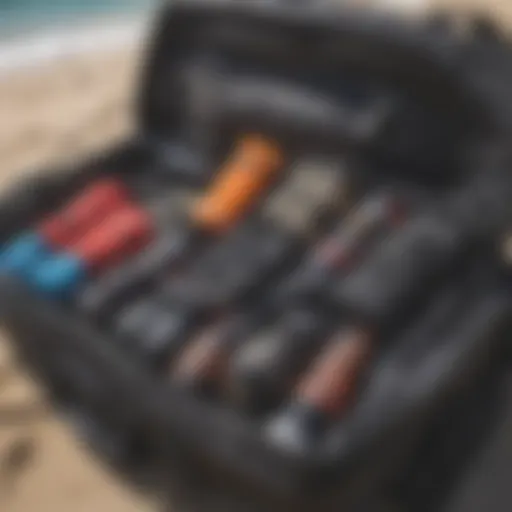
When it comes to kiteboarding, the right gear can make all the difference. Here’s a look at some of the standout kiteboarding products that are making waves this season:
- Kites: The Slingshot Rally and Naish Pivot are popular among riders for their performance and versatility. Perfect for various wind conditions, these kites ensure a smooth ride for both beginners and advanced users.
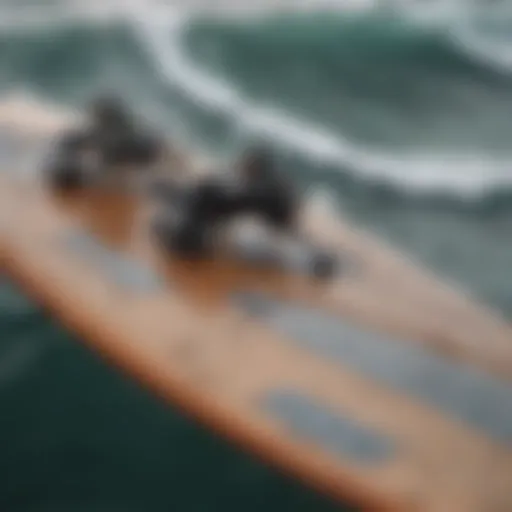
- Boards: Consider the Liquid Force Drive for its blend of maneuverability and speed. It offers a great balance and is especially forgiving for newcomers who are still gaining confidence.
- Harnesses: The ION Radar is known for its comfort and support, crucial for long sessions on the water. Investing in a good harness can drastically improve your kiteboarding experience.
For a deeper dive into these products, reviews can be found on sites like reddit.com or kiteforum.com.
Essential Gear Maintenance
To ensure a long lifespan for your gear and enhance your overall performance, routine maintenance is key. Here are some tips to keep your kit in tip-top shape:
- Kite Care: Always rinse your kite thoroughly with fresh water after a session. Sand and salt can degrade the material and affect its performance.
- Board Upkeep: Regularly check for dings and repairs on your board. Seal any scratches with a clear epoxy to maintain integrity.
- Harness Check: Inspect your harness for any signs of wear, especially on straps and buckles. Replace any worn components to avoid issues during rides.
Remember, investing time in maintenance today prevents costly replacements tomorrow.
In summary, understanding your gear—what to choose and how to care for it—will not only improve your kiteboarding experience but also enhance your safety on the water. Keeping your equipment in peak condition ensures that every ride is exhilarating and fulfilling.
Next, we will glide into the realm of techniques, exploring the foundational skills that everyone should master.
The Evolution of Kiteboarding
Kiteboarding, an exhilarating fusion of surfing, windsurfing, and wakeboarding, has undergone significant transformations since its inception. Understanding the evolution of kiteboarding not only enriches one’s appreciation for the sport but also highlights how innovations in technology and shifts in cultural practices have shaped the experiences of riders today. This section dives into the beginnings of kiteboarding and its growth into one of the most thrilling water sports worldwide.
A Brief History
The history of kiteboarding can be traced back to the 13th century with the early use of kites for practical purposes in regions such as China and the Middle East. However, it wasn't until the late 20th century that enthusiasts began experimenting with kites for recreational activities on water. The modern kiteboarding movement originated in the 1990s with the introduction of inflatable kites, which significantly improved performance and safety compared to their predecessors.
In 1998, the launch of the first commercial kitesurfing brand, Naish, marked a turning point for the sport. These kites were designed with more advanced materials, enabling riders to harness stronger winds and leap higher waves. The explosive growth of kiteboarding took the world by storm, appealing to thrill-seekers and surfers alike.
How Tampa Emerged as a Kiteboarding Hotspot
Tampa's geographical advantages played a pivotal role in its emergence as a kiteboarding haven. With a blend of warm climate, consistent winds, and stunning coastal scenery, this city quickly became a magnet for riders.
Local hotspots like Tampa Bay and Davis Islands provided ideal conditions for both beginners and seasoned kiteboarders to hone their skills. The flat waters of Tampa Bay, coupled with steady wind patterns, create perfect practice environments. Local shops and schools foster a vibrant community of kiteboarding enthusiasts, further enhancing the popularity of the sport.
Moreover, regional kiteboarding competitions have helped cement Tampa's reputation in the wider kiteboarding community. Events drawing participants from around the globe offer local riders the chance to showcase their skills and connect with others passionate about this exhilarating sport. Overall, the blend of natural beauty and community spirit has made Tampa a beacon for kiteboarders, ensuring that both the sport and its culture continue to thrive.
Understanding Kiteboarding Conditions in Tampa
Kiteboarding thrives on a delicate interplay between wind and water. In Tampa, a region celebrated for its sunny skies and warm waters, understanding these crucial elements is key to making the most of your kiteboarding experience. The conditions here can vary widely throughout the year, making it essential for riders to familiarize themselves with local patterns in order to optimize their time on the water.
Knowing the wind patterns and the water conditions can significantly enhance a rider's skills and safety. Essentially, a solid grasp of how the wind behaves alongside an awareness of the water conditions will empower both novices and seasoned kiteboarders alike. For instance, breezy days may encourage more advanced maneuvers, while calmer conditions support those just starting out.
Furthermore, adapting your riding schedule based on these conditions ensures better performance and can prevent accidents — we don’t want a kite to go rogue just because the wind suddenly altered course. Being prepared leads to enjoyable experiences and the opportunity to learn and improve, critical components of any sport.
Wind Patterns and Best Times to Ride
Wind plays a pivotal role in kiteboarding. In Tampa, the summer months typically feature consistent winds that average around 15 to 20 knots. This is when the region shines brightly in attracting kiteboarding enthusiasts. The thermal winds that develop during these months create ideal conditions, especially in the afternoons, when the sea breeze kicks in, delivering reliable and even gusts.
However, winter can be tricky. While it isn’t uncommon to experience lighter winds during this season, it does provide opportunities for those who appreciate more variable conditions. Wind directions predominantly come from the southeast, east, and even northeast. Keeping an eye on local forecasts, especially from trusted sources like the National Weather Service (*.gov), will help riders plan their sessions effectively.
Best Times to Ride:
- Spring and Summer: Ideal months are April through September, with afternoons being particularly favorable.
- Fall: September to November sees variable winds, which can make for some exciting rides if you’re up for the challenge.
- Winter: Although winds may be weaker, sometimes thrilling choppy days can add a unique flavor to your glide.
By considering these wind patterns, you can map out your goals, whether that’s mastering jumps or just enjoying the ride.
Water Conditions: Waves and Currents
Water conditions are another aspect that greatly influences a kiteboarder’s performance. Tampa showcases a mix of flat waters in the bay and moderate waves, depending on where you choose to ride. The Tampa Bay is mostly calm where the water is shallow; thus, it’s especially welcoming for beginners learning to navigate their kites without the added challenge of sizable waves.
However, conditions can shift rapidly with tides and weather changes. Additionally, local currents can present their own challenges. With tidal movements, it’s important to be aware of how they may affect riding conditions. For example, when the tide is coming in, the water tends to be smoother, but the outgoing tide can bring about more choppy conditions.
Considerations:
- Waves: While Tampa may not match some surf-heavy locales, some residential spots next to the Sunshine Skyway Bridge can offer small wave action, great for practicing jumps.
- Currents: Always check local tide charts to plan your sessions, especially during stronger tidal flows.
Keeping an eye on both wind and water conditions may require some homework, but a little knowledge upfront can prevent a lot of headaches later on. After all, a good kiteboarding session begins with understanding your environment.
Top Kiteboarding Locations in Tampa
Kiteboarding is not just about the gear or the skills; it's heavily influenced by where one chooses to ride. This section zeroes in on the prime kiteboarding spots in Tampa, detailing why these locations are vital for both budding riders and seasoned pros alike. From the water's surface to the winds sweeping overhead, each location presents its own unique set of challenges and thrills. These places are, in essence, the lifeblood of Tampa’s kiteboarding scene, providing the conditions necessary to cultivate a vibrant community around this exhilarating sport.
Tampa Bay: The Heart of Kiteboarding
Nestled between the shimmering waters and bustling urban life, Tampa Bay serves as a central hub for kiteboarding enthusiasts. The expansive waters here allow for excellent wind conditions and enough space for various skill levels to engage in the sport. Riders can enjoy direct access to the Gulf of Mexico, making Tampa Bay not only a launch point but also a strategic location for those looking to ride the consistent and often gentle breezes.
Things to consider when riding in Tampa Bay include:
- Wind Consistency: The area typically boasts steady winds, especially from late spring to early fall, making it ideal for kiteboarding on most days.
- Access Points: Many public parks and beaches around the bay provide easy access for launching kites, ensuring kayboarders can hit the water smoothly.
- Community Events: The bay often hosts local competitions and social gatherings, fostering camaraderie and providing hints about local tricks and tips.
In short, if you're looking for a pulse on Tampa's kiteboarding scene, it starts right here at Tampa Bay.
Davis Islands: A Haven for Enthusiasts


A stone’s throw from downtown, Davis Islands presents a quintessential environment for kiteboarding. This area is particularly noted for its friendly vibes and a tight-knit community of enthusiasts who are often seen sharing tips and stories. With its shallow waters and protected canals, the locations here cater perfectly to beginners working on their technique while still offering spots for advanced riders to take their skills up a notch.
Main highlights of kiteboarding in Davis Islands:
- Ideal for Beginners: The gentler water conditions offer a perfect training ground for novice riders.
- Local Knowledge: Renowned for its instructional schools, Davis Islands attracts numerous certified instructors who are eager to help elevate one's kiteboarding prowess.
- Community Spirit: A strong sense of belonging, with frequent BBQs and group rides, sets this place apart. You won't just be a rider here; you'll be part of a community.
The Sunshine Skyway Bridge Area
The Sunshine Skyway Bridge Area is like a postcard brought to life, with breathtaking views complemented by thrilling kiteboarding opportunities. Known for its dramatic scenery and formidable winds, it’s not uncommon to find kiteboarders soaring through the air, capturing the essence of freedom that kiteboarding offers. The open waters near the bridge present both challenges and delights.
Important factors to keep in mind for this area include:
- Wind Conditions: The winds can get loftier, making it a spot best suited for intermediate to advanced riders looking for a bit of a challenge.
- Spectacular Scenery: The towering bridge offers stunning views, making your kiteboarding adventure a feast for the senses.
- Safety Measures: Riders should be mindful of boat traffic, as this area sees significant activity from larger vessels traversing under the bridge.
In essence, riders here get to enjoy a convergence of natural beauty and the thrill of flying across the waves, making this spot a memorable part of the Tampa kiteboarding experience.
Equipment Essentials for Kiteboarding in Tampa
Kiteboarding combines the power of wind with the thrill of riding over water, and having the right equipment is crucial for both safety and enjoyment. In Tampa, where conditions can change rapidly, understanding what gear to use makes all the difference. Right equipment doesn’t just elevate your performance; it can also enhance your learning curve, contributing greatly to the kiteboarding experience.
Kites: Types and Specifications
When it comes to the heart of kiteboarding, it’s all about the kites. Different types of kites cater to varied wind conditions and rider preferences. Here are a few types:
- C-Kites: These are great for jumping and have a strong pull. They're generally suitable for advanced riders who want to perform stunts.
- Bow Kites: Known for their large wind range and stability, these are perfect for beginners and those looking for a smoother ride.
- Delta Kites: They combine the best features of C and Bow kites, making them versatile for different conditions.
In Tampa, where winds can be fickle, choosing the right size and specifications based on wind speed is essential. For example, a smaller kite is ideal for high winds, while larger kites shine during light wind days. Following the local weather reports and keeping a few kites of different sizes can keep you riding regardless of conditions.
Boards: Finding the Right Fit
The board you choose is your connection to the water. Kiteboarding boards come in various shapes and sizes, and selecting the right one depends on your riding style and skill level.
- Directional Boards: Best for wave riding, offering streamlined design for easier navigation through surf.
- Twin Tip Boards: Popular among beginners, these are symmetrical, allowing for riding in both directions without needing to switch stance.
When picking a board, consider factors such as:
- Rider Weight: Heavier riders may need larger boards for buoyancy.
- Skill Level: Beginners should lean towards boards that offer more stability.
You can find various options to test at places like the Davis Islands or Tampa Bay, which often have local shops willing to rent equipment.
Safety Gear: Harnesses and Helmets
Safety gear is not just an option; it’s a necessity in kiteboarding. Harnesses attach you comfortably to the kite lines and allow you to control the power from the kite more effectively. There are two main types:
- Waist Harnesses: These are lower on the body and provide more freedom of movement, which might be favored by freestyle riders.
- Seat Harnesses: Good for those who want more support and are recommended for beginners because they distribute weight better.
Don't underestimate the importance of a helmet. A good helmet protects your head in case of falls or accidents. The waters around Tampa can sometimes get crowded with enthusiastic kiteboarders, and wearing a helmet can keep you safe from unexpected collisions.
"Investing in quality safety gear is as important as your kite itself. It can save you not just injuries but also enhance your overall kiteboarding experience."
With the right equipment, you’ll not only ride better but also feel more secure on the water. Tampa's diverse conditions give every rider a chance to explore and grow, as long as they're equipped properly.
Techniques for Mastering Kiteboarding
Kiteboarding is as much an art as it is a sport, and mastering the techniques can elevate your experience from simply riding the waves to truly becoming one with the wind. This section will delve into the manifold techniques of kiteboarding, focusing on the elements that beginners must grasp first, before progressing to more advanced tricks. Understanding these techniques not only enhances one's skills but also ensures a safe and enjoyable experience on the water.
Fundamentals for Beginners
Diving into kiteboarding can be a little like jumping into a chilly pool—you might hesitate at first, but once you acclimate, the experience becomes thrilling. For beginners, the focus should be on foundational skills. These include
- Kite control: Learning how to pilot the kite is paramount. Beginners should practice flying a small trainer kite on dry land to get a feel for how the wind affects the kite’s movement.
- Body positioning: Maintaining the right stance while riding is critical. Keep your knees slightly bent and your body low to the board for balance.
- Taking off: Timing your launch with the kite’s lift is a dance of sorts. Wait for the kite to pull before you jump and lean into the board.
- Landing: The key to a successful landing is in the descent. As you approach, smooth out the descent by steering the kite down gently to minimize impact.
To practice these skills, newbies can join local schools, where instructors emphasize step-by-step guidance. Each stage builds on the last, transforming the daunting into the doable. As one Tampa-based instructor highlighted, "Every session is a step toward confidence. "; It's not just about getting up, it's about staying up!
Advanced Tricks and Maneuvers
Once you've nailed the basics, venturing into advanced tricks is what keeps kiteboarding fresh and exhilarating. Advanced maneuvers require a deeper understanding of both kite control and board dynamics, along with a sprinkle of bravery. Here’s what you can look forward to:
- Jumping: This is where the real fun lies. Begin with small hops and focus on popping off the water. Timing is everything, as you need to pull on your back hand at the right moment for the lift.
- Transitions: These allow riders to turn and change direction while in the air. Mastering this can enable seamless navigation of the wind, making for smooth rides.
- Tricks such as the "Handle Pass": This maneuver involves passing the control bar behind your back while in mid-air. While it sounds daunting, consistency and practice can yield radiant results.
Advanced moves often require a good understanding of wind conditions, which Tampa's often gentle breezes can either assist or challenge. Each rider’s style is unique, and your tricks should reflect your personality. Keep pushing your limits, stay safe, and most importantly, enjoy the ride!
"To master the art of kiteboarding is to master oneself. Each challenge tackled is a lesson in resilience and freedom."
For those looking to further their skills, consider connecting with local kiteboarding groups. Sharing experiences with other riders not only deconstructs personal barriers but also fosters a supportive community, aiding everyone’s journey.
Safety Practices in Kiteboarding
Kiteboarding offers an exhilarating experience that combines skills, nature, and freedom. However, with that excitement comes a pressing need for safety practices. Ensuring that you are well-versed in safety measures not only protects you but also promotes a safe environment for others. In bustling locations like Tampa, where kiteboarding is a vibrant part of the community, safety cannot be an afterthought.
The significance of understanding safety practices in kiteboarding cannot be overstated. Proper precautions help reduce the likelihood of accidents, ensuring that riders can enjoy their sessions with peace of mind. With strong winds and shifting conditions, kiteboarders must know both the risks involved and how to mitigate them.
Understanding Risks and Precautions
When it comes to kiteboarding, several inherent risks must be acknowledged:
- Weather Conditions: Always check the local weather before hitting the water. Sudden storms can arise, and gusty winds can change the dynamics of your ride.
- Equipment Failure: Regularly inspect your gear, focusing on lines, kites, and harnesses. An overlooked frayed line can lead to catastrophic failure at a crucial moment.
- Other Users: Crowded spots can lead to accidental collisions. Maintain a safe distance from other kiteboarders, swimmers, and boats.
Implementing precautions is simple yet effective. Start with an equipment checklist before every session. Consider the 1-2-3 rule:
- Check the wind speed and direction.
- Inspect your gear thoroughly.
- Have a plan for emergencies.
Being aware of your surroundings and constantly evaluating conditions is vital. As the saying goes, "better safe than sorry."
Emergency Protocols
Despite our best efforts, accidents can happen. Knowing how to respond during an emergency is crucial. Here are key emergency protocols every kiteboarder should be familiar with:
- Know How to Self-Rescue: Familiarize yourself with self-rescue techniques. If you find yourself in trouble, being able to bring your kite down safely is essential. Kick your kite upwind, get into a stable position, and swim back to safety.
- Communicate: Use hand signals or whistles to communicate with fellow riders. Pre-agreed signals can help in emergencies when communication is hard.
- Have a Buddy System: Always ride with a partner. If something goes awry, having someone by your side can be a lifesaver. Plus, you can help each other gear up and provide a second set of eyes.
- Know Your Rescue Services: Understand the local rescue protocols. In Tampa, agencies often monitor popular kiteboarding areas. Have contacts for local emergency services or lifeguards handy in your personal floatation devices (PFD).
"Preparation and knowledge often mean the difference between a good session and a dangerous situation."

By adhering to these safety practices, kiteboarders can ensure a thrilling yet responsible experience on Tampa's windswept waters. Remember, kiteboarding is about having fun and sharing incredible moments among fellow enthusiasts, so keep the focus on safety to enjoy every ride to its fullest.
The Role of Schools and Instructors in Tampa
When it comes to diving into the exhilarating world of kiteboarding, having access to knowledgeable instructors and reputable schools in Tampa is not just a luxury; it's a necessity. The right guidance can help new kiteboarders navigate the complexities of the sport while allowing experienced riders to refine their techniques and learn advanced skills. In this section, we will explore the importance of local schools and instructors, the elements that define effective kiteboarding education, and why seeking out qualified professionals can greatly influence your kiteboarding journey in Tampa.
Finding Qualified Instructors
Finding a certified kiteboarding instructor in Tampa isn't as simple as flipping a coin. With the ever-growing popularity of kiteboarding, it’s crucial to sift through options carefully. Look for instructors who have undergone rigorous training and carry certifications from recognized organizations such as the International Kiteboarding Organization (IKO) or the Professional Kiteboard Riders Association (PKRA).
Consider the following factors when researching potential instructors:
- Experience: How long have they been teaching? Veteran instructors tend to have a wealth of insights to offer.
- Teaching Style: Does the instructor have a well-structured curriculum? Understanding their approach to instruction can make a huge difference in learning effectiveness.
- Student Reviews: Check platforms like Facebook or even local forums on Reddit to see what past students say about their experience. Positive feedback can point towards a reliable instructor.
Engaging a qualified instructor can greatly ease your entry into the sport. Their expertise will ensure that you grasp foundational techniques and safety procedures, setting the stage for a safer and more enjoyable experience on the water.
Understanding the Certification Process
Knowledge of the certification process in kiteboarding can empower you as a rider. Understanding how different certification levels are structured not only enhances your skills but also your confidence while riding.
Instructors typically follow a certification model that includes:
- Level 1: Discovery
This phase introduces the fundamentals of kiteboarding, focusing on board setup, safety protocols, and basic flying skills. - Level 2: Intermediate Skills
At this level, riders learn water start techniques and basic riding skills, allowing for movement across the water. - Level 3: Advanced Techniques
This stage hones advanced techniques such as jumps and tricks, helping riders refine their skill set for a higher degree of control.
In addition, some schools offer pathways to become instructors yourself, which can be appealing, especially for those looking to immerse themselves further in the kiteboarding community. This exploration of teaching methodologies and skills signifies a holistic approach not only for students but also for those aiming to pass on the knowledge. As Tampa’s kiteboarding landscape evolves, tackling these certifications can position kiteboarders as responsible, skilled riders who contribute positively to the sport.
"The right instructor can turn the steep learning curve of kiteboarding into a manageable slope, encouraging a sense of accomplishment from day one."
As we see, the role of experienced instructors and structured schools in Tampa cannot be overstated. Not only do they provide skills and knowledge that are crucial for all levels of riders, but they also foster a strong community that promotes safety and enjoyment in kiteboarding.
Community and Events in Tampa
Kiteboarding is not just a sport; it’s a blend of culture, camaraderie, and community spirit, especially in a vibrant hub like Tampa. This section unfolds the importance of local events and gatherings that foster a sense of belonging amongst enthusiasts. The thrill of kiteboarding is amplified when shared with others, and Tampa offers a unique environment where riders can learn, compete, and connect.
Kiteboarding Competitions and Gatherings
Competitions play a vital role in the kiteboarding community, as they not only showcase skill but also become a focal point for social interaction among kiteboarders. Events in Tampa can range from informal meetups at popular spots like Davis Islands to more formal competitions that attract riders locally and from afar.
These gatherings serve several purposes:
- Skill Development: Not only do these events allow seasoned riders to push their limits, but they also provide beginners a chance to learn from the best.
- Networking Opportunities: Riders often network during competitions, leading to friendships that can last a lifetime. The connections made at these events can lead to further collaborations, whether in the form of team sponsorships or just riding buddies who share a passion for the sport.
- Showcasing Local Talent: Tampa's competitions often highlight local riders, who may not only get the chance to shine but also become role models for upcoming enthusiasts. Occasional events feature local music and food, creating a community festival atmosphere that celebrates the sport and its participants.
"Kiteboarding isn’t just about the wind and water; it’s about the people you meet along the way."
Attending these gatherings provides a sense of community that many riders crave. They’re not merely about competition; they’re about sharing passion and love for the sport.
Online Forums and Local Groups
In today’s tech-driven world, online platforms play a significant role in bringing enthusiasts together, especially when it comes to niche sports like kiteboarding. Tampa’s kiteboarding community thrives on a mixture of digital interaction and real-life meetups.
- Support and Advice: Online forums, such as those found on websites like Reddit and Facebook, are invaluable for riders seeking advice on conditions, gear, and local happenings. Having a space where you can throw around questions or even just share your excitement adds another layer of engagement to the sport.
- Event Notifications: Local groups often use social media platforms to share news about upcoming events, competitions, and social gatherings. Members can quickly find out when and where to meet up for fun sessions or solo rides, enhancing the overall kiteboarding experience in Tampa.
- Information Exchange: These online communities are also excellent for discussing new gear, sharing tips for improving riding techniques, and addressing challenges faced by kiteboarders of all levels. Such discussions often transcend borders, allowing Tampa riders to connect with a global audience and learn from each other’s experiences.
In short, the community and events surrounding kiteboarding in Tampa elevate the sport from a solitary activity to a collaborative one. There’s a certain energy that fills the air when kiteboarders gather, whether in person or online, making Tampa a distinct and welcoming spot for both seasoned pros and eager newcomers alike.
Sustainability in Kiteboarding
Kiteboarding, while an exhilarating pastime, carries a responsibility towards the environment. The importance of sustainability in kiteboarding is intertwined with the health of local ecosystems and the overall well-being of the sport. As more enthusiasts flock to Tampa's stunning waters, the need to adopt eco-friendly practices becomes increasingly essential. This not only preserves the natural beauty that attracts kiteboarders but also ensures the longevity of the sport itself.
Sustainability benefits the community in several ways:
- Preserving Natural Resources: Protecting water quality and shorelines is vital. Unrestricted access can lead to erosion and pollution, which can impact marine life and, subsequently, the sport.
- Educating the Community: An emphasis on eco-friendly practices fosters a culture of awareness among both local riders and newcomers. This education can lead to better stewardship of the natural environment.
- Attracting Eco-Conscious Tourists: As travelers increasingly seek sustainable options, promoting eco-friendly kiteboarding can be a draw for a wider audience, benefiting the local economy.
In light of these considerations, it's clear that sustainability should be a cornerstone of kiteboarding practices in Tampa.
Initiatives for Eco-Friendly Practices
A number of initiatives aimed at promoting eco-friendly practices within the kiteboarding community have gained traction. These efforts are essential for mitigating the environmental impact of the sport while enhancing the overall experience. Here are some notable initiatives:
- Beach Clean-Up Programs: Local kiteboarding schools often organize clean-up days where riders gather to clear the beaches of litter. Such events not only help maintain a pristine environment but also foster community spirit among riders.
- Eco-Friendly Gear: Manufacturers are increasingly embracing sustainability by creating equipment from recycled materials or environmentally-friendly processes. Adopting these products can reduce one’s carbon footprint and make a positive statement.
- Education and Workshops: Many kiteboarding schools in Tampa conduct workshops focusing on environmentally sustainable practices. Topics include how to choose eco-friendly gear, the importance of respecting wildlife, and methods to minimize one's environmental impact while riding.
By participating in these initiatives, kiteboarders contribute not just to their own enjoyment but to a collective effort aimed at sustaining the sport for future generations.
Impact on Local Ecosystems
The impact of kiteboarding on local ecosystems can be profound, for better or for worse. While the sport promotes an appreciation for nature, it can also pose challenges if not managed responsibly. Consider the following factors:
- Disturbance to Wildlife: Kiteboarders should be aware that certain areas may serve as habitats for nesting birds or other wildlife. Respecting these zones is crucial to maintaining delicate balances within local ecosystems.
- Water Quality: Increased traffic in certain waters can lead to pollution. It's essential that kiteboarders take steps to minimize waste and adhere to local regulations that protect water quality.
- Erosion: Frequent launching and landing can induce soil erosion along beaches and shorelines. Understanding the best practices, such as launching in designated areas, can help mitigate these effects.
"The relationship between sports and nature isn't a one-way street; it's a partnership that demands care and respect."
Balancing the thrill of kiteboarding with an awareness of its environmental impact is essential. By implementing and participating in eco-friendly initiatives, kiteboarders can ensure that Tampa's fabulous kiteboarding scene remains vibrant and sustainable.
Exploring Innovations in Kiteboarding Gear
The realm of kiteboarding gear has undergone a remarkable transformation over the years. Innovations in technology and design have played a pivotal role in enhancing the experience for riders, allowing them to push boundaries and master the sport like never before. For those involved in the vibrant kiteboarding community in Tampa—or anywhere else for that matter—understanding these advancements is crucial.
Dive into the world of kiteboarding and you will quickly discover a variety of equipment options that go beyond basic needs. Modern kite technology features lightweight materials and aerodynamic structures, which not only improve performance but also safety during rides. As gears become more sophisticated, the variables affecting speed and maneuverability are greatly minimized.
The Latest Kite Technology
In recent years, kites have evolved from traditional designs into high-tech marvels. Innovations in materials and construction techniques have led to the development of kites that are lighter yet stronger. Some of the key advancements include:
- Inflatable Kites: These have become standard due to their stability and versatility across different wind conditions. Their shape can easily be adjusted, allowing for both freeride and freestyle styles.
- Hybrid Designs: Combining the best attributes of various kite shapes, hybrid designs cater to specific riding styles while offering improved control and agility.
- Smart Kites: Using sensors and software, some kites can provide real-time data to riders. This data can indicate wind speed or suggest optimal angles for more efficient navigation.
These innovations open up the possibilities for new kiteboarders while also catering to seasoned enthusiasts seeking greater performance. Each technological leap contributes to making riding smoother and more thrilling.
Advancements in Board Design
The evolution of board design mirrors the changes in kite technology. Boards have become increasingly refined, showcasing features tailored for various riding styles.
- Lightweight Materials: Today’s boards are manufactured from advanced composites that reduce weight without sacrificing strength. The result: better maneuverability and higher jump capabilities.
- Varied Shapes and Sizes: Riders can select boards that suit their personal style, whether that be for speed, tricks, or stability. Shorter boards for tricks and longer ones for cruising reflect how far the sport has come.
- Footstraps and Bindings: Innovations in footstraps allow for greater comfort and quicker adjustments. Enhanced grip ensures that riders maintain control even in rough conditions.


Each of these elements plays a significant part in the overall kiteboarding experience. With thoughtful design and technological breakthroughs, equipment becomes an extension of the rider, crucial for developing skills and enjoying the sport.
"Understanding the innovations in kiteboarding gear can elevate your riding experience, enabling you to find your niche and perfect your technique."
Overall, staying up to date with the latest gear innovations allows kiteboarders in Tampa to leverage new technologies that contribute to their success and enjoyment on the water. Whether it is a seasoned rider seeking the latest in performance, or a newcomer eager to learn, the advancements in kiteboarding gear offer something for everyone.
Travel Considerations for Kiteboarders
Travel can make or break the kiteboarding experience. You might have the latest gear, but if you don’t plan your trip correctly, it won’t matter much. Tapping into the unique aspects of Tampa can enhance not just your performance but your overall experience as well. In this section, we’ll explore essential travel considerations that kiteboarders ought to take into account when planning a trip to this sun-kissed city.
Planning Your Trip to Tampa
When planning your trip to Tampa, timing is everything. The best months for kiteboarding here often fall between late spring and early autumn. Here’s why:
- Wind Patterns: Tampa benefits from consistent sea breezes during the warmer months, making it ideal for kiteboarding.
- Events: Various kiteboarding events are held throughout the year, and participating can be a fun way to meet fellow riders.
To make the most of your experience, consider these aspects:
- Weather: Check weather forecasts leading up to your trip. This way, you'll have a clear picture of conditions.
- Equipment Rentals: If you're not flying in with your gear, look into local shops well ahead of time. Shops like Kiteboarding Tampa or Kite House offer all necessary equipment for rent or purchase.
- Lessons: If you’re new, consider booking lessons in advance. Schools often fill up, especially on weekends.
Gathering all this info before you pack up can save you a headache once you arrive.
Accommodation and Amenities
When it comes to finding a place to stay in Tampa, it helps to be strategic. Not all accommodations are created equal regarding proximity to your kiteboarding spots.
Here are a few handy tips for ensuring your stay is comfortable and practical:
- Location: Staying near Tampa Bay or Davis Islands can put you just a stone's throw away from the water. Look for hotels or vacation rentals that provide easy access to kiteboarding areas.
- Amenities: Amenities like storage for your gear should be a priority when selecting a place. Not all hotels will allow for this, so inquire beforehand.
- Public Transport: Consider locations near public transport, which can come in handy for getting around the city.
Cozy options include beachfront hotels or quaint inns that offer the essentials for a fantastic kiteboarding experience.
"Planning for your kiteboarding adventure in Tampa is as crucial as mastering your tricks on the water. Get it right, and you're choosing to ride the waves rather than just dream about it."
Whether you're aiming for a laid-back stay or an action-packed adventure, Tampa offers various options that cater to different budgets and preferences. Being informed and prepared makes for a smoother trip, so look ahead to ensure you don’t miss any of Tampa's kiteboarding magic.
Comparative Overview: Kiteboarding Around the World
Kiteboarding, a sport that blends elements of surfing, sailing, and paragliding, enjoys a global following and diverse geographical representation. In this section, we take a closer look at how Tampa stands among other kiteboarding hotspots worldwide. It’s crucial to delve into this comparison because not only does it highlight Tampa's strengths and weaknesses, it also provides invaluable context for enthusiasts looking to broaden their horizons.
Understanding this comparative landscape helps riders appreciate the nuances that come with different locations. Some spots are known for their heavy winds, while others are renowned for flat waters. The benefits of this comparison are multifold:
- Broader Perspective: Gain insight into how Tampa's conditions compare to other celebrated kiteboarding destinations.
- Destination Choice: Aid in making informed decisions for potential travel or new kiteboarding experiences.
- Understanding Variabilities: Recognizing the various elements at play in different regions, including culture, safety, community, and environmental impact.
How Tampa Stacks Against Other Locations
When lined up against some of the world’s best kiteboarding locations—like the windswept beaches of Cabarete in the Dominican Republic or the pristine waters of Maui—Tampa holds its own in many areas.
The year-round warm climate allows for a longer riding season, making it more inviting particularly to those in the colder northern states during winter. Furthermore, Tampa Bay offers consistent wind patterns that are favorable for all skill levels, from beginners to advanced riders. It may not have the extreme wind conditions of other spots but the very consistency creates a dependable environment for skill development.
However, there are also some considerations:
- Crowd Factor: Tampa can get quite busy, especially during peak months. This can mean sharing the excitement with more riders, thus requiring heightened awareness of surroundings.
- Kiteboarding Regulations: Local regulations, while typically rider-friendly, can sometimes vary from location to location. This is vital for safety and enjoyment, thus knowing the local rules is essential.
Identifying Unique Features of Tampa
Tampa’s kiteboarding scene is characterized by some unique elements that make it appealing for enthusiasts:
- Accessibility: The proximity of urban amenities, restaurants, and accommodations means a seamless blend of adventure and comfort.
- Community Engagement: Tampa boasts a vibrant kiteboarding community. Local clubs often host events that allow for skill-sharing and social connections.
- Spot Variety: Beyond Tampa Bay, there are numerous local spots catering to various skill levels—each offering distinct experiences, from safe shallow waters to challenging wave riding.
"Kiteboarding in Tampa is not just about the sport; it’s about community, that special vibe you get when you’re out there on the water with fellow enthusiasts."
- Natural Beauty: The sights and sounds of Tampa’s waters are a scenic bonus, making every session aesthetically pleasing. The sunsets, in particular, can be breathtaking, painting the sky as you glide over the water.
In summary, while Tampa may not lure kiteboarders solely with extreme wind conditions, it scores highly on accessibility, community, and pleasant riding conditions. These features give Tampa a niche that, when coupled with its steady winds and warm waters, creates a kiteboarding experience that is both fulfilling and engaging.
Personal Stories: Local Riders' Experiences
Experiences shared by local kiteboarders can enlighten those seeking to dive into the sport. Understanding personal stories gives readers a glimpse into both the challenges and rewards that come with kiteboarding in Tampa. These narratives capture the essence of adventure, the learning curves, and, importantly, the deep-rooted community that supports riders of all stripes.
Sharing Insights from Veteran Kiteboarders
Listening to veteran riders can feel like tapping into a goldmine of knowledge. Many of these enthusiasts have weathered the storms—literal and metaphorical—of kiteboarding. They’ve faced harsh winds, battered their boards against waves far too bold, and tasted the thrill of cruising under the perfect sky.
Their insights often touch upon three vital areas: technique, safety, and camaraderie. For instance, Mark, a seasoned kiteboarder, recalls his early days. "I remember my first ride at Davis Islands. It felt like flying, but I pushed my luck and crashed hard. Learning to manage the wind conditions was crucial, and now, it’s second nature." It’s this wisdom that can help newcomers avoid rookie pitfalls and enjoy their experience more fully.
Veterans also emphasize the importance of community. Everyone, from instructors to fellow riders, plays a role in a kiteboarder's journey. As gangling beginners swap tips with well-seasoned kite enthusiasts, they bridge the gap between novice and pro. Sharing experiences fosters a sense of belonging—crucial in a sport that relies on the environment and teamwork.
Beginner Journeys: Learning to Kiteboard in Tampa
For those just starting out, the journey of learning kiteboarding can be both exhilarating and daunting. New kiteboarders often feel the thrill of anticipation mixed with a splash of fear—wondering whether they can truly harness the power of the wind.
Take Jessica, for example. She ventured into kiteboarding after a summer vacation in Tampa. Her experience was painted with struggles, but an impressive dedication was evident. "The first time I attempted to launch my kite, I ended up tangled in it! But soon enough, I learned how to control it better, and things clicked. The rush of being pulled along the water? It’s something else, I tell you!"
Key to Jessica’s success was finding a supportive group. She joined a local kiteboarding school where instructors emphasized the importance of progress over perfection. Simple tips, such as learning to respect the wind’s strength and understanding water dynamics, proved invaluable.
Not to mention, Tampa’s unique conditions—clear waters, steady winds, and picturesque beaches—make learning to kiteboard a delight. From organized classes to informal meetups at Tampa Bay, beginners find welcoming spaces to learn, share, and grow their skills.
In summary, the voices of both veterans and beginners enrich Tampa's kiteboarding culture. Sharing personal anecdotes not only enhances the connection among riders but also motivates newcomers, infusing the sport with a sense of shared history and collective growth.
Concluding Thoughts on Kiteboarding in Tampa
Kiteboarding in Tampa has grown into more than just a pastime; it's a lifestyle for many. The combination of favorable weather, supportive communities, and breathtaking scenery gives kiteboarders a unique experience that isn’t easily replicated elsewhere. As the sport becomes increasingly popular, understanding its future and how to foster participation is crucial for both new entrants and long-time riders.
Future of Kiteboarding in the Region
The horizon looks bright for kiteboarding in Tampa. With more enthusiasts hitting the water every year, the community continues to flourish. Local businesses are beginning to recognize the potential within this sport, and many are offering specialized services to cater to the growing demand.
One example is the increase in kiteboarding schools and workshops. These entities are dedicated to elevating the skill sets of newbies and veterans alike. Additionally, technological advancements in kite gear are likely to improve performance and safety, thus encouraging even more people to embrace the sport. It's also noteworthy that environmental sustainability has become a hot topic. As concerns about climate change proliferate, kiteboarding initiatives that focus on eco-friendly practices are probably going to gain ground. This could foster a community that not only enjoys the sport but also cares deeply about the local ecosystems.
Encouraging Participation in the Sport
Encouraging participation is essential for the ongoing vitality of kiteboarding in Tampa. This task starts with education. Drawing in first-time riders, especially younger generations, means providing clear and approachable resources on how to get started. Local organizations can host free demo days where people can try kiteboarding. These events not only demystify the sport but also build connections within the community.
Furthermore, leveraging social media platforms can greatly enhance outreach. Engaging content, tutorials, and success stories can inspire potential kiteboarders. While some folks may hesitate at the thought of trying something new, seeing peers share their positive experiences can serve as the nudge they need. Online forums and local Facebook groups are excellent for fostering conversations and collaborations among enthusiasts. Just remember: kiteboarding is not merely about the thrill of the ride; it’s about forming relationships, sharing knowledge, and relishing the joy of being out on the water.
Engagement and education, therefore, should go hand in hand to ignite interest and participation in Tampa's kiteboarding scene.