Weather Patterns and Kiteboarding in St. Barthélemy


Intro
St. Barthélemy, often simply referred to as St. Barts, is a gem nestled in the Caribbean. Its weather patterns have a significant impact on both daily life and the various outdoor activities enjoyed by residents and visitors alike. The distinct microclimates, seasonal changes, and influential wind patterns create a unique environment that attracts kiteboarding enthusiasts from around the world. Understanding these conditions can make a world of difference in optimizing your time on the water, whether you're a seasoned pro or a nervous beginner.
In this article, we will dive deep into the island's intricate weather systems, examining how they interplay with the kiteboarding experience. From seasonal variations to temperature trends, we will uncover what kiteboarders should anticipate when planning their adventures on the pristine waters of St. Barts. Moreover, we will provide practical insights and tips that can assist participants in navigating these climatic nuances decisively and confidently.
Equipment Insights
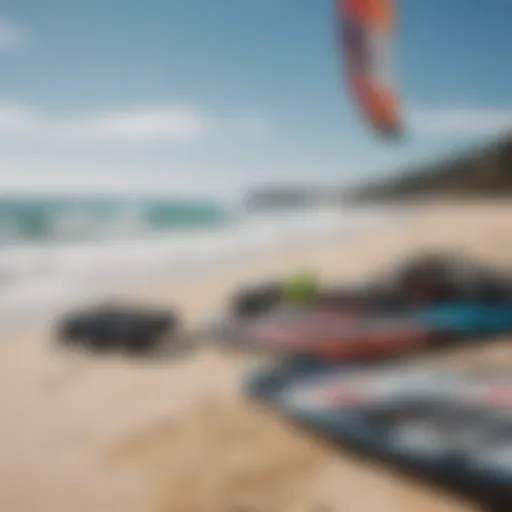
During kiteboarding, having the right gear can be the difference between a memorable day on the water and a frustrating experience. The weather dictates not just the level of fun but also safety concerns. Therefore, understanding equipment specifics suited for the local conditions becomes paramount.
Latest Gear Reviews
Many brands are coming forward with innovations tailored specifically for kiteboarding in tropical climates. For instance, the Duotone Neo kite has gained a reputation for its performance in varying wind conditions. Riders have noted its stability and versatility, making it ideal when St. Barts experiences unexpected gusts.
Another noteworthy mention is the Cabrinha Double Agent board. Designed for both twintip and surf-style riding, this board adapts well to the island's shifting conditions, ensuring riders don’t run the risk of being caught unprepared.
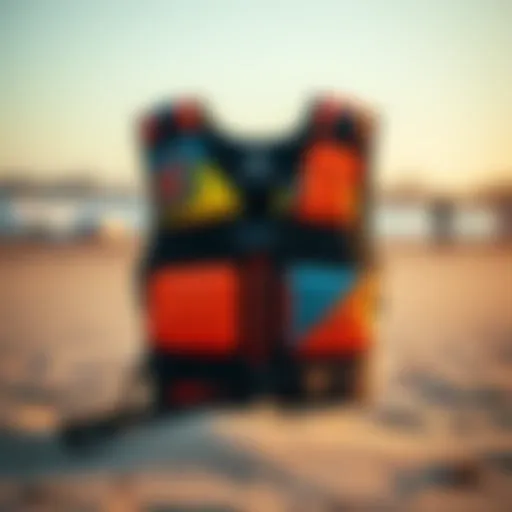
When it comes to harnesses, the Mystic Warrior has made waves with its robust construction and excellent back support, garnering praise from those who plan extended sessions.
Essential Gear Maintenance
For kiteboarding enthusiasts, regular gear maintenance is crucial, especially given the humid conditions of St. Barthélemy. It is advisable to regularly rinse your gear with fresh water after each session to prevent salt build-up, which can lead to corrosion and wear.
Moreover, check your lines for fraying, as this can seriously impact performance and safety. Investing in quality storage is also wise; a well-ventilated area can work wonders in prolonging the lifespan of your kite and board.
"Taking care of your kiteboarding gear means taking care of your riding experience. Treat it well, and it’ll reward you with many exhilarating rides."
The Influence of Wind Patterns
Understanding local wind patterns is integral for kiteboarders. Generally, winds in St. Barts are the strongest from November to April, making it the peak season for kiteboarding. This period offers consistent trade winds, blowing predominantly from the east.
During the summer months, winds tend to taper off, leading to lighter conditions. Although some may see this as an obstacle, skilled riders can still enjoy the softer breezes for up-and-coming maneuvers or simply refine their skills.
For those planning to kiteboard, consulting wind forecasts from reliable sources will aid in identifying the best times. Websites such as Windy and Meteo France offer localized forecasts that will give you the clarity needed to decide when to hit the water.
Finale
Navigating the weather patterns of St. Barthélemy is essential for anyone looking to dive into the island's captivating kiteboarding scene. By understanding the local conditions, maintaining gear appropriately, and staying informed about wind patterns, kiteboarders can elevate their experience and embrace the thrill the island has to offer. As you embark on your adventure here, keep in mind the importance of preparation and adaptability. After all, mastering these elements is what truly enhances the kiteboarding experience.
Prologue to St. Barthélemy Climate
Understanding the climate of St. Barthélemy is of paramount importance, especially for those who seek the thrill of kiteboarding on its blue waters. The weather conditions on this small island can vary significantly throughout the year, influencing everything from air temperature to wind patterns. For kiteboarders and outdoor enthusiasts, being attuned to these variations can mean the difference between a successful day on the water or an outing fraught with challenges.
Factors such as geographical location, tropical climate, and seasonal changes play vital roles in shaping the island's weather. By delving into the climatic specifics, one gains insight not only into optimal kiteboarding conditions but also into how these conditions ebb and flow across the calendar year.
Furthermore, grasping the subtleties of St. Barthélemy's weather can enhance safety measures and improve the overall experience for kiteboarders. Knowing when to expect strong winds, as well as when moisture is more prevalent, allows you to plan your outings accordingly. This understanding goes beyond mere prediction and taps into a deeper appreciation for the island's natural environment.
"The beauty of St. Barthélemy is not just in its stunning vistas but also in the way the weather becomes a dance partner for adventurers."
By exploring the geographical aspects along with the significance of varying weather conditions, you are preparing to fully embrace the excitement that kiteboarding offers on this tropical paradise.
Annual Weather Trends
Understanding the annual weather trends of St. Barthélemy is crucial for those looking to maximize their kiteboarding experience. Each year, the island showcases a variety of weather patterns that greatly influence water conditions, wind strength, and overall kiteboarding enjoyment. By analyzing these trends, kiteboarders can plan their trips to coincide with optimal conditions, ensuring a thrilling and safe experience on the water. This section delves into the specifics of temperature, humidity, and precipitation trends throughout the year, each playing a pivotal role in shaping the kiteboarding landscape.
Temperature Ranges Throughout the Year


In St. Barthélemy, the temperature remains relatively stable year-round, typically hovering between 24°C (75°F) and 31°C (88°F). Such warm temperatures create a welcoming atmosphere, perfect for water sports like kiteboarding. However, there are subtle seasonal shifts worth noting.
During the peak months of December through April, temperatures are more pleasant, falling near the lower end of the range. This period is also likened to the
Wind Patterns and Their Importance
Understanding wind patterns is crucial for anyone venturing into kiteboarding in St. Barthélemy. The island is renowned for its steady breezes, which are the lifeblood of the sport. Kiteboarders can rely on these winds to propel them across the crystal-clear waters, offering an exhilarating experience and allowing for a variety of maneuvers, from simple runs to advanced tricks. Factors such as wind speed and direction not only determine sailing safety but also influence the overall kiteboarding experience.
Wind consistency and predictability is a gift from nature. Kiteboarders find that certain spots on the island provide better conditions than others, favoring specific times of year. By gaining insight into these wind patterns, enthusiasts can tailor their schedules to optimize their time on the water, maximizing enjoyment while minimizing risks.
"In kiteboarding, the wind is not just a factor; it's the essence of the sport. Knowing how to read it can often mean the difference between a thrilling ride and a challenging outing."
Trade Winds and Their Effects on Kiteboarding
The trade winds play a pivotal role in the kiteboarding scene of St. Barthélemy. These predictable easterly winds serve as the backbone of kiteboarding conditions. Generally blowing at speeds of around 15 to 25 knots, they create the perfect environment for not just kiteboarders, but also for windsurfers and sailors.
In winter months, typically between December and February, the trade winds are at their strongest, making this the high season for kiteboarding. Conditions at this time provide steady, clean wind patterns that allure kiteboarders to the expansive open waters. As the winds blow over the ocean, they create a smooth surface that optimizes glide and maneuverability, beneficial for novices and experts alike.
Conversely, understanding light wind conditions during the summer months, from June to August, allowed kiteboarders to adapt their techniques, depending on whether they seek tranquility or wish to practice more aggressive maneuvers.
Understanding Wind Direction and Speed
Wind direction is another aspect that kiteboarders must keep their eyes on. The general flow from the east means that most of the beaches on St. Barthélemy offer side onshore conditions. This not only aids in easy launches and landings but also helps in riding back to the beach without exhausting oneself. It can be as simple as a little knowledge about "cross-shore" and "onshore" winds, where the former allows easier access to the open water and riding across the waves.
Moreover, wind speed varies throughout the day, often increasing in the afternoon when temperatures rise. Kiteboarders often plan their sessions accordingly, taking advantage of the stronger breezes that typically arrive later in the day. Monitoring wind speed is vital because too much speed can make conditions challenging, particularly for beginners, while too little can hinder thrills and excitement on the water.
How Wind Patterns Change Seasonally
As seasons shift, so do the wind patterns in St. Barthélemy. During the transition from winter to spring, a noticeable dip in wind intensity may occur, causing kiteboarders to reconsider their schedules. Spring can often bring unpredictable weather conditions, with brief periods of calm that might confuse planners.
In contrast, fall often witnesses a resurgence of trade winds, providing different dynamics and invigorating conditions for kiteboarding enthusiasts. The subtle changes in trade winds during these transitional phases demand that kiteboarders remain adaptable. Knowledge of these seasonal variations means constantly updating skills and strategies, ensuring readiness for all that St. Barthélemy has to offer.
Through careful consideration of these wind patterns, kiteboarders can harness the unique weather conditions of St. Barthélemy for a thrilling experience out on the water.
Seasonal Variations
Understanding the seasonal changes in St. Barthélemy provides a crucial foundation for kiteboarders looking to maximize their time on the water. The island’s climate shifts throughout the year, presenting both challenges and opportunities for enthusiasts. Being aware of these variations means not only being ready for the wind and waves but also understanding how to best plan trips, gear up appropriately, and even choose the right technique based on local conditions. Each season has its unique characteristics that significantly influence kiteboarding experiences, making this knowledge essential for anyone eager to soar over the Caribbean waters.
Winter: High Season for Kiteboarding
Winter months, particularly from December to February, are arguably the best time for kiteboarding in St. Barthélemy. The weather is generally characterized by mild temperatures ranging from 24 to 28 degrees Celsius (75 to 82 degrees Fahrenheit), along with consistent trade winds. Adventurers can expect wind speeds averaging between 15 and 25 knots, creating ideal conditions for both novice and experienced riders since these winds are steady and typically manageable.
During this high season, the air can feel quite refreshing compared to the sultry summer months, making extended hours on the water quite enjoyable. The beaches are lively, yet the crowd, while present, is not overwhelming, allowing kiteboarders to enjoy the scenery without feeling crammed. The combination of reliable winds and pleasantly warm water creates an enticing scenario for enthusiasts eager to showcase their skills in vibrant tropical surroundings.
**"Winter’s allure isn't just in the consistent winds; it’s a perfect moment to connect with fellow kiteboarding fans and discover the local culture."
Summer: Understanding Conditions
Summer in St. Barthélemy, which lasts from June to August, can be a mixed bag for kiteboarders. The temperatures peak, often exceeding 30 degrees Celsius (86 degrees Fahrenheit), and humidity levels tend to rise significantly, which can lead to discomfort for some. However, this season can still have favorable days, particularly during the early mornings or late afternoons when the air cools down slightly and wind patterns shift.
Wind speeds during summer can be lower compared to winter, with regular gusts ranging from 10 to 20 knots. Unlike the winter season, summer conditions can be unpredictably variable, often changing from day to day. This fluctuation can be frustrating, but keen observers can find times when the conditions clear up. Moreover, summer also means longer days, which can offer kiteboarding opportunities late into the evening.
For those comfortable adapting and picking their moments wisely, summer can be a chance to refine techniques amidst a more relaxed atmosphere on the water, as fewer people tend to indulge in kiteboarding amid the heat.
Transition Seasons: Spring and Fall
The transition seasons of spring and fall serve as hinge points between the extremes of winter and summer. Spring, from March to May, usually maintains a balance of mild temperatures, around 24 to 28 degrees Celsius (75 to 82 degrees Fahrenheit), with increasingly stable breezes that begin to pick up towards the end of the season. Wind speeds will often spike to about 15 to 25 knots, much like winter, creating a scenario where kiteboarders can enjoy lively conditions without the winter crowds.
Fall, on the other hand, from September to November, can bring its own set of variables. Early fall weather is often influenced by the tail end of the hurricane season, which can result in erratic winds and stormy conditions. It’s essential for anyone planning a trip during this time to keep a close eye on local weather reports. As November rolls in, the weather tends to stabilize again—making it a good choice for those looking for gentler winds and emptier beaches while also allowing for a decent chance to hop back on the board.
Understanding the strengths and weaknesses of each of these transitional periods can offer savvy kiteboarders greater flexibility and opportunities to adapt their plans according to the weather's whims.
Impact of Weather on Kiteboarding Experience
The weather holds the reins when it comes to kiteboarding, and understanding how it influences the sport can mean the difference between a ride gliding across the waves or a day of frustration. Kiteboarding is not just about the right gear; it’s heavily dependent on wind conditions, water currents, and even weather patterns. Various factors, ranging from daily wind speeds to seasonal temperature shifts, play a pivotal role in shaping a kiteboarder’s experience on the crystal-clear waters of St. Barthélemy.
Optimal Conditions for Different Skill Levels
Different levels of kiteboarding skills require varying conditions to ensure safety and enjoyment. For beginners, lighter winds—typically ranging from 10 to 15 knots—create a more manageable experience. This allows new riders to hone their skills without being overpowered by the wind. Ideal kite sizes for beginners are usually larger, like 12 to 14 meters, which can catch enough wind without throwing them off-balance.
Intermediate kiteboarders tend to favor breezy days where the winds blow around 15 to 25 knots. Such conditions are exhilarating and provide sufficient lift for jumps. A moderate kite size of around 9 to 12 meters suits this group well, allowing them a chance to test their limits safely.
Advanced riders often seek out strong winds exceeding 25 knots, ideal for more technical tricks and high-speed rides. The smaller kite size of about 6 to 9 meters is better suited for these conditions. In all cases, every kiteboarder's experience can be drastically influenced by the weather, making it crucial for enthusiasts to keep an eye on forecasts.
Safety Considerations Related to Weather
While the call of adrenaline may beckon, it's vital to prioritize safety. Weather can change in the blink of an eye, and all kiteboarders should be vigilant about shifting conditions. Rough seas brought on by sudden storms can create perilous situations where even the most skilled kiteboarders can find themselves over their heads. According to the local advisory systems, it’s best to refrain from heading out when wind gusts exceed safe levels for your skill set.
Furthermore, be aware of the sun—St. Barthélemy's tropical climate can be relentless. Sunburns can ruin your trip before it's started, so applying sunscreen and taking breaks from the sun are important practices.
Adverse Conditions and Current Advisory Systems
Adverse conditions like high winds or heavy rainfall can pose significant risks. Kiteboarding should be avoided during these times unless you are highly skilled and know how to navigate the dangers. It's advisable to frequently check local weather advisories. The Caribbean Meteorological Institute provides timely updates that can be accessed through local tourism websites or community forums. By consulting these resources, kiteboarders can make informed decisions.
"A good readiness plan can save lives. Always know your limits, and verify conditions before you launch your kite."
For the safety of all, respect the current advisory systems in St. Barthélemy. Follow the recommendations provided by local instructors and fellow kiteboarders to enjoy the best experience possible while minimizing risks.
This understanding of how weather affects kiteboarding is vital not just for the experienced, but for all who seek the thrill of gliding across the waves.
Interpreting Weather Forecasts
Understanding how to interpret weather forecasts is vitally important for anyone looking to enjoy kiteboarding in St. Barthélemy. The island's unique and sometimes unpredictable weather patterns can significantly influence the kiteboarding experience, determining not just safety but also the quality of the wind and waves. With such a proactive approach to interpreting the forecasts, kiteboarders can optimize their time spent on these beautiful waters.
Reliable Sources for Weather Reports
Having reliable sources for weather reports can spell the difference between an epic day on the water and a disappointing one. Here are a few trusted resources:
- National Oceanic and Atmospheric Administration (NOAA): They provide up-to-date weather forecasts, including wind patterns and storm warnings. You can visit noaa.gov.
- Windy: This website and app offer hyper-local wind forecasts that are invaluable to kiteboarders. It gives visual representations of wind speeds and directions. Check it out at windy.com.
- Local Surf and Kiteboarding Schools: Often, these organizations provide tailored forecasts, accounting for local microclimates. Connecting with local schools can be a game changer.
Utilizing these resources helps kiteboarders not just prepare, but also adjust their schedules based on the most accurate data possible.
Key Metrics to Monitor
When interpreting weather reports, not all metrics are created equal. For kiteboarding, it’s crucial to focus on specific elements that directly affect the conditions:
- Wind Speed: A minimum of 12 knots is generally ideal for kiteboarding, but experienced riders often go for higher speeds.
- Wind Direction: Offshore winds are smoother but can be dangerous; onshore winds are safer and often generate better waves.
- Temperature: While kiteboarding gear keeps you dry and warm, knowing the temperature helps in layering appropriately.
- Wave Height: For those looking to catch some serious air, knowledge about wave heights can dictate the type of kite used and overall safety.
By zeroing in on these metrics, enthusiasts can tailor their kiteboarding experience to align with their skills and comfort levels.
Effectiveness of Long-Term vs Short-Term Forecasts
Both long-term and short-term weather forecasts have their place in planning kiteboarding outings, though one tends to be more reliable than the other. Short-term forecasts, like those covering the next 24 to 72 hours, usually provide the most accurate predictions. Here’s a breakdown:
- Short-Term Forecasts: Easier to trust, short-term forecasts give a clearer picture of conditions. For kiteboarding, checking these forecasts every morning before heading out can lead to better decision making.
- Long-Term Forecasts: These can be useful for planning a trip but often come with uncertainty. They look at weather patterns over weeks or even months, and while they can offer insight into general conditions, specific details may swing wildly
To make the best use of both, kiteboarders should focus more on short-term reports for immediate action while keeping a tab on long-term forecasts for better planning in advance.
Key Takeaway: Always look at multiple sources and factors to get the best understanding of upcoming weather. This can mean the difference between a smooth ride and a turbulent adventure.
In short, being adept at interpreting weather forecasts empowers kiteboarders to make informed choices, ensuring they make the most of their time on the water in St. Barthélemy.
Preparing for Kiteboarding in St. Barthélemy
When it comes to enjoying kiteboarding in St. Barthélemy, preparation isn’t just a checkbox on your to-do list; it’s the cornerstone of a successful adventure. The island’s weather can be as unpredictable as a cat on a hot tin roof, and understanding how to adapt your plans accordingly will make all the difference. Properly preparing means considering the environment, anticipating weather changes, and knowing the local scene. For kiteboarders, this is about creating a balance between safety and enjoying the thrill of the ride.
Essential Gear and Apparel for Weather Conditions
The right gear is vital for kiteboarding; it can make or break your experience. Consider this - you wouldn't wear flip-flops to a snowstorm, right? Similarly, your clothing and equipment must be tailored to St. Barthélemy's specific climate.
- Kite & Board: Ensure your equipment fits your skill level and the wind conditions. Having a kite suited for the local winds, which tend to blow consistently, ensures a safer and more enjoyable ride.
- Wetsuit or Rash Guard: Depending on the time of year, the water temperature can vary. In cooler months, a light wetsuit provides warmth, while a rash guard protects against sunburn and chafing.
- Footwear: A good pair of booties can protect your feet from reefs and sharp objects on the beach.
- Safety Gear: Don’t skimp on safety gear. A certified harness, impact vest, and helmet are essential, particularly for those venturing into choppy waters or higher winds.
- Sunglasses and Sunscreen: Protect your eyes from glare and your skin from the sun. A hat with a strap can also be beneficial.
Preparation not only enhances your performance on the water but can also keep you out of harm’s way.
Planning Your Kiteboarding Schedule
Planning your kiteboarding schedule is like setting the stage for a grand performance - timing is everything. In St. Barthélemy, the wind and weather can shift, and knowing when to hit the water is crucial.
- Monitor the Wind Forecast: Utilize reliable sources such as Windy.com or local Facebook groups to get real-time data on wind conditions.
- Time of Day: Late afternoon often brings stronger winds, perfect for experienced kiteboarders. For beginners, early mornings or late afternoons, when winds tend to be lighter, offer a safer learning environment.
- Monthly Trends: Keep in mind the annual weather patterns. For example, December through March typically sees better conditions for kiteboarding, as the trade winds are prevalent.
A well-planned schedule can lead to incomparable kiteboarding experiences, maximizing your time on the water while minimizing potential frustration.
Local Knowledge: Benefits of Connecting with the Community
One of the best ways to enhance your kiteboarding experience is to tap into the local knowledge of the St. Barthélemy community. Engaging with locals can unveil hidden gems and vital insights.
"The locals know the winds like the back of their hand; their knowledge could save you from a rough day on the water."
- Join Local Panels or Classes: Many local instructors host sessions where newcomers can learn not only kiteboarding techniques but local weather-specific tips. This can be particularly useful for understanding the local quirks of wind patterns.
- Participate in Events: Look out for kiteboarding events and gatherings. These often provide opportunities to meet fellow enthusiasts and gain firsthand insight into the best spots.
- Be on Social Media: Platforms like Reddit or Facebook groups dedicated to kiteboarding in St. Barthélemy can be excellent resources for real-time advice on wind conditions and safety alerts.
Incorporating local insights into your preparation will ensure that you're not only ready to hit the waves but also fully engaged in the kiteboarding culture of St. Barthélemy.
Culmination
The conclusion serves as a vital heartbeat of this article, tying together the intricate strands we've explored regarding St. Barthélemy's weather patterns and their implications for kiteboarding. Understanding the climate on this enchanting island goes beyond mere observation; it involves appreciating how various elements work in tandem to shape the experiences of kiteboarders.
Summarizing Key Takeaways
To encapsulate, several fundamental insights stand out:
- Climate Diversity: St. Barthélemy's unique climatic conditions, characterized by consistent temperatures and seasonal variations, provide a diverse playground for kiteboarders throughout the year.
- Wind Influence: The trade winds, a staple of the island’s weather, significantly impact kiteboarding conditions. Beginners to advanced kiteboarders alike must learn to interpret wind patterns for optimal performance.
- Planning Importance: Effective planning regarding timing, gear, and understanding weather forecasts can enhance the safety and enjoyment of kiteboarding. The preparation equates to the key to a fulfilling experience in this tropical haven.
Thus, each of these key points underlines the essence of strategic approach when engaging with St. Barthélemy's weather.
Encouragement for Continuous Learning
As we wrap up, it's crucial to embrace an ongoing curiosity about the weather and its fluctuations. Nature is ever-changing, and so too are the conditions that influence kiteboarding. Engaging with local communities and expert kiteboarders can uncover insights that enhance one’s understanding.
Stay informed and keep asking questions. Regularly check reliable weather sources such as NOAA (noaa.gov), and contribute to forums where enthusiasts discuss their findings on platforms like Reddit (reddit.com/r/kiteboarding) or Facebook (facebook.com/groups/kiteboarding). Every kiteboarding experience can be a source of learning, transforming the way one approaches the sport. The more you know, the better you can adapt, ensuring every outing on St. Barthélemy’s waters is both pleasurable and safe.
"Weather conditions are not just a backdrop; they are a player in the game of kiteboarding. Understanding them opens the door to mastery."
Engage with the unpredictable yet beautiful weather of St. Barthélemy, combining expertise, experience, and enthusiasm on the water.