Mastering Wing Foil Surfing: Techniques and Gear Guide


Intro
Wing foil surfing has rapidly gained traction among water sports aficionados, blurring the lines between traditional surfing and the thrilling experience of gliding over water with a wing. Originating from the hybridization of windsurfing, kitesurfing, and surfing, this sport opens up new avenues of adventure that countless enthusiasts find exhilarating.
As this activity reached various coastlines around the globe, it attracted both seasoned kiteboarders and beginners alike. The sport calls for not only skill development but also a solid understanding of the various kinds of gear that make wing foil surfing both enjoyable and safe. In this guide, we will unpack the complexities of wing foil surfing, diving into the various techniques that must be mastered, essential equipment needed, and vital practices to ensure a fulfilling experience on the water.
In this exploration, we will aim to cover crucial insights such as how to maintain equipment properly, the techniques for all levels of riders, and crucial safety tips that enable riders to enjoy the sport with peace of mind. Not to mention, understanding the environmental impact of this thrilling pastime is also a topic of importance. Are you ready to cast off? Let’s take a look at essential gear first.
Foreword to Wing Foil Surfing
Wing foil surfing has emerged as a compelling water sport that bridges the gap between traditional surfing, kitesurfing, and windsurfing. It offers an exhilarating experience and new techniques for enthusiasts seeking fresh challenges on the water. Understanding wing foil surfing is crucial as it allows riders to harness wind and waves in an increasingly popular way, blending various skills and equipment.
Defining Wing Foil Surfing
At its core, wing foil surfing involves using a wing—a handheld sail—to catch the wind and propel a rider above the water on a hydrofoil board. The unique aspect of wing foiling is that it allows for an incredible level of maneuverability and freedom. Riders can glide effortlessly over the surface of the water, experiencing the sensation of flying, which is both thrilling and liberating.
As the wing catches the wind, the board simultaneously lifts off the water, reducing friction and enabling greater speed and agility. The rider controls the wing with their hands, adjusting its angle to optimize power while shifting their weight to navigate turns and speed changes.
History and Evolution
The roots of wing foiling can be traced back to a blend of older sports, particularly windsurfing and kitesurfing. In the early stages of its development, various enthusiasts experimented with wings on hydrofoils, often resembling oversized kites. Over time, innovations in materials and designs have greatly improved performance and accessibility.
One pivotal event in the evolution of wing foiling was the introduction of inflatable wings, making it easier for riders to handle. As these wings became more popular, manufacturers began to produce boards and foils specifically tailored for this sport. Today, wing foiling is not only a niche activity but has blossomed into a mainstream sport, with perspectives on community, competition, and equipment evolving rapidly.
Riders around the globe now gather at events and competitions, sharing techniques and experiences that contribute to the sport's development. By observing the evolution of wing foiling, enthusiasts can appreciate the groundbreaking journey from its inception to its current status, where it complements and enhances existing water sports.
Harnessing the wind and waves through wing foiling is more than just a sport; it represents a novel way of engaging with the waters we love. Engaging with this emerging sport will not only enrich your experience but also connect you with a vibrant community passionate about sharing the stoke of riding the water.
The Mechanics of Wing Foiling
Understanding the mechanics behind wing foiling is critical, especially for those serious about thriving in this sport. It’s like knowing the ins and outs of a ship before you set sail; without that knowledge, you might find yourself in choppy waters. The wind and the waves become your allies, but without a solid grasp on how they operate, you can find yourself struggling more than gliding.
Understanding Winds and Waves
Wind and waves are the lifeblood of wing foiling. You’ve got to get a handle on how to read them if you want to succeed. Wind isn't just something that blows randomly; it has patterns and behaviors that, when understood, can really elevate your ride. As the saying goes, "It's not the size of the dog in the fight, but the size of the fight in the dog." In wing foiling, it’s not just about having wind; it’s about the right wind.
- Wind Direction: Knowing where the wind is coming from is crucial. Cross-shore winds can be ideal, giving you more control. If the wind is coming directly onshore or offshore, it can lead to more unstable conditions.
- Wind Speed: Light winds might lend themselves to a slower, cruisy experience, while stronger winds can bring higher speeds but also increase the risk of losing control.
Waves are equally important. They provide the lift needed to take off and can create momentum that keeps you cruising. Timing your movements with the natural rhythm of the waves can significantly enhance your ability to catch that lift. Just like in dancing, when you can move in sync with the rhythm of nature, you’ll find yourself soaring.
Gear Setup and Adjustments
Setting up your gear properly can mean the difference between a triumphant day on the water and feeling like you’re wrestling an octopus. Getting your foil, wing, and board adjusted right isn’t just about tightening screws; it’s about precision and finesse. Your setup is akin to an artist preparing their canvas; every detail counts.
- Foil Height: The position of the foil can affect how high you ride above the water. A lower setup may give more stability but might not provide as much lift.
- Wing Size: Each wing has a different area, which can influence how much wind you can handle. Smaller wings are more efficient but require stronger wind while larger ones offer more lift but are better suited for lighter conditions.
"Your gear is an extension of you on the water. Ensure it’s tuned to perfection, or the sea will have a say in your performance."
Being mindful of these adjustments is incredibly crucial. Take the time to tweak your setup based on your weight, skill level, and changing wind conditions. Over time, as you practice and experiment, you will develop an intuition for what works best for you. Remember, a well-tuned system will not only enhance performance, but also increase your overall enjoyment.
In summary, mastering the mechanics of wing foiling isn't just an academic exercise; it’s a practical necessity. Understanding the interplay between wind and waves, alongside a finely-tuned setup, can make all the difference in your experience on the water.
Essential Equipment for Wing Foil Surfing
Wing foil surfing combines the thrill of surfing with the power of a wing, making it essential to have the right equipment to fully enjoy and master this sport. In this section, we’ll delve into the critical gear you need, focusing on specific elements that contribute to a successful wing foiling experience, the benefits of each piece of equipment, and key considerations to keep in mind.
Choosing the Right Wing
When selecting a wing, size and design are paramount. The wing acts as both your sail and your steering wheel, so understanding these aspects can drastically enhance your ride.
- Size Matters: A larger wing offers more lift, making it ideal for beginners or lighter winds. Conversely, experienced riders might prefer a smaller wing for increased maneuverability.
- Design Features: Consider whether you want a wing with a high aspect ratio, which generally provides better performance in wind, or a low aspect ratio, which can offer more stability and easier control in rough conditions.
- Material: Look for wings that are built from durable yet lightweight materials. A good choice is a wing with a canopy made of either ripstop nylon or lightweight polyester.
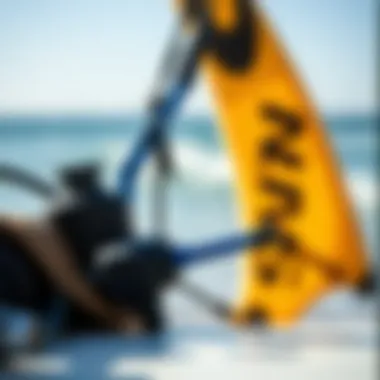
Ultimately, the right wing will depend on your skill level, typical riding conditions, and personal preferences.
Selecting the Board
Your board is the platform that connects you to the water, and its design can greatly affect your performance.
- Types of Boards: Boards come in various shapes and sizes, typically categorized as either "devil-may-care" boards that are shorter and more maneuverable or longer boards that enhance stability.
- Volume and Float: Pay attention to the volume. A board with more volume will float better, preventing you from sinking when you’re not on the hydrofoil. For beginners, a board with at least 110 liters is recommended to ease the learning curve.
- Foot Strap Locations: Compatibility of foot straps is also necessary. Experimenting with strap placement can greatly influence your balance and control while riding, so choose a board that allows flexibility in strap positioning.
Finding a board that aligns with your body weight and style of riding will dramatically improve your experience on the water.
Foil Types: An Overview
Foils may look simple, but choosing the right one can either make or break your session on the water.
- Front Wings: The front wing is key for generating lift. Wider wings are great for beginners, providing stability and lift at lower speeds. Advanced riders may prefer thinner, longer wings for higher speeds and more tricks.
- Fuselage Length: Longer fuselages provide more stability but can be more cumbersome. Conversely, shorter models increase maneuverability, making them suited for more experienced riders who want to perform tight turns or jumps.
- Stabilizing Fins: Don’t overlook stabilizing fins at the back. These add balance to the setup and can greatly enhance control, especially in choppy water.
Understanding these differences allows you to match your foil with your skill level, desired riding style, and the conditions you typically encounter.
"Selecting the right equipment is like choosing the right tools for the job. It can define your entire experience on the water, turning challenges into exhilarating moments and ensuring safety while you explore."
In summary, the essential equipment for wing foil surfing is not just about the thrill; it’s about ensuring that you are set up for success. With the right wing, board, and foil, you lay down the foundation for a satisfying and exhilarating experience on this growing water sport. For further insight, resources like Wikipedia can provide additional context and depth to your understanding.
Techniques for Successful Wing Foiling
Wing foiling may seem like a dance on water, but to really make the most of it, mastering certain techniques is essential. Understanding how to properly take off and land can set the stage for a remarkable experience on the waves. Furthermore, carving and turning techniques allow riders to navigate their environment with finesse and style. Lastly, advanced maneuvers can elevate a rider's skill level from basic to impressive, bringing an exhilarating edge to every session. By focusing on these key elements, riders not only enhance their proficiency but also significantly boost their enjoyment. Let's dive into the distinct techniques that shape this thrilling sport.
Mastering Takeoff and Landing
Takeoff and landing are arguably the most crucial moments in wing foiling. A successful takeoff launches you into the freedom of gliding across water, while a seamless landing provides satisfaction and safety.
Key Elements:
- Start on flat water or gentle waves where there's less chop.
- Position your feet correctly on the board; front foot at the mast area, back foot near the tail.
- As you begin to build speed, keep your weight centered. Lean slightly forward to gain lift from the foil.
- Use the wing’s power to initiate ascent by gently pulling back on the handles. This maneuver allows you to rise above the surface.
Landing involves:
- Gradually reducing speed as you approach the surface.
- Shifting weight on the board to balance yourself and the foil, which helps to maintain control.
"The key is to keep calm and maintain your composure. Rushing the landing only increases the chance of a spill."
Carving and Turning Techniques
Once airborne, the next challenge is navigating the water. Carving and turning on a foil requires not just balance but also a sense of timing and responsiveness.
Tips for Effective Carving and Turning:
- Begin by shifting your weight onto your toes or heels as you approach a turn.
- Keep the wing angled to find the right power push; a slight angle will allow the wind to keep the wing aloft.
- Apply pressure on the mast foot when initiating the turn, and gradually shift your weight to execute a smooth arc.
- Timing is essential. Anticipate your turn and smoothly adjust your direction to avoid abrupt movements that could lose the foil’s lift.
Remember:
Carving isn’t just about sharp turns; it’s about maintaining momentum and flow throughout the ride.
Advanced Maneuvers
For those who have mastered the basic techniques, it’s time to explore advanced maneuvers. These initiatives not only ramp up the thrill factor but are also impressive to showcase.
Advanced Tricks to Explore:
- Duck Tack: A maneuver requiring the rider to switch hands without losing speed or altitude.
- Jibe: This technique involves turning while maintaining power, executed with style.
- Back Loop: Not for the faint-hearted, this move requires you to jump and rotate mid-air, landing back on your foil.
Practice makes perfect:
Achieving these maneuvers demands not only skill but also a willingness to fall and learn. Gradual progression and setting small goals help bridge the gap between simplicity and complexity in your skill set.
Wing foiling embodies both art and science. By honing techniques that shape takeoff, landing, carving, and advanced maneuvers, riders can embrace the lifestyle and community surrounding this unique sport. Each session on the water brings new learning experiences, reinforcing the importance of practice and patience in mastering this exhilarating pursuit.
Safety Considerations and Best Practices
Engaging in wing foil surfing is not just about the thrill of gliding over water or harnessing the wind; it also comes with its fair share of risks. Understanding safety considerations is paramount for not only securing your own safety but enhancing the experience for others on the water.
When you take to the waves, you're battling different elements—strong winds, unpredictable currents, and potential hazards beneath the surface. If you’re not careful, even the most skilled rider can find themselves in precarious situations. Knowing what to watch out for helps to mitigate these risks. Let’s break it down step by step.
Understanding Risks and Precautions
Wing foiling, while exhilarating, has inherent risks that necessitate proper precautions:
- Weather Conditions: Always check the weather. High winds can turn a fun day into a battle for survival. Know your limits; if winds exceed your comfort level, it might be best to stay ashore.
- Gear Inspections: Before you hit the water, inspect your gear. Look for any wear and tear on the wing's seams, board stability, and foils. A hidden weakness can spell trouble at any moment.
- Location Awareness: Familiarize yourself with the spots you choose. Not every beach or water body is suited for wing foiling. Some areas may have hidden rocks, sharp reefs, or boat traffic that could increase risks.
"Better safe than sorry" isn’t just a saying; it’s a mantra that can save lives.
- Self-Rescue Techniques: Invest time in learning self-rescue methods. Should the unexpected happen, knowing how to regain control or manage your gear can be the difference between a harrowing scenario and a smooth return to safety.
Environment Awareness
While safety for oneself is essential, being mindful of the broader environment is equally important. Wing foiling can have an impact beyond just the thrill of riding those waves.
- Wildlife Protection: Many wing foiling spots are also home to unique marine life. Whether it's a nesting area for birds or a habitat for fish, keeping your distance from wildlife is crucial. Disturbing these natural settings can have long-lasting consequences.
- Beach Ecology: Be aware of the beaches you use for launching and landing. Avoid trampling on delicate dune systems or vegetation that help to protect the coastline.
- Waste Management: Always clean up after yourself. Leave nothing but footprints. Any trash or discarded gear left behind can detract from the natural beauty and safety of the environment you love to explore.
By prioritizing safety and actively considering your environmental impact, you not only protect yourself but also help preserve the beauty of the locations you enjoy. Embracing these practices leads to a more sustainable future for wing foiling, allowing generations to come the chance to experience the same joys of the sport. Consider these elements as cornerstones of your wing foiling experience.
Comparing Wing Foiling with Traditional Surfing
When one looks at wing foiling and traditional surfing, a deep and fascinating conversation emerges. It’s not just about riding the waves, but about the experience of connection with the water and the wind. Both disciplines have their own charm, yet they share some common threads. For those who dabble in both, understanding these similarities and differences adds layers to their surfing experience.
Similarities in Techniques
At first glance, both forms rely heavily on balance and body position. Riders in both sports must cultivate a keen sense of awareness regarding their environment. Whether you are manipulating the wing or gliding on a surfboard, the dance with nature remains prevalent. Here are some key similarities that stand out:
- Body Mechanics: Riders need to maintain a low center of gravity, whether standing on a board or a foil. This stability is essential for effective maneuvers in both sports.
- Wave Riding Skills: Both sports demand an understanding of wave patterns. A surfer looks for the right wave, while a wing foiler seeks out a windier spot to catch some lift.
- Turning Techniques: The act of carving turns is a fundamental skill in both disciplines. In wing foiling, it’s about balancing the wing against the wind while in traditional surfing, it's all about leveraging the wave’s energy.
These shared skills can help enthusiasts seamlessly transition between the two experiences, drawing parallels that enrich their surfing journey.
Differences in Equipment
While some techniques may align, the equipment used in wing foiling and traditional surfing sharply diverges. Here’s what sets them apart:
- The Wing: A defining aspect of wing foiling is the wing itself. It acts as a sail powered by the wind, lifting the rider off the water. Traditional surfing, on the other hand, utilizes a solid board without any sails or inflatable components.
- Foil: The foiling mechanism, with its distinct components, is unique to wing foiling. It comprises wings below the water line that create lift, allowing riders to glide smoothly over surfaces. Traditional surfers solely depend on the buoyancy of their boards to stay afloat, navigating waves without foils.
- Board Design: The boards differ immensely in shape and functionality. Wing foiling boards tend to be shorter and flatter, designed for stability during take-offs and landings. In contrast, traditional surfboards vary widely in shapes - longboards, shortboards, fishes, and more, each tailored to specific surfing styles.
Ultimately, the contrast in equipment reflects the unique demands and experiences that each sport delivers.
Both wing foiling and traditional surfing harbor rich, thrilling experiences on the water, but understanding the nuances between them can elevate one’s appreciation and skill in either discipline.
For more information on the technical aspects and cultural nuances of each sport, check out Wikipedia and join community discussions on Reddit or even Facebook to connect with fellow enthusiasts.
The Wing Foiling Community
The growth of wing foiling can be largely attributed to its vibrant community. This collective of enthusiasts and riders is not only passionate about the sport but also dedicated to sharing knowledge and experiences. In a world where various water sports often compete for attention, the shared love for wing foiling creates a unique bond among participants. Through connections forged in the water and on land, the wing foiling community plays a crucial role in fostering skill development and sport promotion.
Connecting with Other Riders
One of the most significant advantages of being part of the wing foiling community lies in the connections formed with fellow riders. Local meetups and online groups provide ample opportunities to engage with fellow enthusiasts. For instance, joining a Facebook group dedicated to wing foiling or participating in discussions on platforms like Reddit allow individuals to ask questions, seek advice, or simply share experiences."
The relationships built through these connections help new riders learn faster by getting tips from seasoned foilers. Whether it’s in a chat about the latest gear or tips on mastering a tricky maneuver, the collective wisdom of experienced riders can make a world of difference for someone just starting out. Plus, having a buddy to hit the water with can levarage motivation and can turn practice into an enjoyable social event.
Moreover, riders often gather at popular spots for informal sessions, allowing everyone to share techniques and showcase personal progress. This camaraderie is essential for building confidence.
Events and Competitions
The wing foiling community also thrives on events and competitions. These gatherings do not just promote friendly competition; they create avenues for showcasing talent and celebrating achievements. Events can range from fun local contests to international championships. Participating in these events provides an adrenaline rush beyond regular outings. For spectators, witnessing various techniques and styles can also inspire and motivate.


Many competitions emphasize inclusivity, welcoming both novice and experienced riders. For example, events held by organizations like the World Wing Foil Association encourage riders of all skill levels to show up and compete. This setup nurtures a friendly atmosphere where everyone's effort is recognized.
Moreover, competitions often feature workshops or clinics led by seasoned pros. Riders have the chance to gain invaluable insights into advanced techniques, gear adjustments, and safety practices.
"A rising tide lifts all boats." In this sport, sharing knowledge is key to elevating the entire community's level of skill and enthusiasm.
To learn more about local events or connect with riders, you can check out platforms like Facebook or community threads on Reddit that cater specifically to wing foiling discussions. Additionally, keeping an eye on official event pages on Eventbrite can keep you looped in on upcoming competitions.
Environmental Impact of Wing Foiling
Understanding the environmental impact of wing foiling is crucial for the sustainability of the sport and the preservation of our aquatic ecosystems. Given the rising popularity of wing foiling, there are growing concerns about how it interacts with natural environments and local wildlife. This section delves into sustainable practices and community-driven advocacy aimed at minimizing negative influences while promoting enjoyment of this exciting water sport.
Sustainable Practices
Wing foiling can be a relatively low-impact water sport compared to more traditional forms. However, that doesn't mean it’s free from environmental concerns. Here are crucial sustainable practices that riders can implement to lessen their ecological footprint:
- Choose Eco-Friendly Gear: Opt for gear made from sustainable materials. Some brands focus on minimizing their ecological footprint by using recyclable components and environmentally friendly manufacturing processes. Researching the brands and understanding their production methods is key.
- Practice Leave No Trace Principles: Riders should remove any waste they produce at beaches or on water. This includes packing out trash and being mindful of personal belongings that might otherwise pollute the area.
- Be Mindful of Local Wildlife: Respect wildlife habitats. When riding, avoid areas where marine animals are likely present. Observing from a distance helps lessen stress on local ecosystems.
- Limit Fuel Usage: When transporting gear to and from locations, consider carpooling or using more fuel-efficient vehicles to minimize carbon emissions.
- Stay Informed about Local Regulations: Many locations have specific rules regarding where water sports are permitted. Abiding by these regulations can help preserve ecosystems and maintain community support for water activities.
By integrating these practices, wing foilers can contribute to a healthier environment, ensuring that they can ride the waves for many years to come.
Environmental Advocacy within the Community
The wing foiling community is increasingly engaged in environmental advocacy efforts aimed at safeguarding aquatic environments. This activity not only enhances the sport's reputation but also fosters a culture of care and responsibility among enthusiasts. Here are ways the community is stepping up:
- Organizing Clean-Up Events: Many local clubs host beach clean-up days. These initiatives not only clear litter but also raise awareness among riders about the impact of human activity on marine ecosystems.
- Collaborating with Environmental Organizations: Partnerships with non-profits focused on environmental conservation provide resources and knowledge, helping riders to understand how to best advocate for marine environments.
- Sharing Information and Resources: Online forums and social media platforms, such as Reddit and Facebook groups for wing foilers, can be great places for discussions about sustainability. Riders often share tips, stories, and success stories related to environmental advocacy.
- Promoting Marine Protected Areas: By supporting policies that establish marine sanctuaries, riders can help protect critical habitats. This not only preserves biodiversity but also maintains the quality of water where they enjoy their sport.
"Engaging in environmental advocacy ensures that future generations of wing foilers can enjoy the beauty of our oceans while minimizing the impact they have on the planet."
The relationship between wing foiling and the environment doesn't have to be adversarial. Through conscious practices and community initiatives, riders can play a significant role in their own conservation efforts. As the sport continues to flourish, the commitment to environmental stewardship remains essential in maintaining a balance between adventure and sustainability.
Future Trends in Wing Foil Surfing
The future of wing foil surfing is as exciting as it is promising, reflecting the innovation and evolution of water sports. This aspect of the article explores upcoming trends that can reshape the way enthusiasts engage with the sport. By staying in tune with these developments, riders, instructors, and gear manufacturers can enhance their experience, improve safety, and even advocate for sustainability.
Innovations in Equipment Design
When we talk about innovations in equipment design, it’s vital to note that the industry is buzzing with new ideas. Manufacturers are not only refining existing gear but are also introducing cutting-edge technologies that promise to change the game. For instance, lighter materials are making wings easier to maneuver. These advancements can lead to:
- Increased Stability: Enhanced wings provide better control in varying wind conditions.
- Customizability: Riders can find wings designed for specific conditions, allowing them to maximize their performance.
- Sustainability: Some companies are now making efforts to utilize eco-friendly materials in their products.
With brands like Duotone and Naish leading the charge, many are on a quest to make boards that not only soar through waves but also respect our oceans. Innovations such as modular foils that can be adjusted based on the rider's skill level mean that what was once a steep learning curve is now more accessible. This alludes to a future where the equipment aids in safety and can enhance the surfing experience for both novices and pros alike.
Growth of the Sport Worldwide
The wing foil surfing community is blossoming globally in ways that few could have anticipated just a few years ago. The rapid growth can be attributed to several factors:
- Accessibility: As more locations begin to offer wing foiling lessons, newcomers are diving into the sport.
- Online Resources: Platforms like YouTube and various forums, including reddit.com, provide a wealth of tutorials that make learning more straightforward.
- Community Events: Local competitions and gatherings foster a sense of camaraderie, encouraging more people to try their hand at this sport.
Growth is reflected in the sheer range of events sprouting up worldwide. Countries that were once tucked away on the map are now home to thriving wing foiling scenes. From casual meet-ups to competitive showcases, there is a buzz in the air that resonates with both eager beginners and seasoned experts. This expansion not only introduces a broader audience to the thrills of wing foiling but also creates platforms for sharing ideas and techniques, ultimately driving the sport’s development.
"The winds of change are not just blowing; they're lifting our wings higher, making the waters more intereesting than ever."
Ultimately, the trends in both innovations and community growth underscore a bright future for wing foil surfing. With an ever-expanding global network and advancing technology, enthusiasts can expect richer experiences both on and off the water.
Closure
In the fast-evolving realm of wing foil surfing, wrapping up our exploration sheds light on its significance and multi-faceted nature. This article outlines not just the techniques and essential gear but also emphasizes the lifestyle and community aspects surrounding the sport. It's not merely about riding the waves or catching the wind; it’s about connecting with nature and fostering camaraderie among fellow enthusiasts.
Recap of Key Points
The key takeaways from this exploration include:
- Understanding the Sport: We defined what wing foiling is and traced its interesting history. It’s a blend of kiteboarding and surfing that has gained traction in recent years.
- Technical Insights: Knowledge about wind dynamics, proper gear setup, and the right selection of equipment enhances performance and safety on the water.
- Safety First: The risks associated with any water sport can’t be overlooked. Being aware of one’s environment and taking necessary precautions is crucial for enjoyment and longevity in the sport.
- Community Matters: Engaging with other riders and participating in events helps in skill improvement while creating a vibrant community spirit.
- Environmental Impact: Acknowledging the ecological footprint of our activities encourages sustainable practices within the wing foiling community.
- Future Developments: Advances in equipment design and the growth of the sport globally pave the way for an even brighter future.
Encouragement for Continued Exploration
For those intrigued, stepping onto a wing foil board opens a world of endless possibilities. Each session in the water serves as an opportunity for learning and growth. Whether you’re an experienced rider or a newbie, there’s always a new technique to master or a group of riders to connect with. Consider setting personal challenges to push your boundaries, or perhaps engage with local communities online, such as on Reddit or Facebook groups dedicated to wing foiling.
As you continue this journey, relish every moment spent on the water. Embrace the windy days, the sun-soaked afternoons, and even the occasional wipe-out as part of the thrilling learning curve. It’s all part of the adventure! Seek out others who share your passion; their experiences can enrich your own. Remember, in this sport, as in life, the journey is just as important as the destination.