Waves and Kiteboarding: Barbados' Surf Experience


Intro
Barbados, often regarded as the jewel of the Caribbean, is not just known for its pristine beaches or vibrant culture; it also boasts exceptional waves that attract kiteboarders from all over the globe. The island’s unique geography, alongside its favorable climatic conditions, plays a pivotal role in shaping its wave patterns. Understanding these factors is essential for anyone looking to ride the waves in this tropical paradise.
The allure of kiteboarding in Barbados surpasses mere enjoyment; it encapsulates the spirit of adventure and the pursuit of excellence. The waves here range significantly, offering various riding experiences, suitable for both novices and seasoned riders alike. Throughout this article, we’ll delve into intricate details about the waves, their characteristics, and how you can leverage this knowledge to enhance your kiteboarding experience.
With this guide, we aim to transform your kiteboarding endeavors in Barbados into an unforgettable thrill. We'll cover everything from essential equipment insights to advanced techniques that can elevate your skills. Get ready to explore the surf like never before!
The Geography of Barbados and Its Influence on Waves
Understanding the geography of Barbados is crucial when considering the diverse wave conditions that kiteboarders encounter. The way the land lies, along with its oceans, shapes not just the waves but also the experiences of those who ride them. This section highlights how geographical features, geological formations, and local ecosystems work in tandem to create a unique surfing environment.
Geological Formation of Barbados
Barbados, a small island in the Caribbean, boasts a fascinating geological history that significantly influences its wave patterns. The island is primarily composed of limestone, which has formed from coral reefs and marine organisms over centuries. This limestone bedrock creates a platform that influences wave break and leads to distinctive surfing spots.
The underwater topography around Barbados also plays a role. For instance, some areas have underwater ridges or drop-offs that interrupt incoming swells and create ideal conditions for kiteboarding. The interaction between the ocean currents and these geological features can lead to various wave types, making some spots more suitable for advanced riders while others cater to beginners. The fascinating clash of geology and hydrodynamics here demonstrates how rich the marine landscape can be.
Additionally, the island has been shaped by tectonic uplift. This slow yet relentless process impacts coastal features and contributes to the wave experiences on the southern and western coasts, where kiteboarding thrives.
Coastal Features and Their Impact on Wave Patterns
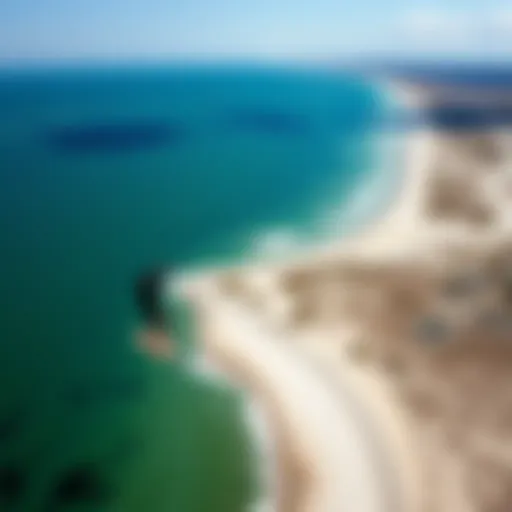
A close look at Barbados’s coastline reveals a rich tapestry of features that directly affect how waves form and break. The island’s southern coast, characterized by its sandy beaches and shallow waters, is particularly notable for its kiteboarding potential. Here, the wind often blows consistently, creating favorable conditions for riders to catch impressive waves.
Coastal features and their diversity include:
- Cliffs: The rugged cliffs found on the east coast lead to powerful waves, ideal for experienced riders seeking the thrill of challenging conditions.
- Bays: Areas such as Silver Sands provide sheltered environments where the waves are more manageable, making it an attractive spot for beginners.
- Reefs: Coral reefs along the coastline not only beautify the marine environment but also serve as natural barriers. They can modify wave height and shape, leading to varied surf experiences depending on their proximity.
Interestingly, the weather patterns also interact meaningfully with these coastal features. The trade winds blowing in from the Atlantic Ocean often pick up speed around the island, enhancing the wave action. Such winds often create a choppy surface that is different from the smooth swells known in other regions, adding an element of unpredictability for riders.
In summary, the geography of Barbados provides an intricate web of elements influencing wave behavior. From geological formations that dictate the very bedrock of the surf experience to the diverse coastal features that create unique wave patterns, each aspect weaves together to form a captivating environment for kiteboarders. Understanding these nuances is invaluable for anyone looking to master the waves on this beautiful island.
Understanding Wave Dynamics in the Caribbean
The Caribbean Sea is nothing short of a natural wonder, particularly when it comes to its wave dynamics. The interplay of wind and ocean currents not only shapes the landscape but also offers a playground for kiteboarders. Understanding these dynamics is crucial for anyone looking to take full advantage of the region's kiteboarding opportunities. When kiteboarders grasp how waves form, move, and react to changing elements, they can navigate the waters with greater skill and confidence. This comprehension translates into enhanced safety, thrilling rides, and a deeper appreciation of the environment they are engaging with.
Ocean Currents and Wind Patterns
Ocean currents in the Caribbean can be likened to the veins of the ocean, circulating warm water and influencing weather patterns. The main current that affects Barbadian waters is the North Atlantic Gyre. This current pushes warm water southwards, contributing to the formation of waves that are ideal for kiteboarding.
Wind patterns, too, play a fundamental role in wave formation. Trade winds predominantly come from the northeast, creating ideal conditions for kiteboarding. In the morning, these winds tend to be steadier, making it a prime time for both beginners and seasoned riders.
One phenomenon that kiteboarders keenly observe is the "swell versus chop" dynamic. Swell is generally more consistent and preferable as it forms larger, smooth waves. Conversely, choppy waters arise with gusty winds, creating a less predictable environment. For kiteboarders, recognizing the distinction between the two is essential:
- Swell: Long-distance waves that are more manageable and suitable for tricks.
- Chop: Short and steep waves that can make riding unpredictable and taxing.
Getting a grasp on these currents and wind patterns can be the difference between an exhilarating day on the water and a challenging one.
Seasonal Variations in Wave Conditions
Waves in Barbados aren't just a constant; they come with seasonal variations that significantly affect kiteboarding conditions. These waves evolve through different periods, mostly influenced by geographical factors and surrounding weather systems.
During the winter months, the region sees an increase in swells due to storm systems further north in the Atlantic. Riders often notice more pronounced and powerful waves, which can be both thrilling and daunting. Here are a few distinctions worth noting:
- Winter (December to February): Characterized by larger and more consistent swells. Ideal for advanced kiteboarders looking for a challenge.
- Summer (June to August): Waves tend to be smaller and less powerful, catering more to beginners and those looking for a leisurely session.
Understanding these seasonal changes allows kiteboarders to plan their trips accordingly. Choosing the right time can maximize the overall experience and skill development on the water.
In summary, grasping the ocean currents, wind patterns, and seasonal variations enhances a kiteboarder's ability to navigate the waters safely and effectively, making every ride an opportunity for growth and enjoyment.


Popular Kiteboarding Spots in Barbados
In Barbados, the allure of kiteboarding is closely linked to its prime spots, each offering unique experiences and challenges. These locations are not just about the thrill; they provide a blend of breathtaking views, suitable wind conditions, and a community of fellow enthusiasts. Whether you're a newcomer to kiteboarding or a seasoned pro, understanding these hot spots can greatly elevate your adventure while ensuring safety and enjoyment.
Silver Sands
Silver Sands stands tall as a kiteboarding paradise, cherished for its consistent winds and gentle waves. The area is marked by its wide sandy beach, making it the ideal starting point for kiteboarders.
The open sea here allows for plenty of space to launch, and the conditions are often forgiving, which is especially beneficial for beginners trying to get their bearings. During the winter months, the trade winds kick in, turning this location into a hotspot for riders looking to catch some thrills. Additionally, Silver Sands hosts various schools where instructors offer lessons for all skill levels, ensuring that everyone can dive into the excitement safely.
"Silver Sands is delightful; if the sun’s shining and the breeze is right, there's no place like it for kiteboarding."
St. Peter's Beach
St. Peter's Beach is another gem, especially known for its more challenging conditions that attract experienced kiteboarders. Flanked by verdant cliffs and clear blue waters, this beach provides a backdrop of unparalleled beauty.
The waves here have a bit more bite, which can provide a thrilling experience for those looking to test their skills. Early mornings are especially popular among riders as the winds are calmer, allowing for a more enjoyable ride. The well-placed sandbars also create perfect conditions for jumps and tricks, which many kiteboarders relish. With several local spots offering gear rentals and rentals, you can easily grab what you need to embark on your adventure.
Freights Bay
Freights Bay is what you might call the hidden jewel of kiteboarding in Barbados. Unlike the more crowded spots like Silver Sands, this area offers a bit more serenity, perfect for those who prefer a less frenetic atmosphere. Known for its flat water and occasional swell, it's particularly inviting for freestyling.
Freights Bay has a reputation for its smooth surface, ideal for practicing tricks, making it a favorite among advanced riders. The surrounding natural beauty—lush trees and soft sands—enhances the experience, almost as though nature itself is cheering you on as you ride. Be mindful of the local wildlife, particularly during nesting seasons, as the area is known for its natural marvels as well as its water sports.
Waves and Their Effect on Kiteboarding
Kiteboarding in Barbados is a dance with nature, where waves play a crucial role in shaping every ride. Understanding the relationship between waves and this exhilarating sport is essential for both novice and seasoned riders. Waves offer not just a playground but also a set of challenges that can enhance or hinder the kiteboarding experience. The varying wave conditions dictate the techniques employed, the type of equipment recommended, and even the safety measures that must be considered. This guide seeks to illuminate the nature of waves in Barbados and their undeniable impact on the kiteboarding journey.
Types of Waves: Choppy vs. Swell
When it comes to kiteboarding, not all waves are created equal. Two predominant wave types frequent the shores of Barbados: choppy and swell.
- Choppy Waves: These are the result of strong winds and smaller wind swells. Choppy waves and their unpredictable nature can make riding a bit of a wild ride. For riders, this can mean shorter, sharper jumps and more frequent disruptions in balance, which requires adaptability in technique and greater attentiveness.
- Swell Waves: On the other hand, swell waves are typically larger and smoother, formed by distant storm systems that generate consistent, rolling waves. Riding on a swell allows for seamless runs and more substantial jumps. The rhythmic rise and fall of swell waves can create the ideal conditions for maneuvers, allowing kiteboarders to link tricks effortlessly.
"Understanding the difference between choppy and swell waves is as vital as knowing your kite's settings."
With this knowledge, riders can tailor their approach, choosing the right day for the right type of action.
Adapting Techniques for Varying Conditions
As much as the waves define the ride, it’s the rider’s adaptability that defines success on those waves. Here’s how one can adjust their techniques to harmonize with the conditions:
- For Choppy Waves:
- For Swell Waves:
- Keep your knees bent; this can help absorb the shocks of the surface and maintain control.
- Use shorter lines if possible; this brings the kite closer and adds responsiveness during critical moments.
- Focus on speed and momentum to cut through the chop rather than relying solely on height for jumps.
- Timing is essential; watch the wave pattern and launch at the peak of a swell.
- Utilize longer lines for more airtime during jumps, allowing for extended glide.
- Engage the board’s edge to carve smoothly from peak to peak, taking full advantage of the swell’s energy.
The key to kiteboarding in Barbados lies in recognizing the wave patterns and altering techniques accordingly. Embracing the waves rather than resisting their intent can lead to a more rewarding experience, allowing individuals to take full advantage of what’s on offer.
In summary, the waves of Barbados present diverse challenges and thrills, forming the backbone of the kiteboarding experience. Whether dealing with chop or swell, understanding how to adapt remains paramount to mastering the surf.
Safety Considerations while Kiteboarding
Safety is paramount when it comes to kiteboarding, especially in a place like Barbados where the waves can stir up unexpectedly. Knowing how to navigate the surf isn't just about skill on the board; it's about ensuring your own well-being and that of others around you. This section covers the fundamental elements of kiteboarding safety, enhancing your enjoyment of the sport while minimizing risks.
Understanding Rip Currents
Rip currents can be deceptive, appearing as calm channels in choppy waters. These swift currents can pull even the most seasoned kiteboarders off course. They usually form around sandbars or at the points where waves break. To stay safe, one must be able to identify these areas and respond appropriately. Here are some tips to help you:
- Look for signs: Foamy water, a difference in color, or a low tide area can hint at rip currents.
- Don’t panic: If caught in one, maintain your calm. Swim parallel to the shore until you’re out of the current's grip, then head back to the beach at an angle.
- Watch for others: If other kiteboarders are seen struggling, it’s a good idea to notify a lifeguard if one is available.
"Rip currents can be likened to sneaky devils - you might think you’re on solid ground until they pull you under. Knowing how to spot them is half the battle."
Equipment Checks for Safety
Before any session on the water, running through a thorough equipment check is essential. Kiteboarding gear should be in tip-top shape to avoid mishaps during your ride. Here’s a handy list to keep in mind:
- Kite Integrity: Inspect the fabric for any signs of wear, tears, or leaks. A solid kite makes all the difference in handling.
- Lines and Bar: Check that all lines are untangled and secured properly. Look for frays or any signs that they need replacing.
- Safety Release: Ensure that your safety release mechanism functions as expected. This is your lifeline if things go wrong.
- Board Binding: Make sure bindings are secure and fit well. You want to avoid a situation where you’re separated from your board in the water.
Performing these routine checks can significantly reduce risks and enhance your kiteboarding experience in Barbados' diverse surf conditions.
Selecting the Right Equipment for Barbados Waves
When it comes to kiteboarding, the right equipment can make or break your experience, especially when navigating the unique wave conditions of Barbados. Selecting the proper gear not only enhances your performance but also ensures safety and enjoyment on the water. The interplay between kite size and board type plays a crucial role in optimizing your ride, accommodating the variable conditions present in the Caribbean sea.
Choosing the Correct Kite Size
Kite size is foundational to your kiteboarding success. The choice hinges on a variety of factors, including wind speed, rider weight, and water conditions. In Barbados, wind can be unpredictable, shifting from gentle breezes to more robust gusts within the same day. Therefore, choosing a kite that complements these changing dynamics is vital.
- Wind Conditions: It's important to consider the average wind speeds on the day you plan to kitesurf. For lighter winds (10-15 knots), larger kites, usually in the range of 12-15 meters, might be necessary. In contrast, when wind speeds are 20 knots or more, smaller kites of 7-9 meters become optimal, allowing for better control and responsiveness.
- Rider's Weight: Another consideration is your body weight. Heavier riders may need larger kites to harness sufficient lift, while lighter riders can effectively use smaller kites, even in similar wind conditions. This makes a personal fit all the more important, as it tailors your kite experience to your capability.
- Skill Level: Beginner kiteboarders might favor a larger, more stable kite to help them learn the ropes, while intermediate and advanced riders could opt for smaller kites that facilitate tricks and maneuvers. As the saying goes, "Practice makes perfect," and equipping yourself with the right kite will certainly aid in that pursuit.
"The kite you fly can determine how high you rise – both above the waves and in skill!"
Board Selection Based on Wave Conditions
Selecting the right board is just as critical as choosing the kite. Numerous factors influence your board choice, particularly the type of waves you’ll face in Barbados. The more you know about how the waves behave, the better your ride.
- Wave Height and Type: On days when the waves are choppy, a board with a wider and shorter design is better suited. This gives added stability and control. Conversely, on days with smooth, rolling waves, a longer and narrower board can help optimize speed and carving turns.
- Your Riding Style: Freestyle riders may prefer boards that provide more pop and responsiveness, allowing them to execute those flashy jumps. Wave riders, on the other hand, might lean towards a board that offers more grip and control for cutting through the water. Whatever your style, matching the right board to it can profoundly enhance your enjoyment.
- Construction Material: Materials used in boards can also affect performance. Generally, boards made of durable materials withstand harsher conditions better, prolonging their lifespan. Look for boards made from materials like fiberglass or carbon fiber for a balance of strength and weight.
As you tailor your gear to your environment and preferences, remember that the right equipment not only elevates your performance but also enriches your overall kiteboarding experience. When in doubt, consult local experts or instructors who possess intimate knowledge of the area.
For further tips on equipment and kiteboarding techniques, resources like Kiteboarding.com or the subreddit r/Kiteboarding can provide invaluable advice.
Kiteboarding Etiquette in Barbados
Kiteboarding draws enthusiasts from around the globe, and the waters of Barbados are no exception. However, as alluring as the waves may be, understanding and adhering to kiteboarding etiquette in Barbados is crucial. Not only does it ensure a safer environment for all riders, but it also fosters a sense of community and respect among local and visiting kiteboarders. Without proper etiquette, the vibrant and enjoyable experience of kiteboarding can quickly turn into a dangerous situation.
The importance of kiteboarding etiquette cannot be overstated. A few unthoughtful actions can lead to accidents, grievances, and ultimately, a diminished enjoyment of the sport. When everyone respects these unwritten rules, the atmosphere becomes more welcoming and harmonious, and kiteboarders can relish their time on the water without unnecessary conflicts.
Respecting Local Riders
Barbados is home to a number of experienced kiteboarders who know their local spots like the back of their hands. By respecting local riders, you're not only fostering a harmonious atmosphere but also enhancing your own experience. Local kiteboarders can offer invaluable insights regarding the unique conditions of various spots, such as best times to ride, prevailing winds, and hazards to watch out for.
Here are some ways to show respect for local riders:
- Give space: When you see locals riding, maintain a respectful distance. This shows appreciation for their space and allows them to maneuver freely without concern.
- Ask for advice: If you have questions about conditions or local practices, don’t hesitate to ask. Locals generally appreciate newcomers seeking knowledge and are often willing to lend a helping hand.
- Participate in local events: Engage in local competitions or community events. It helps build relationships and respect among riders.
Barbados has a rich kiteboarding community, so becoming a part of it can enrich your experience and your riding skills.
Understanding Water Rules
Every kiteboarding location has its unique set of water rules, and Barbados is no different. Familiarizing yourself with these rules not only ensures your safety but also the safety of those around you. Understanding these guidelines can prevent potentially harmful situations and will keep the waves open for everyone.
Some essential water rules to keep in mind include:
- Right of way: Gaining clarity about the right of way is paramount. Generally, the rider who is downwind has the right of way. Knowing this can help avoid collisions.
- Refrain from crowding: If a section of the water has a lot of riders, seek a less crowded space. Overcrowding can lead to accidents and conflict.
- Equipment checks: Before heading out, ensure your equipment is in good shape. Broken lines or malfunctioning kites can create dangerous situations for yourself and others.
Always remember, the ocean is a shared space. Practicing respect and understanding of the local customs will not only make your experience more enjoyable but will also uphold the integrity of kiteboarding in Barbados.


Learning and Training Opportunities
When it comes to kiteboarding in Barbados, learning opportunities are as varied as the waves themselves. Whether a novice or an experienced rider seeking to refine their skills, finding the right avenue for education is crucial. The landscape of kiteboarding is ever-evolving, so the importance of training cannot be understated. Equipped with the correct knowledge and skills, riders can not only enjoy their time on the water but also ensure safety and effective techniques.
Local Schools and Instructors
In Barbados, several local schools offer quality instruction tailored to different skill levels. Being physically present with an instructor allows for immediate feedback and hands-on experience, which is invaluable for beginners. These schools, such as the Riptide Sports School and the Kite Surf Barbados School, not only provide equipment but also teach about local conditions, ensuring riders understand the unique wave patterns.
Some benefits of seeking local instruction include:
- Safety First: Expert instructors emphasize safety protocols, ensuring that students are fully aware of potential hazards, like unexpected wind shifts.
- Personalized Techniques: Each rider has unique needs, and local instructors can customize lessons to fit individual proficiency levels.
- Local Knowledge: Instructors familiar with Barbados' waters can offer insights that are not typically available through online resources, such as tips on navigating local currents and avoiding crowded areas.
Online Resources for Beginners
For those who may not have the opportunity to attend a local school or prefer to learn at their own pace, a wealth of online resources can serve as a great starting point. Websites like Kiteboarding.com and The Kiteboarder Magazine feature countless articles, tutorials, and virtual lessons designed to cater to beginners. YouTube also serves as a treasure trove of instructional videos, offering visual learners practical demonstrations.
It's important to rely on trustworthy content to ensure that the information is accurate and can effectively aid in skill development. Here’s how to get the best out of online resources:
- Utilize Forums: Engaging with platforms like Reddit's kiteboarding community can provide real-world insights and recommendations from fellow kiteboarders.
- Follow Industry Leaders: Many professional riders and instructors share their experiences and knowledge on social media platforms, making them accessible and relatable.
- Combine Learning Methods: While online resources are helpful, they should ideally supplement in-person training. The combination of visual, theoretical learning and practical application on the water can expedite skill acquisition.
In summary, whether opting for local instruction or exploring online resources, investing time in learning is vital. It enhances both the enjoyment and safety of kiteboarding in the captivating waters of Barbados.
Environmental Considerations
Kiteboarding is more than just a thrilling sport; it’s deeply entwined with the natural world surrounding us. The environment where kiteboarders glide needs to be preserved, and it’s crucial to understand how our actions impact the coastlines and waters of Barbados. This island not only offers stunning waves conducive for kiteboarding but also rich marine ecosystems, which makes environmental considerations essential for both the sport and the local ecology.
Importance of Marine Conservation
Marine conservation is vital, especially in areas frequented by water sports enthusiasts. The waters around Barbados are home to diverse wildlife, including turtles, rays, and a variety of fish species. Kiteboarding and other activities can negatively affect these creatures if not done respectfully. Protecting these marine habitats ensures that future generations can enjoy them just as we do today. Here are a few essential reasons to champion marine conservation:
- Biodiversity Support: Healthy ecosystems contribute to the richness of marine life. Every rider should take a moment to appreciate the balance of life that exists beneath the waves.
- Coastal Protection: Coral reefs and mangroves act as natural barriers against erosion and storm surges. Thus, maintaining these areas can also safeguard the beaches where we kiteboard.
- Ecotourism: Sustainable practices encourage more visitors who are keen on natural beauty and environmental education. Keeping our waters pristine can boost local economies through ecotourism.
Involvement in conservation efforts can take various forms—participating in beach clean-ups or being mindful about not disturbing wildlife while riding can go a long way in protecting these vital ecosystems. Remember, every small action counts.
Sustainable Kiteboarding Practices
Sustainability and kiteboarding can coexist harmoniously if efforts are made to respect the environment. Here’s how kiteboarders can minimize their impact:
- Choose Eco-Friendly Gear: When selecting equipment, look for brands that prioritize sustainable materials and manufacturing processes. Some companies are already setting a benchmark for eco-conscious practices.
- Limit Disturbance to Wildlife: It’s crucial to be aware of local wildlife patterns and breeding seasons. Avoid kiteboarding in areas known to be habitats for sensitive species during these times.
- Follow Local Regulations: Many beaches have guidelines on where and when kiteboarding is permitted. These rules are often in place to protect both participants and the surrounding ecosystems.
- Educate Others: Share your knowledge about sustainable practices with fellow enthusiasts. The more kiteboarders advocate for environmentally friendly behaviors, the greater the impact will be.
"The forces of nature are our playground, so it’s our responsibility to ensure they remain unspoiled for future adventurers."
Sustainable kiteboarding not only benefits the environment but also enhances the overall experience for riders. Imagine gliding across waters that remain crystal clear and thriving with life. By consciously practicing kiteboarding with an environmentally friendly mindset, we also secure the longevity of our beloved sport.
Whether it’s about participating in local conservation efforts or simply making smarter gear choices, every kiteboarder in Barbados has a role to play. The interplay between adventure and responsibility is crucial—a balance that all thrill-seekers should uphold to ensure the waves remain inviting and the marine life thrives.
Culmination: Embracing the Waves of Barbados
The essence of kiteboarding in Barbados goes beyond mere thrills and spills on the water. This conclusion encapsulates the rich tapestry of experiences one can have while harnessing the power of the waves amidst the sights and sounds of this Caribbean paradise. As we reflect on the various aspects discussed in this article, it is clear that understanding the waves not only enhances a rider's skills but also fosters a deeper appreciation for the natural beauty surrounding them.
Kiteboarders, both seasoned and newcomers, benefit immensely from grasping the local wave dynamics and environmental considerations. By acknowledging the nuances of each spot—from the choppy waters of some beaches to the more serene swells—you can tailor your approach effectively. This knowledge empowers riders to make informed decisions, increasing not just their safety but also their overall enjoyment.
The Future of Kiteboarding in Barbados
Looking ahead, the future of kiteboarding in Barbados appears to be bright. With an increase in both interest and participation, there's a growing community eager to embrace the exhilarating challenge of kiteboarding. Local schools are ramping up efforts to provide quality instruction, ensuring that upcoming generations of kiteboarders are not just skilled but also environmentally conscious. This focus aligns well with the increasing global emphasis on sustainability.
Moreover, as kiteboarding evolves with advancements in technology, equipment options continue to improve, making the sport more accessible. Riders are likely to see innovations that allow for better performance in varying wave conditions, making it easier to adapt and excel, regardless of experience level.
In summary, embracing the waves of Barbados means not only riding the surf but also participating in a larger narrative about community, sustainability, and adventure. Riding those waves fosters a connection with nature and cultivates respect for the ocean, ensuring that Barbados remains a premier kiteboarding destination for years to come.
"To ride the waves is to dance with nature, inviting each movement into a harmonious embrace."
For further resources on kiteboarding and local conditions, you can check out these sites:
- Wikipedia on Kiteboarding
- Britannica on Surfing
- Join discussions on Reddit Kiteboarding Community
- For updates, visit the official Barbados Tourism Board
In leveraging the beauty of Barbados’ waves, kiteboarding enthusiasts can look forward to a rich future filled with exhilarating rides, wonderful community camaraderie, and a sustainable approach to enjoying the unique environment that this island offers.