Essential Insights on Choosing Kiteboard Life Jackets
Intro
Kiteboarding offers a unique intersection of speed, skill, and sea, but the thrill can be overshadowed without the right safety measures. Among the essential pieces of equipment that every kiteboarder should consider is the life jacket. These jackets are not just a regulatory formality; they play a vital role in ensuring your safety on the water. As any seasoned rider will tell you, the right life jacket can make a world of difference, whether you're carving through waves or navigating choppy seas.
Life jackets have come a long way from their earliest designs. They’ve evolved into sophisticated pieces of gear that balance safety with comfort and functionality. For kiteboarders, where agility and movement are crucial, choosing the right jacket can enhance performance and peace of mind. In this guide, we will unpack the myriad aspects of kiteboard life jackets, focusing on their importance, features to look out for, and the continuous innovations reshaping their design.
We’ll also dive into equipment insights, exploring the latest gear reviews and offering maintenance tips. After all, proper upkeep is the backbone of safely enjoying your kiteboarding adventures. With this knowledge, kiteboarding enthusiasts—whether you’re just dipping your toes in or are a seasoned wind chaser—will be well-equipped to make informed decisions that enhance their time on the water.
Let’s take a closer look.
Understanding Kiteboard Life Jackets
Kiteboarding is more than just a thrilling ride on the water; it intertwines skill, passion, and of course, safety. Understanding kiteboard life jackets is essential for anyone stepping onto the water with a kite in hand. These jackets are not only life-saving devices, they also contribute significantly to a kiteboarder's overall experience.
Life jackets serve as a primary reassurance, allowing riders to tackle challenging conditions with confidence. Especially when attempting jumps or navigating through choppy waters, the knowledge that you can stay afloat if you fall makes all the difference. For new riders, this added peace of mind can make an intimidating sport feel more approachable.
Two primary considerations stand out when discussing kiteboard life jackets: functionality and comfort. A jacket that restricts movement can negatively affect a rider's performance, which is why it's imperative to find a balance between buoyancy and ease of motion. They should feel like a second skin, allowing for the freedom to twist and turn while being buoyant enough to keep you safe. Also, conditions can change in a heartbeat. A jacket should cater to varying circumstances, from speedy winds to unexpectedly calm waters.
The Role of Life Jackets in Kiteboarding
Life jackets play a fundamental role in safeguarding the well-being of kiteboarders. This role stretches beyond mere compliance with regulations; it encompasses a broader responsibility toward maintaining a culture of safety within the sport. The primary purpose of a life jacket is to keep a rider afloat in case of capsizing or accidental falls. The risk of the unexpected is ever-present in kiteboarding, making it paramount to wear an appropriate life jacket.
Moreover, whether it’s a novice learning the ropes or an experienced rider experimenting with complex moves, each kiteboarder faces unique risks. The unpredictable nature of water sports adds an additional layer of complexity. An effective life jacket provides much-needed buoyancy that preserves energy and makes recovery easier in those moments when the kite completely takes a dive.
Regulatory Safety Standards
Adhering to safety standards is crucial for any kiteboarder. Many areas have guidelines mandated by organizations like the U.S. Coast Guard or equivalent local authorities. Ensuring that your life jacket meets these requirements not just complies with the law—it also assures you of the quality and dependability of your equipment.
Most notably, look for certifications marked by the Underwriters Laboratories (UL) or the American National Standards Institute (ANSI). These labels signal adherence to stringent safety measures and testing protocols. Familiarity with the specific requirements within your region can have broader implications, potentially impacting local insurance policies or participation in organized events.
Being equipped with this knowledge is paramount. Legal compliance not only enhances individual safety but also contributes positively to the kiteboarding community’s reputation as a responsible collective. Therefore, knowing the exact safety standards is not merely academic; it is a vital component of the kiteboarding lifecycle.
"When you hit the water, the best thing you can have on is a life jacket that you can trust. It's really about choosing wisely and understanding your environment."
Key Features to Look For
When it comes to kiteboarding, safety is paramount, and selecting the right life jacket plays a crucial role in ensuring a secure and enjoyable experience on the water. Understanding the key features to look for in a kiteboard life jacket is essential. These features not only enhance safety but also contribute to the overall performance and comfort of the equipment. Here’s what to keep in mind:
Buoyancy Levels Explained
Buoyancy is perhaps the most significant factor when assessing life jackets. The buoyancy level determines how well the jacket can keep you afloat in the event of a fall into the water. Different jackets are rated according to their buoyancy, typically expressed in Newtons or in specific classifications that delineate light, medium, and high buoyancy levels.
- Light Buoyancy - Typically around 50 Newtons, suitable for calm waters and beginners. It offers minimal support, which may not be adequate in rougher conditions.
- Medium Buoyancy - Around 100 Newtons, this level is ideal for moderate conditions and intermediate kiteboarders. It strikes a balance between mobility and support.
- High Buoyancy - These jackets provide over 150 Newtons and are recommended for those engaging in extreme conditions or racing. They ensure maximum safety but may limit movement.
Choosing the right buoyancy level can make all the difference. If you’re just starting, opting for a jacket with medium buoyancy is a wise choice, but those venturing into uncertain waters should consider high-buoyancy options for that extra peace of mind.
Material Considerations
The material of a life jacket influences not just its durability, but also its comfort and performance. Typically, jackets are made from a combination of neoprene, nylon, or polyester.
- Neoprene is popular for its flexibility and thermal insulation properties. It hugs the body snugly, making it ideal for colder waters but can be less breathable.
- Nylon and polyester jackets offer a lightweight alternative that dries quickly and is often more breathable. However, they tend to lack the warmth that neoprene provides.
Moreover, look for jackets that incorporate ripstop technology, which resists tearing during vigorous activity. This can significantly extend the life of the jacket. Always pay attention to the stitching as well, as well-finished seams can prevent water from seeping in.
Fit and Comfort Factors
Fit cannot be stressed enough when it comes to life jackets. A poorly fitting jacket can lead to issues ranging from discomfort to safety hazards. Here are some considerations:
- True to Size - Always check the sizing charts provided by manufacturers. Each brand may have its own sizing standards, so trying it on when possible is advisable.
- Adjustability - Many jackets feature adjustable straps, allowing for a tailored fit. These straps help secure the jacket in place, limiting the chance of it riding up during a fall.
- Breathability and Mobility - A life jacket should allow for freedom of movement. Look for features such as mesh panels or ventilation openings that enhance airflow.
A jacke that fits properly will provide both comfort and enhanced safety. If it’s cumbersome or restrictive during a kiteboarding session, it’s more likely to hinder performance rather than help.
"A life jacket should feel like a second skin, not a straitjacket."


Type of Life Jackets for Kiteboarding
Kiteboarding is an exhilarating sport that combines elements of surfing and sailing, but it’s also one where safety should never be overlooked. The type of life jacket a kiteboarder chooses can greatly influence their overall experience on the water. Different styles of life jackets come with unique features and practical benefits. Selecting the right one involves not just preference but also consideration of conditions and individual skill levels.
Vest-Style Life Jackets
Vest-style life jackets are amongst the most commonly used options in kiteboarding. Their design offers a snug fit, allowing kiteboarders a good range of motion while still providing essential buoyancy. These vests come with either a manual or automatic inflation mechanism, which can serve as an extra layer of safety. One of the hallmarks of this style is its lightweight nature, which is crucial as it doesn’t weigh the rider down during intense maneuvering.
- Pros:
- Cons:
- Flexibility in movement, ensuring that you can twist and turn with ease.
- Typically designed with materials that dry quickly, making them practical for repeated use in water.
- Might not offer as much protection against impact during a fall compared to other designs.
- Some riders report discomfort in high-speed scenarios due to the lack of additional padding.
Impact Vests
Impact vests are another category worth noting. While they similarly resemble vest-style jackets, the core difference lies in their enhanced padding, which is aimed at reducing the potential for injury from falls or collisions. These types of vests are particularly beneficial for those engaging in tricks or riding in more dynamic water conditions.
Using an impact vest not only provides buoyancy but also safeguards the ribs and spine. It’s especially advised for riders who are still mastering their skills. However, some might perceive them as bulkier, which can hinder rapid movements.
Always prioritize your safety. The right impact vest can save more than just a rough landing—it can save your day on the water.
- Pros:
- Cons:
- Increased cushioning during falls makes it ideal for adventurous kiteboarders.
- Enhances the rider's confidence when attempting higher jumps or sharper turns.
- Added bulk may limit some agility, especially for precision maneuvers.
- They might retain more water than lighter alternatives, leading to heaviness after falls.
Hybrid Options
Hybrid options combine the best features of both vest-style and impact vests. These jackets often incorporate lightweight buoyancy elements while adding padding for impact resistance. The clever fusion of designs ensures that riders have mobility without sacrificing safety.
These hybrids are popular among seasoned kiteboarders who want to fine-tune their equipment based on varying conditions. One added benefit is the variety of styles available, as hybrid designs can cater to specific preferences and styles. Choosing a hybrid option often means getting the best of both worlds.
- Pros:
- Cons:
- Flexibility plus protection offers rider confidence across various activities.
- Customizable designs make it suitable for a range of body types and preferences.
- They can come at a higher price point compared to simpler designs.
- Might not provide the same level of buoyancy as dedicated life jackets.
In summary, navigating through the types of life jackets for kiteboarding boils down to understanding the balance between safety, comfort, and performance. Each option brings its own set of advantages, tailored to different riding styles and conditions. Choose wisely, keeping in mind that your equipment should enhance your experience, which ideally should revolve around fun, safety, and mastery of the sport.
Technological Innovations in Life Jackets
Technological advancements have dramatically reshaped the landscape of kiteboarding safety gear, particularly life jackets. As kiteboarding evolves, so too does the technology that keeps enthusiasts safe on the water. The innovations in life jackets not only enhance safety but also improve the overall kiteboarding experience, merging functionality with comfort and aesthetics.
One of the most significant innovations in this domain is inflatable life jackets. Unlike traditional vests that can be bulkier and restrict movement, inflatable jackets offer a streamlined design that inflates upon impact or immersion in water. This technology is particularly important for kiteboarders who require agility and freedom of movement while riding. When you’re out on the water, every bit of maneuverability counts; these jackets provide reassurance without compromising performance.
Another vital element in innovation is the integrated safety features that many modern life jackets incorporate. These can include GPS tracking and beacon systems that allow for easy location by rescue teams in emergencies. Features like signal lights and reflective strips improve visibility, particularly in low-light conditions—an often overlooked yet crucial aspect of water safety.
Innovation is not just about new tech; it’s about making the water safer for everyone.
Inflatable Life Jackets
Inflatable life jackets cater well to the unique needs of kiteboarders. The initial design intent behind these jackets is simple: to offer maximum buoyancy when needed without the cumbersome nature of regular life jackets. When inflated, they provide ample flotation, yet when not activated, these jackets remain compact and easy to store.
The benefits of inflatable jackets are numerous:
- Lightweight and Compact: They take up less space, making them easy to carry on trips and stow on boards.
- Comfortable Fit: Their design allows for better fit and comfort, almost like a second skin, which kiteboarders favor for extended hours on the water.
- Quick Inflating Mechanism: Most inflatable jackets deploy within seconds when triggered, ensuring that safety is swift and effective.
However, potential buyers should consider the disadvantages. These jackets often require regular maintenance, such as checking gas canisters and ensuring the inflating mechanism is functioning properly. Additionally, they may not provide sufficient buoyancy in certain situations unless adequately engaged.
Integrated Safety Features
The future of kiteboarding life jackets lies heavily in the development of integrated safety features. These enhancements are increasingly becoming a staple in modern life jackets, delivering multi-faceted safety that meets the demands of both seasoned pros and rookies.
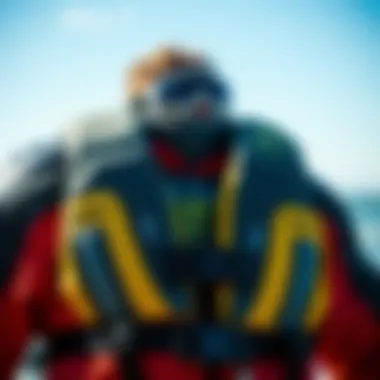
Features worth noting include:
- Built-in GPS: This feature allows you to send your exact location to rescue services if you find yourself in trouble. This can be a game-changer in emergency scenarios.
- Signal Beacons: Designed to emit a distress signal, these beacons are particularly useful if you're far from land. They can provide crucial assistance by alerting others of your situation.
- Self-righting Mechanisms: New designs can help the rider return to an upright position in situations where they might be flipped over, reducing panic and enhancing safety significantly.
When comparing jackets, look closely at what integrated features they offer. Not every jacket that claims to have advanced features actually performs effectively in water, so checking reviews and expert recommendations is essential.
Choosing the Right Life Jacket
Choosing the right life jacket is a task that requires thoughtful consideration and a keen understanding of individual needs. For kiteboarders, this isn't just about compliance with safety regulations; it's about enhancing their experience on the water while ensuring safety remains paramount. A properly chosen life jacket can mean the difference between a day of thrilling adventure and a frustrating or even dangerous episode.
Assessing the Conditions
Before gearing up, take a moment to assess the conditions of the water and weather. Factors such as wind speed, wave height, and water temperature play a crucial role in determining the type of life jacket you might need.
- Windy Days: On particularly gusty days, a more streamlined and snug fit is beneficial. A vest that allows for mobility while still providing ample buoyancy is essential.
- Calm Water: In calmer conditions, where falls are less frequent, lighter, more comfortable jackets can be suitable. They offer less resistance and can enhance maneuverability.
- Cold Water: Don’t overlook the effects of cold water, which can lead to hypothermia. Opt for jackets with added insulation or consider pairing them with layering systems designed for warmth.
As the old adage goes, “know before you go.” Understanding these variables will guide you in selecting a jacket that aligns with the environment you're about to face.
Tailoring to Skill Level
Skill level is another essential factor when selecting a life jacket. New kiteboarders and seasoned pros will have different requirements, which is important to recognize.
- Beginners: If you're just starting out, a jacket with higher buoyancy is critical. This offers more support when you're still mastering balance and may spend extra time in the water.
- Intermediate and Advanced Riders: As your skills progress, you might prefer slimmer fits that emphasize agility rather than buoyancy. Vests that offer protection against impacts can also become a priority, particularly as you start tackling tricks and jumps.
This tailored approach to life jacket selection ensures that each rider feels safe yet unrestricted, enhancing their enjoyment while kiteboarding.
Brand Comparisons
When it comes to choosing a life jacket, brand matters. Individual manufacturers often have unique features, styling, and quality levels, making comparisons crucial for informed decision-making.
- O'Neill: Known for their innovative use of materials and attention to fit, O'Neill offers high-performance options tailored for a range of activities including kiteboarding.
- Hyperlite: This brand is famous for its flotation devices built for both safety and comfort. Look for high-tech materials that maintain buoyancy without sacrificing agility.
- Ronix: Offers customizable sizing and adjustable features. This is especially useful for those who want to tweak their fit for maximum comfort.
Ultimately, it's beneficial to visit local shops, try on various brands, or consult online communities such as Reddit's kiteboarding section for personal recommendations. Each brand brings something unique to the table, and your choice should reflect personal priorities in the context of kiteboarding.
Life jackets don't just float; they float your confidence while you're riding the wind and waves.
In essence, selecting the right life jacket is about striking a balance between safety, comfort, and performance while also tailoring these factors according to personal skill level and environmental conditions.
Maintenance and Care for Life Jackets
Taking good care of your kiteboard life jacket is essential, not just for its longevity but also for your safety on the water. A life jacket that is well-maintained can make the difference between comfort and struggle while you're out kiteboarding. It’s not just about throwing it in a corner after use; proper maintenance ensures reliability when you need it most. Here’s how to keep your life jacket in tip-top shape for your next adventure.
Cleaning Techniques
Dirt and saltwater can do a number on your life jacket. Keeping it clean helps prevent wear and tear over time. Here are some handy cleaning techniques to consider:
- Rinse After Use: Always give your life jacket a thorough rinse with fresh water right after each outing. This removes salt and sand that may damage the fabric.
- Mild Detergent: If your jacket is looking particularly grimy, a gentle detergent mixed with water makes for a good wash. Use a soft cloth or sponge to scrub gently anywhere you see stains. Avoid harsh chemicals as they can break down the material.
- Air Dry: After cleaning, hang it up to air dry in a shaded area. Direct sunlight can degrade the material over time, causing colors to fade and fabric to weaken.
Storage Recommendations
Proper storage is key to extending the lifespan of your life jacket. Just tossing it in your garage or leaving it in the trunk can lead to unexpected issues. Here are some top tips for storage:
- Cool, Dry Place: Store your life jacket in a cool and dry spot away from direct sunlight. A damp atmosphere can encourage mold growth.
- Avoid Folding: Try to avoid folding your jacket when storing it. Instead, hang it on a sturdy hook or store it flat. This prevents creases that might compromise its buoyancy later.
- Regular Checks: Make it a habit to check your storage area periodically for moisture or pests. If you see anything unusual, take action immediately to prevent any damage to your jacket.
Regular Inspections
Before hitting the water, it’s crucial to give your life jacket a once-over. Regular inspections ensure that it’s functioning correctly and safely. Pay attention to these areas during your check:
- Floatation Check: Make sure the buoyancy material is intact. Squeeze the jacket gently; you should feel the floatation foam or air chambers inside.
- Straps and Fasteners: Look over all straps and buckles for any signs of wear or damage. They should operate smoothly and hold secure when fastened.
- General Wear: Inspect the fabric for tears or fraying. If you notice any significant damage, it might be worth looking into repairs or replacing the jacket altogether.
Regular maintenance not only prolongs the life of your jacket but also enhances your safety and confidence while kiteboarding.
In summary, taking the time to clean, store, and inspect your kiteboard life jacket will pay off in the long run. It helps keep your gear reliable, ensuring you can focus on riding the waves rather than worrying about your safety equipment.
Impact of Life Jackets on Performance


Kiteboarding is a thrilling activity where your connection with the water and wind defines your experience. However, performance can sometimes hinge on unexpected factors, like the life jacket you choose. The right jacket doesn’t merely fulfill safety requirements; it also influences your overall performance on the water.
Balance and Maneuverability
Kiteboarding demands agility and balance, both essential for maintaining control while gliding through the waves. A life jacket that is appropriately designed for the sport can enhance these elements significantly. Opting for a vest with a streamlined profile holds paramount importance.
- Reduced Bulk: Life jackets that sit flush against the body can prevent unnecessary drag. This kind of design keeps you more aligned with the kite, thereby improving your response time and maneuverability.
- Flexibility: Jackets made from lightweight materials, such as neoprene, provide freedom of movement. This allows for quicker turns, jumps, and sprints. A jacket that hugs the body but allows motion contorts your frame less while executing complex maneuvers.
- Weight Distribution: The distribution of buoyancy can affect balance. Jackets that lift you at the correct points help to keep your center of gravity in line, allowing for smoother transitions as you navigate various kiteboarding conditions.
Investing in a life jacket designed for kiteboarding can transform your experience, making every ride more enjoyable.
Safety Versus Speed Dynamics
Striking the right balance between safety and speed is a constant consideration for any kiteboarder. While safety is often the priority, it’s not just about staying afloat; performance also plays a role. A heavy, bulky jacket might keep you safe but can hinder your speed and agility. Conversely, a more streamlined jacket that sacrifices safety isn’t a prudent choice either.
When evaluating jackets, consider:
- Profile Design: A jacket's shape can either promote or detract from your speed. Look for options that maintain buoyancy while ensuring they're not heavy. An ideal design will keep you above the water without creating excessive resistance.
- Impact Absorption: Integrated padding in the right spots can protect your torso without adding too much weight. This kind of smart design preserves your speed while ensuring you're guarding against unexpected impacts.
- Real-World Testimonies: Many experienced kiters underline the importance of comfort with performance. According to a popular Kiteboarding Forum, they argue that a more comfortable jacket allows riders to focus on their skills rather than the limitations of their gear.
End
Finding a life jacket that harmonizes safety and performance is essential for enhancing your kiteboarding experience. By investing time in understanding the implications of balance and speed, alongside the right jacket features, kiteboarders can achieve an exhilarating and safer ride on the water, ensuring every session is not only enjoyable but also responsible.
Community Insights and Preferences
Understanding the community’s insights and preferences regarding kiteboard life jackets is paramount for several reasons. Not only does it provide a practical viewpoint on what kiteboarders value, but it also highlights trends, needs, and potential advancements in safety gear that can be aligned with user experiences. The kiteboarding community is quite vocal; it thrives on sharing personal experiences, challenges, and recommendations which can guide both manufacturers and new enthusiasts on their journeys.
Collecting data on preferences safeguards against potential pitfalls in design and functionality. When experienced kiteboarders share their insights, manufacturers glean a better understanding of essential features that improve safety while maintaining performance. This interconnectedness not only fosters better gear but broadens the conversation around safety and community-wide practices. By diving into preference surveys and expert recommendations, kiteboarders can navigate the nuanced landscape of life jacket choices better suited to their specific needs and riding styles.
Surveys of Kiteboarding Enthusiasts
Surveys conducted among kiteboarding enthusiasts provide a treasure trove of insights into what riders favor when it comes to life jackets. These surveys often ask key questions about
- Preferred fit and comfort: How snug or loose do riders like their jackets?
- Essential features: Which functionalities do kiteboarders deem non-negotiable?
- Material preferences: What type of materials do users prefer for durability and flexibility?
- Safety perceptions: How effective do riders feel their current life jackets are in terms of protection?
The responses reveal crucial insights that help delineate general trends. For example, it has been noted that many kiteboarders prioritize materials that are lightweight yet robust, reflecting a desire for performance without compromising safety. Enthusiasts often express loyalty towards brands that routinely solicit feedback and innovate based on user experiences.
Moreover, some surveys explore attitudes about mandatory regulatory standards. Many ride with a balance of compliance and personal choice, leaning towards jackets that exceed those baseline requirements. A considerable number of respondents also mention the aesthetic appeal of a life jacket, indicating that they prefer something that reflects their personal style on the water, but not at the cost of functionality.
Instructor Recommendations
Instructors play an influential role in shaping the preferences of kiteboarders, especially beginners. With their expertise, they can recommend specific life jackets based on practical experiences in various conditions. Whether it is on calm waters or choppy waves, instructors assess various aspects like buoyancy, fit, and comfort to recommend the most suitable options.
Some common instructor recommendations include:
- Emphasizing fit and mobility: Instructors often underline the importance of a well-fitting life jacket that permits easy movement. They share insights about the struggles faced when wearing a poorly fitted jacket, particularly during novice lessons where maneuverability is key.
- Prioritizing visibility: Many instructors advise using brightly colored jackets to enhance visibility on the water. This can make a significant difference in emergency situations, as it allows fellow riders or lifeguards to spot someone quickly.
- Highlighting local conditions: Instructors often tailor their suggestions based on local weather and water conditions, emphasizing the need for specific features according to the risks that may arise in those environments. For instance, in areas where strong winds or currents are prevalent, more streamlined designs may be advised.
Instructors also become conduits for user-generated feedback, regularly communicating what works best for their students or fellow instructors, thus promoting a culture of safety and informed choices within the kiteboarding community.
In summary, tapping into community insights and expert recommendations not only guides kiteboarders in selecting life jackets but ultimately enriches the overall culture of safety and awareness on the water.
Further reading: For more about safety standards and equipment, check out this resource and Kiteboarding safety.
Engaging with forums like reddit.com can also provide spontaneous insights into current trends and preferences.
The End: Safety First
In the exhilarating world of kiteboarding, safety often plays second fiddle to thrill. However, this article has shown that prioritizing safety, particularly through the use of life jackets, is non-negotiable. A well-chosen life jacket can transform your kiteboarding experience from risky to enjoyable.
Summary of Key Points
The significance of life jackets in kiteboarding cannot be overstated. Here are some key points that encapsulate the essence of this discussion:
- Life jackets can save lives: They offer essential buoyancy and keep you afloat in emergencies.
- Different types cater to various needs: Whether it’s the sleek vest-style for enhanced mobility or the protective impact vests for speed demons, selecting the right type is crucial.
- Comfort is key: Look for a snug fit that allows freedom of movement without compromising safety.
- Maintenance matters: Regular cleaning and inspections ensure longevity and reliability, which is vital for any kiteboarder.
- Tech advancements: Features like inflatables and integrated safety systems are changing the game, making life jackets more efficient and appealing.
Encouragement for Responsible Kiteboarding
Responsible kiteboarding is not just about following the rules; it’s about cultivating a mindset that prioritizes safety. Every kiteboarder, from the novice on shallow waters to the veteran riding the wild waves, should understand the impact of wearing a life jacket. Familiarize yourself with local regulations and remember that conditions can change rapidly.
While it’s tempting to cut corners for the sake of convenience or aesthetics, the reality is that a life jacket can be your best friend in unpredictable situations. The camaraderie within the kiteboarding community also plays a role here. Exchange experiences with fellow enthusiasts, seek advice from instructors, and stay informed on the latest gear and methods. This collective knowledge not only enhances the sport but also fosters a culture where safety is valued above all.
“Safety isn’t just an option; it’s a lifestyle.”