Exploring Mini Hydrofoils in Kiteboarding


Intro
In the ever-evolving world of kiteboarding, innovation is the wind beneath the wings of enthusiasts, pushing them toward new horizons. One such innovation, the mini hydrofoil, has taken the kiteboarding community by storm, offering not only a new way to ride but also reshaping how riders perceive speed and agility on water.
Mini hydrofoils are designed to elevate the rider above the water, utilizing a unique combination of aerodynamics and hydrodynamics that permits a smoother, more efficient glide. This not only increases speed but transforms the overall experience of kiteboarding, making it more accessible to riders of varying skill levels.
The marriage of function and design in these foils has made them an alluring choice for both beginners and experienced kiteboarders. Getting familiar with mini hydrofoils isn’t just a trend; they represent a monumental shift in our understanding and enjoyment of water sports.
The sections that follow delve into the nitty-gritty of mini hydrofoils—offering insights on equipment, techniques, and maintenance. So, whether you’re just starting in this thrilling endeavor or you're looking to refine your skills, this guide aims to illuminate the waters ahead.
The Mini Hydrofoil: Definition and Prelims
The mini hydrofoil represents a game-changing advancement in the kiteboarding scene. As the world of action sports continues to evolve, the introduction of these compact foils opens new horizons for riders. Just like switching from a road bike to a mountain bike can transform your cycling experience, adopting a mini hydrofoil can shift the dynamics of kiteboarding, providing a thrilling, lightweight ride whether you are skimming across flat waters or tackling choppy seas.
The inherent advantage of mini hydrofoils lies in their ability to lift the board above the water surface, significantly increasing speed and reducing drag. This means faster rides with less effort, a huge draw for both seasoned kiteboarders and newcomers alike. Moreover, they can be easier to maneuver, making the learning curve feel less steep. The design and technology of these foils invite riders to challenge their limits, exploring a whole new dimension of speed and agility on the water.
As we dive deeper into understanding the mini hydrofoil, it's crucial to grasp not only its structure but also its role within the broader spectrum of kiteboarding. Their introduction isn't just about performance improvements; it's about accessibility, making the sport more enjoyable for various skill levels. Furthermore, with proper knowledge about safety and maintenance, kiteboarders can ensure they derive maximum enjoyment from this exhilarating technology.
What is a Mini Hydrofoil?
A mini hydrofoil is a smaller, more agile variant of traditional hydrofoils, designed specifically for kiteboarding. Unlike standard foils that might require extensive experience to navigate efficiently, mini hydrofoils cater to a broader audience, allowing riders to get the hang of hydrofoiling more quickly. Typically, they consist of a mast connected to a fuselage and wings, which work together to create lift.
When a rider accelerates, the lift generated by the foil raises the board above the surface of the water. This elevation reduces water resistance, enhancing speed and agility. Built with lighter materials like carbon fiber or specific aluminum alloys, mini hydrofoils are more buoyant and can be easily handled by less experienced users.
What sets mini hydrofoils apart is not just their size, but how they meld performance and user-friendliness. There’s no doubt that utilizing a mini hydrofoil feels more like floating than riding, yielding an almost exhilarating sensation that longs for exploration.
Brief History of Hydrofoils in Kiteboarding
Hydrofoils weren't born of the kiteboarding revolution but have a rich history stretching back over a century. Initially, hydrofoils made their mark in sailing and powerboating, enabling vessels to glide smoothly above water, significantly increasing speeds. The 1960s saw a greater interest in harnessing hydrodynamics, as inventors experimented with designs that incorporated foils into their watercraft.
The transition to kiteboarding began notably in the late 1990s when pioneers started testing hydrofoil technology, leading to a new wave of innovation. With brands like Naish and Slingshot paving the way, the early 2000s marked the introduction of the first kiteable hydrofoils. At first, these units were bulky and cumbersome, but as the sport grew, so did the technology. The demand for lighter, more responsive designs brought forth the mini hydrofoil model, catering to a growing community of enthusiasts.
Now, as we progress into the future, these advanced designs are not only becoming more popular but also revolutionizing the world's approach to kiteboarding, breaking through geographical limitations and bringing an entirely new experience on water. To delve deeper into this evolution, you can visit resources like Wikipedia or Britannica.
The evolution of hydrofoils in kiteboarding is a testament to human creativity and the quest for speed and agility on water.
Fundamental Mechanics of Hydrofoiling
Understanding the fundamentals of hydrofoiling is crucial for anyone looking to navigate theair and water with a mini hydrofoil. The beauty of hydrofoiling lies in its unique ability to transform the riding experience, allowing riders to glide over the water instead of merely slicing through it. This shift not only provides a thrilling sense of freedom but also fundamentally changes how one interacts with the ocean's surface.
Principles of Lift and Drag
In the world of hydrofoiling, the concepts of lift and drag are the name of the game. Lift is the force that allows a kiteboard equipped with a hydrofoil to rise above the water. This is achieved by the foil's shape and angle of attack as it moves through the water. When water flows over and underneath the hydrofoil, the shape creates a difference in pressure, resulting in lift. The beauty of this structure is its ability to efficiently convert the energy from the kite and the rider's movement into upward force.
Conversely, drag is a natural enemy in the dynamics of hydrofoiling. It refers to the resistance the foil faces as it moves through the water. Minimizing drag is vital for achieving optimal speed and agility. Hydrofoil design has come a long way in reducing drag through streamlined shapes, which ensure a smooth water flow over the surfaces.
When both lift and drag are properly balanced, the rider experiences that characteristic thrill of surging above the water's surface, often described as gliding like a bird. In practical terms, riders often find that the sweet spot for lift comes at specific angles and speeds, making understanding these dynamics key to harnessing the full potential of mini hydrofoils.
How Foils Interact with Water
To truly appreciate the innovation behind mini hydrofoils, it's important to look at how these foils interact with water. Hydrofoils work by utilizing the fluid dynamics of water. When the foil is submerged, it generates lift. However, as it rises, its interaction with the airflow above the water changes the dynamics significantly.
Most notably, the speed at which the rider travels makes a dramatic difference. The faster the rider moves, the more lift is generated, leading to an overall smoother ride. Each moment spent on a foiled board requires an understanding of balance and control, particularly during those moments of transition where the foil breaks free from the water's surface.
Another crucial aspect is the concept of cavitation, which occurs when the pressure on the foil drops too low, causing air bubbles to form. This can affect performance drastically. For a rider, knowing when to adjust their speed, angle, and balance can mean the difference between a seamless flight and a splash back into the water.


In summary, the mechanics of lift and drag, along with the foils' interaction with water, form the backbone of hydrofoiling technique. Riders who master these principles enhance their performance, gain confidence, and ultimately relive the euphoria of kiteboarding in a completely new light.
Types of Mini Hydrofoils
Understanding the types of mini hydrofoils is pivotal for both aspiring and seasoned kiteboarders. The distinctions between these foils can greatly influence your boarding experience, tailoring it to your specific needs and preferences. With the right knowledge, you can make an informed choice that enhances performance and enjoyment on the water.
Differences Between Mini and Traditional Hydrofoils
Mini hydrofoils differ from traditional hydrofoils in several significant ways. While traditional foil designs often feature larger wings, mini hydrofoils prioritize a compact form. This compactness leads to improved agility and responsiveness.
Benefits of mini hydrofoils include:
- Weight Reduction: Mini hydrofoils are typically lighter, making them easier to maneuver.
- Stability: The smaller wings provide a more stable ride, particularly in choppy water.
- Easier Transition: Ditching the larger foil means less drag, allowing for smoother take-offs and landings.
In essence, mini hydrofoils are designed for a different riding experience: they cater to those looking for agile movements and playful tricks rather than the sustained speed associated with traditional hydrofoils.
Variations in Design and Shape
The design and shape of mini hydrofoils can vary significantly, influencing their performance characteristics. Common designs include different sizes of wings, fuselages, and stabilizers which ultimately cater to various riding styles. Riding styles can include freestyle, wave riding, or cruising, each requiring a specific setup.
- Wing Shape: The leading edge of the wing can be flat or curved. A flatter wing often provides quicker lift-off and easier control, making it more suitable for beginners. Curved wings, on the other hand, are usually favored by experienced riders seeking higher speeds.
- Fuselage Length: Shorter fuselages can enhance maneuverability, perfect for tricks, while longer fuselages offer increased stability and are apt for beginners.
By choosing carefully among these design variations, one can greatly optimize their mini hydrofoil experience. It's akin to selecting a tool tailored for a specific task—getting the right fit makes all the difference.
Material Choices and Durability
When it comes to mini hydrofoils, material choices are critical. The construction materials directly impact the durability, performance, and weight of the foil. Common materials include carbon fiber, aluminum, and fiberglass.
Key Points on Material Choices:
- Carbon Fiber: Renowned for its lightweight yet robust nature, carbon fiber is often considered the holy grail for high-performance foils. Riders looking to push the envelope typically gravitate toward this option.
- Aluminum: A go-to for those on a budget; aluminum offers a balance of affordability and durability. While heavier than carbon, it's still suited for casual riders or those just starting out.
- Fiberglass: Combines aspects of both metal and carbon choices. It’s heavier than carbon but provides a more forgiving ride, making it an attractive option for beginners.
In terms of durability, it's important to consider how often and in what conditions you’ll be using your mini hydrofoil. Regular exposure to saltwater and rough conditions can wear down materials quickly, hence investing in quality is always wise.
Adapting to the flow of water with your selected hydrofoil can take the kiteboarding experience from mundane to exceptional, melding technology with the thrill of the ride.
Navigating through the myriad types of mini hydrofoils allows for a tailored kiteboarding experience. Whether influenced by personal riding preference or environmental conditions, understanding the available options empowers kiteboarders to elevate their sessions to new heights.
Performance Enhancements with Mini Hydrofoils
As kiteboarding evolves, the introduction of mini hydrofoils marks a turning point for many riders. Performance enhancements offered by these cutting-edge designs promise to take rider experiences to a whole new level.
Focusing on speed, maneuverability, reduced water resistance, and stability, we will explore how mini hydrofoils improve the overall kiteboarding experience.
Speed and Maneuverability
One of the first things that kiteboarders notice when they switch to a mini hydrofoil is the increase in speed. By generating lift sooner, mini hydrofoils allow riders to glide above the water’s surface with less drag than traditional boards. This can translate to a few extra knots on your ride, which, in competitive situations, may be the edge needed to win. Mini hydrofoils leverage a refined design that reduces surface area whilst maximizing lift, keeping the rider gliding even through choppy waters, ensuring speeds remain consistently high.
Moreover, maneuverability improves significantly with mini hydrofoils. Riders can carve sharper turns and navigate tight spots without the cumbersome feel that can accompany larger boards. This can lead to more dynamic rides, allowing advanced tricks and smooth transitions that can impress fellow riders. The agility contributes to a more engaging on-water experience, pushing the limits of what’s possible in kiteboarding.
Reduced Water Resistance
The reduction in water resistance is another major advantage of mini hydrofoils. Traditional kiteboards create considerable drag, forcing riders to constantly push against the water to maintain speed. Mini hydrofoils, however, lift the kiteboard above the water, drastically minimizing drag. The changes in hydrodynamics mean that riders have to exert less effort, allowing for longer sessions without tiring out.
"Less effort means more fun on the water, allowing kiteboarders to explore further and longer than ever before."


Efficiency in movement becomes paramount; riders can venture into higher winds with less concern about fatigue. This quality not only enhances performance but also makes kiteboarding more accessible to a variety of skill levels, opening the door for a broader audience.
Stability and Control
Stability is a key aspect that sets mini hydrofoils apart from their traditional counterparts. While larger boards can sometimes feel unwieldy, mini hydrofoils provide a sensation of balance even when riding at speed. The design promotes a lower center of gravity, contributing to an overall steadier ride.
In addition, control enhances significantly with improved design. Unlike traditional boards that may struggle against choppy conditions, mini hydrofoils maintain their equilibrium with remarkable poise. This translates into greater confidence for riders as they attempt new tricks or navigate challenging waterways. The enhanced control allows experienced riders to push their limits while providing beginners with a steadier platform on which to learn.
In summary, through enhanced speed and maneuverability, reduced water resistance, and greater stability and control, mini hydrofoils revolutionize kiteboarding. Their designs cater to not only competitive riders aiming for performance but also recreational kiteboarders looking for a more satisfying experience on the water. As more riders adopt this technology, we are likely to see the standard of kiteboarding rise to new heights.
Adopting Mini Hydrofoils: Considerations for Riders
Adopting mini hydrofoils represents an exciting evolution in the kiteboarding realm, but stepping into this new dimension requires careful consideration. For riders looking to upgrade their experience, the potential benefits must be weighed against the challenges inherent in transitioning to this innovative technology.
Technical Requirements for Transitioning
Transitioning to mini hydrofoils necessitates a good understanding of both equipment and environmental factors. Unlike standard kiteboarding, mini hydrofoils operate on the principle of lift generated by a submerged wing, fundamentally altering how a rider interacts with water and air.
Essential considerations include:
- Weight and Size: Ensure that your hydrofoil matches your weight class. Heavier riders may require larger foils for proper lift.
- Wind Conditions: Ideal conditions are those with consistent and moderate wind speeds; too much wind can create instability while attempting to foil.
- Wetsuit & Harness: Since you will be spending more time in water, invest in a quality wetsuit for comfort. Additionally, a harness designed for foiling may enhance your experience.
As you can see, it's not just about throwing a foil on your board. Knowing your gear is essential for a successful transition.
Training and Skill Development
Training is crucial for mastering mini hydrofoils. While every rider's experience will differ, certain foundational skills and knowledge can accelerate the learning process:
- Balance and Control: The feeling of foiling is different; riders often feel higher above the water surface. This heightened position demands better balance. Practice on flat water before tackling waves.
- Kite Handling Skills: Mastering your kite is directly proportional to your success on a hydrofoil. Understanding how your kite responds in various wind conditions can aid in lift-off.
- Foiling Techniques: Engaging in dedicated foiling training, perhaps through professional lessons, can dramatically smooth the transition and instill confidence.
Consider enlisting the help of an experienced instructor who can provide personalized tips and guidance.
Common Challenges and Solutions
While the allure of mini hydrofoils is undeniable, riders may face hurdles during their adjustment. Some of these challenges and their corresponding solutions include:
- Difficulty in Learning Curve: It can feel like learning to kiteboard all over again. To ease this:
- Risk of Crashing: Crashing while learning can intimidate even seasoned riders. Address this by practicing in non-living shore areas where impacts are less threatening.
- Hydrofoil Maintenance: Foils require regular checks for damages. To stay proactive:
- Start with a larger foil for improved stability and lift.
- Dedicate sessions solely to practicing foiling, be patient and consistent.
- Inspect your gear after every session.
- Keep foils clean and dry to prevent corrosion.
"Patience and practice are paramount; every expert was once a beginner."
In summary, transitioning to mini hydrofoils holds the potential for heightened performance and enjoyment, demanding a mix of knowledge, practice, and precaution. Stay aware of the requirements and challenges, and you will navigate this new avenue in kiteboarding with success.
For more extensive resources on hydrofoiling techniques and rider improvement, check out the following links:
Embrace the change and ready yourself for an elevated experience on the water!
Maintenance and Safety Protocols
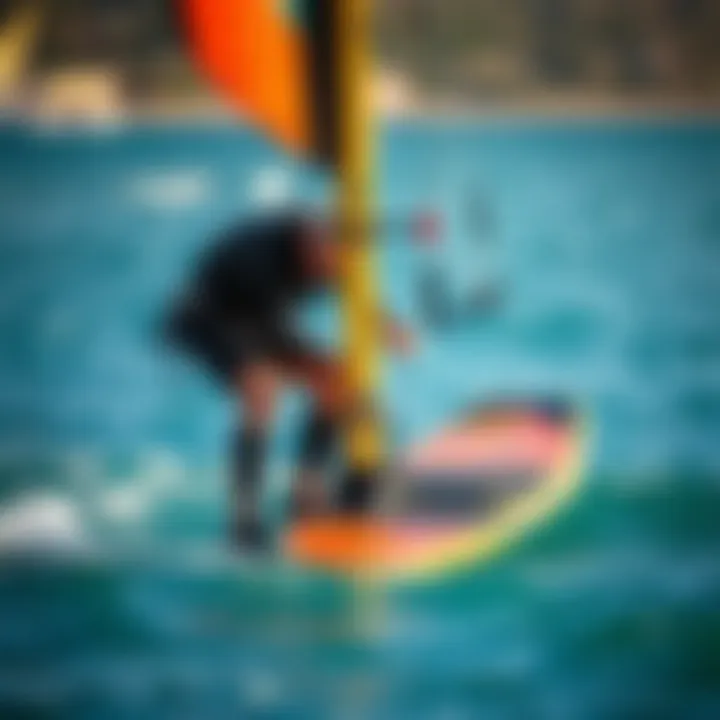
Maintaining a mini hydrofoil is not just important for ensuring peak performance; it’s essential for rider safety as well. Kiteboarding can be an exhilarating experience, but it comes with its share of risks. Therefore, understanding and implementing thorough maintenance practices coupled with robust safety protocols can profoundly enhance the kiteboarding experience while minimizing hazards. Whether you're an experienced rider or someone newer to the sport, knowledge in this area is vital.
Regular Maintenance Practices
Regular maintenance is the cornerstone for safety and equipment longevity. A well-maintained mini hydrofoil ensures smooth performances and also decreases the chances of unexpected failures on the water. Here are key practices to consider:
- Visual Inspections: Before hitting the water, conduct a visual inspection of the foil, mast, and board. Look for any signs of wear, such as cracks or corrosion, especially at the attachment points. A simple inspection can save you from a big headache later.
- Cleaning After Use: Saltwater can be particularly harsh on equipment. After every session, rinse your hydrofoil with fresh water to remove salt, sand, and debris. Pay special attention to the joints and screws, as these areas can accumulate gunk that interferes with the functioning.
- Check for Alignment: The alignment of the hydrofoil's components affects performance and safety. Ensure that everything is tightened and aligned correctly. Misalignment can lead to wobbly rides and instability.
- Lubrication: Keep the moving parts well-lubricated. Using silicone-based lubricants can reduce friction and increase performance while also shielding components from corrosion.
- Storage: Proper storage is crucial. Avoid leaving the hydrofoil exposed to direct sunlight for extended periods, as UV rays can degrade materials over time. Keeping it in a protective bag helps to maintain its quality.
Implementing these routine practices not only ensures the durability of your equipment but also promotes a safe riding environment that allows for improved enjoyment.
Safety Equipment Recommendations
When it comes to safety in kiteboarding, having the right equipment can make all the difference between a thrilling adventure and a potential disaster. Here’s a rundown of essential safety gear for mini hydrofoil users:
- Personal Flotation Device (PFD): A buoyancy vest specifically designed for kiteboarding provides critical support in the event of a fall. Choose a PFD that doesn’t restrict movement.
- Impact Vest: An impact vest protects against hard landings and collisions. It's a good idea to wear one, especially for riders who are practicing new tricks or exploring challenging conditions.
- Helmet: Safety starts at the head. A helmet designed for water sports can protect against injuries caused by falls or collisions with board and water.
- Leash: A reliable leash connects the rider to the board. It ensures that even if you fall, your board stays nearby, reducing the risk of being hit by your own equipment.
- Cutaway knife: In emergencies, a cutaway knife can be lifesaving. It enables quick detachment from entangled lines or equipment in the event of a fall or mishap.
- Visibility Flags: In strong winds or busy water areas, having visibility flags on your kite can help alert others to your presence and ensure the safety of all water users.
By investing in and utilizing the appropriate safety gear alongside following maintenance practices, kiteboarders can significantly enhance their riding experience while prioritizing their safety. As kiteboarding continues to evolve with innovations like mini hydrofoils, so too should the considerations for rider maintenance and safety.
The Future of Mini Hydrofoils in Kiteboarding
The landscape of kiteboarding is shifting, and at the forefront of this evolution are mini hydrofoils. As technology continues to march forward, so do the innovations driving this sport. The future of mini hydrofoils in kiteboarding is not just a facet of performance enhancement; it embodies a broader transformation that could redefine the sport itself.
The importance of understanding these advancements cannot be understated. Kiteboarding enthusiasts are always on the lookout for tools that not only push the envelope of speed and agility but also elevate the overall riding experience. With mini hydrofoils, riders are finding new levels of accessibility and excitement, shaping the pathways for future generations to engage with the sport.
Innovations in Design and Technology
Recent breakthroughs in hydrofoil design and manufacturing techniques have greatly improved performance.
- Materials Science: The advent of lightweight, high-strength materials such as carbon fiber has made it possible to create smaller, more efficient hydrofoils without sacrificing durability. This paves the way for manufacturers to put out gear that is not only performance-oriented but also resistant to wear and tear.
- Wing Shapes: Engineers are experimenting with avant-garde shapes and configurations. New wing profiles that optimize lift-to-drag ratios help in achieving smoother rides over choppy waters. This also translates to better performance for beginner riders who can access hydrofoiling without feeling overwhelmed.
- Modularity: Some brands have introduced modular designs that allow riders to easily switch out components. This means users can customize their setups to suit various riding conditions without needing to invest in new gear for each change.
Innovations like these stir the pot, enhancing not just the performance metrics but also how riders engage with their environment. They provide avenues for creativity and transformation on the water.
Potential Impact on the Sport
The impact of mini hydrofoils on kiteboarding is both visibly exciting and underpinned by subtle changes that can ripple through the community.
- Broadening Participation: With easier transition into hydrofoiling, the entry barrier for new riders lowers. This could mean a surge in interest, making kiteboarding an accessible sport for a wider audience. Families and younger generations may find themselves drawn into thrilling watersports that were previously perceived as niche.
- Diverse Riding Styles: The unique nature of mini hydrofoils allows for different riding styles to flourish. From freestyle tricks to long-distance cruising, riders are starting to push boundaries. This diversification can create new communities within kiteboarding, where styles and innovations merge.
- Competitive Edge: As hydrofoils become more integrated into competitive settings, unique competitions and events could emerge. These new formats may capture the imagination of spectators and amplify sponsorship opportunities. It can attract a fresh audience that might not have engaged with traditional kiteboarding.
"The blend of technology and creativity in mini hydrofoils is not merely about speed; it’s an art form that engages the very essence of what kiteboarding can be."
As we gaze into the future, it's crystal clear that mini hydrofoils are more than just a passing trend. They signify a new chapter in kiteboarding, resonating with both seasoned riders and novices. The collective enthusiasm could, indeed, set the stage for an exciting evolution within the sport, leading to uncharted territories both on and off the water.
Closure
In wrapping up our exploration of mini hydrofoils in kiteboarding, it becomes clear that this innovative technology has significantly changed the landscape for riders seeking to enhance their experiences on the water. The insights gathered throughout this article underscore several pivotal aspects worth reiterating.
First and foremost, mini hydrofoils represent not just a trend, but a transformational shift in how kiteboarders engage with their sport. Their design facilitates greater speeds and maneuverability, allowing riders to glide effortlessly above the waves, which changes the game entirely for both recreational and competitive kiteboarding. As kiting enthusiasts flock to this novel approach, it’s important for them to appreciate the unique mechanics that enable such performance, as detailed in the previous sections.
Moreover, transitioning to mini hydrofoils is not without its challenges. Riders must navigate technical requirements and invest time in skill development, which involves dedication and management of expectations. Understanding common hurdles can make this journey smoother, making it essential for aspiring hydrofoilers to seek appropriate training and tips from seasoned veterans.
Safety, integrity, and routine upkeep of the equipment shouldn’t be overlooked either. Through consistent, rigorous maintenance practices and awareness of recommended safety protocols, riders can enjoy the exhilarating experience mini hydrofoils offer, while also protecting their own well-being.
Lastly, the future of this technology holds exciting prospects for the kiteboarding community. As design innovations continue to evolve, they promise to push the envelope even further, enhancing both user-friendly features and performance capabilities.
Thus, as we conclude our discussion, it’s clear that the emergence of mini hydrofoils is not just a passing fad; they are carving a niche of their own in the kiteboarding sphere. With the right preparation, education, and respect for safety protocols, riders can fully leverage what mini hydrofoils have to offer, ensuring a vibrant and thrilling kiteboarding experience for years to come.
Final Thoughts on Mini Hydrofoils
The journey into the world of mini hydrofoils unveils numerous layers and facets that are both intriguing and essential for kiteboarding enthusiasts. Not only do these hydrofoils offer a rewardingly different approach to the sport, but they also herald a future where performance and accessibility work hand in hand.
In essence, embracing the mini hydrofoil can allow riders to reconnect with the simplicity of kiting while simultaneously pushing their limits. It’s a subtle reminder that sometimes, adapting to innovation can bring about the most fulfilling waves of change. Like a well-timed gust of wind on an otherwise still day, mini hydrofoils encourage riders to break free from constraints and experience the thrill that lies just above the water’s surface.
For those interested in delving deeper, an array of resources exists for further exploration. Websites like Wikipedia, Britannica, and specialized forums on platforms like Reddit can offer additional insights. Knowledge-sharing will undoubtedly continue to shape the evolving conversation around mini hydrofoils in kiteboarding.