Seaside Heights Weather for Kiteboarding Enthusiasts

Intro
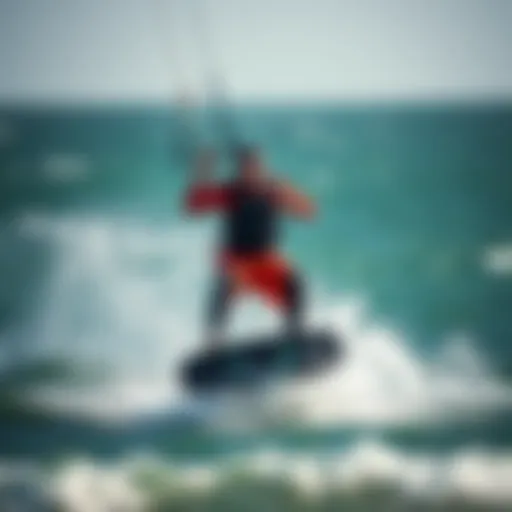
Kiteboarding in Seaside Heights isn't just about grabbing a board and taking to the waves. For enthusiasts, understanding the local weather conditions is just as crucial as having the right equipment or mastering the latest tricks. The region’s climate plays a defining role in kiteboarding experiences—from the type of winds that sweep across the shore to the temperatures that define the season.
Knowing what to expect, when to visit, and how the weather affects the water conditions can elevate a kiteboarder's experience from average to exceptional. This article will take a close look at Seaside Heights' weather patterns and how they directly impact kiteboarding activities.
We'll explore seasonal variations that can make or break a kiteboarding trip, analyze wind conditions, and scrutinize temperature trends—all essential elements that kiteboarders should keep in mind. Whether you’re new to the sport or a seasoned pro, this comprehensive guide is designed to assist you in planning your visits effectively, thus ensuring each kiteboarding session is both enjoyable and safe.
As we delve into Seaside Heights weather, you’ll uncover tips and insights that can enhance your riding excursions, making them memorable and tailored to what kiteboarders truly seek in their interactions with the ocean's elements.
Prolusion to Seaside Heights Weather
Understanding the weather patterns specific to Seaside Heights is vital for kiteboarding enthusiasts. The region’s climate can influence everything from the choice of equipment to the overall experience on the water. Kiteboarding, at its core, is shaped by wind and water conditions, making it essential to grasp the local weather nuances before hitting the waves.
Overview of the Area's Climate
Seaside Heights, positioned along the Jersey Shore, experiences a humid subtropical climate. This means summers can sizzle, with temperatures often reaching into the mid-80s Fahrenheit, while winters chill down, sometimes seeing temperatures dip below freezing. The area has distinct seasons, each bringing its flavor to the weather.
In the summer, the combination of heat and humidity can create quite the sultry atmosphere. Thunderstorms are also common, frequently popping up in the late afternoon. As fall rolls around, the heat wanes, but it sometimes takes longer than expected, leaving kiteboarders a pleasant window of time for riding, as the winds can still be favorable. Winter, although not ideal for kiteboarding, has its charm. The frigid air mixes with ocean currents to create unique wind patterns. However, spring offers some of the best kiteboarding conditions. Winds begin to pick up, and temperatures rise, creating a conducive environment for flying across the water.
Importance for Kiteboarding Activities
For kiteboarding, understanding these climatic patterns isn't just insightful—it’s crucial. The wind—nature's engine for kiteboarding—is influenced by local geography and temperature. Strong, consistent winds can mean thrilling rides, while calms or gusts can lead to frustration and potential hazards.
- Kite Size Choice: Knowing how the weather changes can dictate what size kite to pack. Heavier winds may require a smaller kite to maintain control. Conversely, lighter conditions may call for larger kites.
- Safety Considerations: Understanding local patterns can help kiteboarders avoid dangerous situations, such as sudden storms or extreme wind shifts.
- Timing Your Visits: For those planning a trip, targeting specific seasons when conditions are optimal can make all the difference. Observing local historical weather patterns aids in making informed decisions.
In sum, an appreciation of Seaside Heights’ weather intricacies not only enhances the kiteboarding experience but also ensures safety and enjoyment. As kiteboarders equip themselves with knowledge about local conditions, they set themselves up for success on the water.
Annual Weather Patterns
Understanding the annual weather patterns at Seaside Heights is paramount for kiteboarders. These patterns shape not only the experience on the water but also play a crucial role in safety and enjoyment. Knowing when to catch the winds, avoid rain and gauge the temperatures can make or break a kiteboarding trip.
Temperature Fluctuations Throughout the Year
Seaside Heights is characterized by a varied climate with marked seasonal temperature changes. Winters can be biting cold, often hovering around 30°F (-1°C), while summers tend to warm up, reaching highs of 85°F (29°C) and above. In spring and autumn, temperatures fluctuate quite a bit - you might find pleasant days mixed with brisk winds. For kiteboarders, late spring to early fall often offers the most favorable temperatures, striking a balance between comfort and adrenaline.
- Winter (December to February): Cold temps, high winds; not the ideal kiteboarding time unless you're looking for a challenge.
- Spring (March to May): The world wakes up; temperatures start rising, yet winds can still be unpredictable.
- Summer (June to August): Peak kiteboarding season; warm and consistent winds make for an exhilarating experience.
- Fall (September to November): The summer crowd fades; temperatures cool down, but winds often continue to deliver.
Rainfall and Humidity Levels
Rainfall at Seaside Heights takes on its own rhythm. Generally, summer is the wettest period, with 4 to 5 inches of rain per month. Although it may rain, thundering summer storms usually clear off quickly, leaving behind refreshing winds. In the fall, as temperatures drop, the area witnesses less rain, although the humidity levels persist, especially in July and August. For kiteboarders, understanding these patterns is important; kiteboarding during a downpour might not be enjoyable, but a light drizzle can sometimes lead to fun wind patterns.
Considerations:

- Best Time: Planning around rain forecasts, particularly in the summer, can mean the difference between a great day and being caught soggy.
- Humidity Adjustment: High humidity can drain energy, but the right gear can mitigate discomfort and keep you flying high.
Seasonal Wind Variations
Wind is the very essence of kiteboarding, and Seaside Heights has its fair share of varied wind patterns influenced by the seasons.
- Winter: Winds tend to be high-speed and frigid; while you may find yourself zipping across chilly waters, such conditions often require specialized gear.
- Spring: Winds start to stabilize, but expect some blustery days that can catch an experienced rider off guard.
- Summer: The trade winds can be quite favorable, consistently blowing at speeds between 10 to 20 mph (16 to 32 km/h). Ideal for those looking to push their limits.
- Fall: As summer winds die down, kiteboarders can still catch occasional gusts, making for a more relaxed experience.
Understanding these patterns not only enhances the enjoyment but also helps in making informed decisions about kite choices and techniques. Kiteboarding at Seaside Heights can be thrilling when you know when and how to seize the winds.
Weather Forecasting Methods
Accurate weather forecasting is crucial for kiteboarding enthusiasts who want to have the best experience out on the water. Kiteboarding without knowledge of the coming weather can be like sailing a ship without a rudder; a small miscalculation can lead to undesirable outcomes. Understanding weather patterns and utilizing the latest forecasting methods can dramatically ease planning and enhance safety. The following sections will delve into modern technologies and the reliability of local weather services, providing kiteboarders with essential tools for making informed decisions.
Modern Technologies in Weather Prediction
Modern advancements in weather forecasting have transformed the landscapes of outdoor activities, including kiteboarding. Traditionally, forecasts were based on observational weather data and meteorologists' interpretations, but today we have access to sophisticated technology that can offer real-time insights.
Some key elements of these technologies include:
- Satellite Imagery: High-resolution images help in tracking large weather systems and storms that could impact kiteboarding.
- Doppler Radar: This technology provides real-time updates about precipitation and wind gusts, allowing kiteboarders to be aware of sudden changes.
- Weather Apps: Many mobile applications can provide hyper-local forecasts tailored specifically for kiteboarding. These apps often include wind speed, direction, and water temperature, essential information for any kiteboarding session.
Kiteboarders should leverage these technologies to enhance their experience. For example, by continuously monitoring wind conditions through these applications, one can make the best call on when to head out or pack it in for the day.
"Utilizing modern forecasting tools not only ensures a smoother kiteboarding experience but also helps one sidestep potential hazards associated with sudden weather changes."
Reliability of Local Weather Services
While global meteorological systems have improved, it’s important to also consider local weather services' value. Regions like Seaside Heights often have specific weather quirks that national forecasts may overlook. Local weather services can offer insights and data that apply directly to kiteboarding spot conditions. Some considerations include:
- Localized Alerts: Services provide warnings about sudden severe weather events, essential for ensuring kiteboarding safety.
- Community Expertise: Local forecasters often have knowledge of historical weather data that can explain wind patterns and unusual changes, benefiting kiteboarders.
- Feedback Loops: Many kiteboarding communities are active in sharing experiences with local services, refining the forecasts provided, which can lead to improved prediction accuracy.
In summary, while modern prediction technologies are essential for kiteboarding, the reliability of local services shouldn't be disregarded. Combining both can allow kiteboarders to navigate the waters safely and enjoyably. Using every resource at hand is key, and knowing when to trust your local forecaster can greatly enhance your kiteboarding adventures.
Wind Patterns and Their Impact on Kiteboarding
Understanding wind patterns is paramount for kiteboarding enthusiasts. The success of a kiteboarding session hinges not just on the presence of wind, but also on its strength, consistency, and direction. Every kiteboarder knows that when the wind blows just right, it can transform a good day on the water into an unforgettable one. Conversely, unfavorable wind conditions can lead to frustrating experiences, or worse, hazardous situations.
Ideal Wind Conditions for Kiteboarding
For optimal kiteboarding, wind speeds between 12 to 25 knots are often considered ideal. These speeds provide enough power to lift the kite while allowing for maneuverability across the water. Two main types of winds are crucial here:
- Thermal Winds: These typically occur in the afternoon, driven by the sun heating the land, which in turn heats the air. This phenomenon tends to create steady winds ideal for kiteboarding.
- Coastal Breezes: In Seaside Heights, the proximity to the ocean leads to coastal breezes that can fill the sails perfectly throughout the day, especially during warmer months.
"A light wind on a sunny day can lead to a thrilling kiteboarding experience, while a gusty wind may throw even the most skilled rider off their game."


Understanding Wind Directions
Wind direction plays a crucial role in kiteboarding safety and performance. In Seaside Heights, common wind directions include:
- Onshore Winds: These winds blow from the sea towards the shore. They are generally safe, providing great conditions for kiteboarding, as they push riders towards the land, making it easier to return after riding.
- Offshore Winds: Winds blowing from land out to sea can create risky situations for kiteboarders. They may lead to challenging returns and potential drifting away from the shore.
- Cross-Shore Winds: These winds blow parallel to the shore. They can be fun for experienced riders, allowing for easy navigation along the coast, but they also require careful attention to return safely.
Challenges Posed by Local Wind Conditions
Despite the inviting conditions, several challenges arise from Seaside Heights' local wind patterns. For instance:
- Gust Variability: Winds can be unpredictable, often shifting suddenly between gusts and lulls. Kiteboarders must remain vigilant and ready to adjust their technique accordingly.
- Wind Shadow Areas: Structures like buildings or natural features can create wind shadows, where the wind speed drops significantly. These areas should be avoided by riders since they may lead to sudden losses of power on the kite.
- Seasonal Wind Changes: Kiteboarding conditions can vary drastically with seasons. Winter may bring harsher winds, while summer offers gentle breezes. Understanding these changes is vital for planning safe and enjoyable sessions.
The Influence of Sea Temperature
Understanding the sea temperature around Seaside Heights is crucial for kiteboarders looking to optimize their experience. Temperature affects not only the suitability of the water for activities but also makes a significant impact on gear choices, overall comfort, and safety.
Seasonal changes in sea temperature can dictate the best times for kiteboarding, as warmer waters usually coincide with milder weather conditions. When the water is warm, kiteboarders can glide through the waves without the same degree of physical discomfort that could arise in cooler temperatures.
Effects on Kiteboarding Suit Choices
Kiteboarders need to be strategic about their suit choices based on sea temperature. In the summer months, when temperatures can reach the comfortable high sixties to seventies degrees Fahrenheit, many kiteboarders may opt for lighter suits or even shorties. A short wetsuit or a skin suit is often enough for protection against sunburn and for the occasional chill from the wind.
Contrast this with spring and fall, where the water can dip down to the low sixties or even fifties. In these conditions, a thicker wetsuit becomes necessary—often a full suit that offers better thermal protection. This is where choosing the right thickness becomes essential. A three-two millimeter suit typically suffices, but if you’re prone to feeling the cold, a four-three suit might be your best bet.
Impact on Overall Kiteboarding Experience
The impact of sea temperature on the overall kiteboarding experience can’t be overstated. Warmer waters encourage longer sessions, less downtime due to chilly discomfort, and increased enjoyment. A kiteboarding session in warm water can be refreshing and revitalizing. In contrast, any drop in temperature can lead to a hastened end to a trip and can even create safety hazards.
"If the water's too cold, your joy just waters down. The chill can steal your fun and put a damper on your ride."
In addition to thermal comfort, the sea temperature also plays a role in wave conditions. Warmer water can lead to more favorable weather patterns, which means lighter winds might feel gentler and easier to handle. This directly ties into the skill level of the kiteboarder. Beginners will, for instance, have a smoother experience when the conditions are more forgiving, which is often the case when waters are warmer.
Severe Weather Events
Understanding severe weather events is critical for kiteboarders at Seaside Heights. While the location offers some of the best winds for kiteboarding, it also comes with its share of unpredictable weather conditions. Knowing these events can affect not only your experience on the water but also your safety.
Types of Severe Weather in the Region
Seaside Heights can encounter various severe weather forms that kiteboarders must be aware of. Here are the most common:
- Thunderstorms: Summer months can bring sudden thunderstorms. These storms often come with intense winds, rain, and lightning, all of which can pose serious hazards for kiteboarding.
- Hurricanes: Late summer and fall can bring hurricanes along the coast. While these are less frequent, they can create strong winds and rough waters, resulting in dangerous conditions.
- Nor'easters: These powerful winter storms can bring heavy rainfall and extreme winds, and impact the water conditions dramatically. Kiteboarders should be especially cautious during these times.
- Cold Fronts: These can bring gusty winds and temperature drops. After a cold front passes, the winds might pick up significantly, which could lead to risky conditions for inexperienced kiteboarders.
It's important to stay updated on weather forecasts, especially if you’re planning a kiteboarding session. Utilizing apps or websites like NOAA (National Oceanic and Atmospheric Administration) can keep you informed about potential severe weather events.


"Forewarned is forearmed. Keeping a vigilant eye on changing conditions is your best ticket to safety on the water."
Safety Considerations for Kiteboarders
When it comes to severe weather, kiteboarders should always keep safety first and foremost. Here are some essential safety considerations:
- Check Weather Reports: Before heading out, always check the local weather forecast. Pay attention to any alerts or warnings related to severe weather.
- Know Your Limits: If winds are too high or conditions appear unstable, it’s wise to skip the session. It’s better to miss a day than to find yourself battling against dangerous weather.
- Buddy System: Kiteboarding alone can be risky, especially during severe weather. Try to ride with a friend who can help at a moment's notice, should something go wrong.
- Keep Emergency Gear: Always have an emergency signaling device, like a whistle and a floatation device, and be aware of your surrounding area.
- Plan Your Exit: Familiarize yourself with the beach layout. Know how to get safely to shore if the weather begins to change unexpectedly.
By being mindful of severe weather events and taking precautions, kiteboarders can enjoy their time on the water without compromising their safety.
Long-Term Climate Trends
Understanding long-term climate trends in Seaside Heights carries significant weight for kiteboarding enthusiasts. It’s not just about immediate conditions, but about discerning patterns that can influence kiteboarding experiences over time. Kiteboarders must grasp how climatic shifts can translate into changes in wind patterns, precipitation, and overall weather conditions that affect not only their adventures but also their safety.
Changes in Local Weather Patterns
The landscape of Seaside Heights is subject to various climatic influences that can morph over the years. From shifts in temperature to alterations in rainfall, these changes have a direct bearing on kiteboarding activities. Historically, local weather patterns have fluctuated, unveiling warmer summers and milder winters. This shift could lead to longer kiteboarding seasons, but it also raises the stakes with unpredictable weather, necessitating increased vigilance.
- Temperature Shifts: Warmer summers can mean inviting days on the water but also higher humidity. Kiteboarders should stay updated on temperature profiles year-round.
- Increased Storm Frequency: With changing weather patterns, the incidence of severe storms may rise. This poses risks as storm fronts can quickly develop strong winds and rain that disrupt planned sessions.
- Rainfall Variability: Greater levels of rainfall can impact local water conditions, affecting visibility and leading to debris in the water, which can act as a hazard.
As kiteboarding grows in popularity, recognizing these gradual changes becomes imperative for risk management and optimal planning.
Implications for Kiteboarding and Environmental Awareness
The essence of kiteboarding isn't solely about riding the waves; it's intricately connected with environmental dynamics. Kiteboarders need awareness of how their sport intertwines with climatic changes.
- Gear Adjustments: With evolving weather patterns, kiteboarders might need to adapt their gear. Considerations for lighter kites or different board designs could provide an advantage in changing conditions.
- Raising Environmental Consciousness: As enthusiasts become more attuned to local climate shifts, it fosters a sense of stewardship. Engaging in sustainable practices, such as minimizing litter and promoting eco-friendly materials, becomes a part of the kiteboarding culture.
- Community Engagement: Understanding climate trends can inspire kiteboarders to participate in local climate initiatives, helping to maintain the integrity of the environment where they ride.
By grasping the nuances of long-term climate trends, kiteboarding enthusiasts in Seaside Heights can better navigate the waters, optimize their time as they harness the elements, and advocate for preserving the unique coastal environment they cherish.
Ending: Navigating Seaside Heights Weather
Understanding the weather dynamics in Seaside Heights is crucial for any kiteboarder looking to maximize their experience on the water. Emphasizing the significance of proper weather awareness, this section provides key takeaways for optimizing kiteboarding activities. Coping with the unpredictable aspects of coastal weather is not merely an afterthought; it is a vital element that can distinguish a mediocre trip from a spectacular adventure.
Planning for Ideal Kiteboarding Conditions
To ensure the best kiteboarding conditions, careful planning is imperative. Kiteboarders should take into account various factors such as seasonal changes, the wind forecast, and even sea temperatures. Here are some suggestions to keep in mind:
- Monitor Wind Speeds: Ideal kiteboarding typically occurs when wind speeds range between 12 and 25 knots. Anything below or above might result in subpar performance.
- Select the Right Kite Size: Depending on the wind conditions, choosing the correct size kite is essential. Lighter winds might require a larger kite, while stronger winds would necessitate a smaller one.
- Time Your Visits: Spring and fall offer more stable winds, making it a prime time for kiteboarding. In contrast, summer can have fickle winds due to thermal conditions.
- Temperature Consideration: Not only is wind important, but also the sea temperature can affect your gear choices. Comfortable water isn't just about thrill; it’s about safety.
By analyzing these conditions and planning accordingly, kiteboarders can significantly elevate their experiences in Seaside Heights.
Resources for Weather Updates
Staying updated with real-time weather forecasts is indispensable for kiteboard enthusiasts. A number of tools and resources can help ensure you don’t get caught off guard by sudden weather changes. Here are a few options:
- Local Weather Stations: Websites such as Weather.gov and NOAA.gov provide regular updates on wind speeds and weather patterns. Tailor your searches to the Seaside Heights area for specific forecasts.
- Kiteboarding Forums: Engaging in kiteboarding communities on platforms like Reddit can provide crowd-sourced information on local conditions and experiences.
- Mobile Weather Apps: Downloading reliable apps can provide you with up-to-the-minute notifications about changing conditions, helping you make last-minute decisions.
- Social Media Channels: Local kiteboarding schools or shops often report temporary weather conditions. Following them on platforms like Facebook or Instagram can be helpful.
Staying in the loop with these resources enables kiteboarders to make well-informed decisions, ensuring safety and enhancing the boarding experience.
By weaving together the elements discussed, kiteboarders can navigate the meteorological intricacies of Seaside Heights with greater ease, enjoying myriad sessions filled with exhilarating rides and safe conditions.