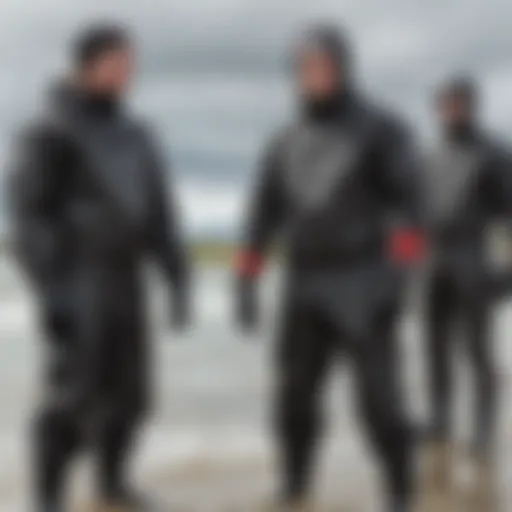
Choosing the Ideal Wet Suit for Cold Water Kiteboarding
Intro
Cold water kiteboarding can be an exhilarating experience, but it also comes with its own set of challenges, notably the need for proper gear to ensure comfort and performance. An essential component of any kiteboarder's kit in chilly waters is the right wetsuit. Choosing the appropriate wetsuit not only can enhance your performance but also protect you from the harsh elements.
When it's colder out there, your body can lose heat rapidly, making it crucial to select a wetsuit that provides adequate insulation. However, finding the right fit, thickness, and style among the innumerable options available can feel like searching for a needle in a haystack. This article will explore the nuances of selecting the most suitable wetsuit for cold water kiteboarding, breaking down essential factors like insulation materials and design considerations, along with practical maintenance tips.
These insights will help kiteboarders, instructors, and enthusiasts alike make well-informed decisions that can lead to enjoyable kiteboarding adventures, even in frigid conditions.
Equipment Insights
Latest Gear Reviews
While the market is saturated with wetsuits, not all are created equal. Recent trends indicate a growing preference for suits made with neoprene that offer enhanced flexibility without compromising warmth. For instance, the O'Neill Psycho Tech is renowned for its thermal properties thanks to its Technobutter 3 neoprene, providing exceptional stretch and quick-drying capabilities.
Another contender is the Mystic Marshall, which combines functionality and comfort. Its use of the soft marshmallow foam provides added insulation, making it well-suited for kiteboarders who spend extended time in chilly waters.
Choosing a wetsuit is akin to selecting a good pair of shoes—fit matters. Make sure to pay attention to the seams as well. Flatlock seams are common, but forking out a few more bucks for glued and blind-stitched seams can significantly improve warmth retention and durability.
"A proper wetsuit doesn’t just fit; it feels like a second skin, allowing you to focus on riding the waves instead of shivering in the cold."
Essential Gear Maintenance
Caring for your wetsuit is just as essential as choosing the right one. Neglecting proper maintenance can lead to a breakdown of the materials, compromising both comfort and performance. Here are a few simple tips to ensure longevity:
- Rinse after Use: Always rinse your wetsuit in fresh water after every use to remove salt and sand that can wear down the material over time.
- Drying Techniques: Avoid direct sunlight when drying. Instead, hang it inside out in a shaded area to prevent UV damage while allowing it to dry completely.
- Storage Method: Proper storage is key. Roll your wetsuit loosely instead of folding it, which can create creases that shorten its lifespan. Using a dedicated wetsuit hanger can also help maintain its shape.
By paying attention to these details, you're not only extending the life of your wetsuit but also ensuring maximum comfort for those cold water kiteboarding sessions.
End
Selecting the right wetsuit for cold water kiteboarding involves more than just picking the first one off the rack. It's a process riddled with important choices based on fit, material, and maintenance. Understanding these elements will allow you to enjoy your time on the water without feeling like you're battling the elements. As you prepare for your next kiteboarding adventure, equip yourself with the knowledge shared here to enhance your experience, ensuring it's as exciting and comfortable as it should be .
For more information on wave riding and equipment tips, you can visit Wikipedia on Kiteboarding, or check community insights at Reddit r/Kiteboarding.
Understanding Wet Suits
When it comes to kiteboarding in chilly waters, understanding wet suits is non-negotiable. These essential garments not only provide warmth, but they also enhance flexibility and overall performance. A wet suit acts like a second skin, trapping a thin layer of water between your body and the suit. As your body heats this water, it creates a barrier against the cold. It's a simple concept, yet an effective one that can make all the difference during prolonged exposure to low temperatures.
What is a Wet Suit?
A wet suit is a specialized piece of clothing made from materials like neoprene. The unique insulating properties of neoprene allow it to maintain the body’s temperature in cold water while providing plenty of flexibility for movement. Wet suits come in various styles and thicknesses, tailored to specific water temperatures and activities. Generally, they are classified as full suits, shorty suits, or hybrid suits depending on how much coverage they provide. Understanding these classifications helps kiteboarders choose the right suit for the conditions they'll face.
History and Evolution of Wet Suits
The origin of wet suits can be traced back to the 1950s when surfers, tired of the biting cold, began experimenting with neoprene, a product initially developed for the military. The material was perfect—it provided insulation without sacrificing mobility. Over the decades, designs have evolved significantly. Early suits were heavy and cumbersome, but today they are sleek and lightweight. Manufacturers have made strides in improving fit and comfort, nearly eliminating the discomfort that characterized early models. Advances in seam construction, materials, and even eco-friendly alternatives have further enhanced the wet suit's design, catering to environmental associations while ensuring kiteboarders remain extra cozy on the water.
"The right wet suit can turn an icy ride into a comfortable adventure, making every kiteboarding trip even more enjoyable."
With a solid grasp of what constitutes a wet suit and its historical context, readers can better appreciate the specific requirements for cold water kiteboarding. This background sets the stage for delving deeper into why these suits are crucial when kiteboarding in frigid conditions.
Importance of Wet Suits in Cold Water
When it comes to cold water kiteboarding, choosing the right wet suit can be a game changer. A well-designed wet suit not only enhances your comfort but also improves your performance on the water. Understanding the specific reasons why wet suits are crucial in frigid conditions can change your experience entirely. Let's dive into some of these core elements.
Thermal Protection
The primary function of a wet suit is to provide thermal protection. When you are kitesurfing in icy waters, your body loses heat quickly, and exposure to cold can lead to hypothermia. A suitable wet suit creates a barrier against the cold water. Generally, thicker suits are better for colder temperatures, as they trap warm water against your body, which is then gradually warmed by your body heat.


Moreover, investing in high-quality insulation materials can make all the difference. For instance, neoprene variants offer excellent warmth while allowing some flexibility. Another material, like Yamamoto neoprene, is known for being lighter and insulating, making your movements more fluid without sacrificing warmth.
Enhanced Performance
Wearing a wet suit tailored for cold water kiteboarding not only keeps you warm but also enhances performance. When you're warm, your muscles perform better, and you can maintain focus for longer periods. This is especially important when you're battling against strong winds and chilly waters.
Plus, the right wet suit allows for better mobility. Suits designed for kiteboarding often feature flexibility at joints, ensuring that every twist and turn is executed smoothly. Also, some wet suits come with additional features like internal thermal linings that can drastically improve thermal efficiency without compromising movement.
Safety Considerations
Safety cannot be understated, particularly in extreme sports like kiteboarding. A proper wet suit provides not just warmth, but a layer of protection from potential injuries. Cold water is often associated with unpredictable conditions, and a good suit can protect your body against abrasions, cuts, or even impacts from equipment.
Here’s a vital point: wearing a wet suit can also serve as a buoyancy aid. It may not replace a life jacket, but the increased buoyancy can help prolong survival times in the event of an unexpected fall or other emergencies. Always remember though, the brand and quality of the wet suit you choose contribute greatly to its durability and, ultimately, your safety.
In short, wearing a wet suit crafted for cold water kiteboarding is not merely an accessory; it’s an essential piece of equipment that ensures your safety, enhances your performance, and keeps you comfortable. The importance of selecting the right one cannot be overstated; it could quite literally be a matter of life and death on those chilly, unpredictable waters.
Key Features of Cold Water Wet Suits
When kiteboarding in frigid waters, the right wet suit can make or break your experience. Key features of cold water wet suits include aspects that not only offer thermal protection but also enhance performance and overall comfort. A well-chosen suit can maximize your ability to move freely while keeping you warm against biting winds and chill waters. Below, we’ll take a closer look at three critical components – insulation materials, suit thickness and types, and seam construction – necessary for any serious kiteboarder.
Insulation Materials
Neoprene Variants
Neoprene is the backbone of most wet suits, and it's not just any run-of-the-mill material; it's like the bread and butter of swim gear. There are different kinds of neoprene, each with its unique mix and properties. For instance, limestone neoprene is lighter and has a lower carbon footprint compared to traditional oil-based neoprene. This variant is popular as it keeps the suit warm without being bulky. With better flexibility, it offers ease of movement when you’re carving through waves.
However, it may not provide the same durability as some other neoprene types when faced with the rough and tumble of tides. The choice often boils down to balancing warmth and durability, depending on one’s riding style.
Thermal Linings
Then there are thermal linings, which serve as an extra layer for insulation, trapping body heat effectively. These linings can make a significant difference in colder climates, giving you that snug, warm feeling without weighing you down. The most common materials used include fleece or specialized synthetic blends.
Some thermal linings can be prone to adding thickness, so it’s essential to find a suit that incorporates lightweight thermal material. The right thermal lining keeps you warm on those long days on the water while allowing quick drying, which can be a game-changer if you’re planning to be in and out of the water multiple times.
Eco-Friendly Alternatives
In today’s environmentally-conscious world, eco-friendly alternatives are gaining traction. Brands are developing wet suits made from recycled materials or bio-based neoprene—great news for the ocean that kiteboarders love to ride on. These materials maintain a balance between performance and sustainability, meaning you can shred waves while feeling good about your environmental impact.
However, it’s worth noting that the performance of these alternative materials can sometimes lag behind their traditional counterparts, especially in extreme conditions. Finding that perfect balance may mean trial and error for many riders.
Thickness and Suit Types
Full Suits
Full suits, as the name implies, come with long sleeves and legs. They are the foundational option for cold water kiteboarding. The thickness is usually around 4-6mm, which is significant for thermal protection. Riding in temperatures below 60°F or so, a full suit is often the safest bet.
It wraps you up completely, giving minimal body exposure to cold air and water. It’s no secret that they can feel a bit constricting at times, so selecting one that fits well and has good flexibility is key to keeping your performance high.
Shorty Suits
Shorty suits are like the younger siblings of full suits, covering the torso and upper arms but leaving legs exposed. While they typically suffice in moderate temperatures, they may not cut it for severe chill. For kiteboarding at the start of the season or during warmer days in spring, shorty suits work well.
The primary advantage is the added mobility they provide, allowing for easier movement. Nonetheless, if you’re braving water temperatures that are cooler, they might leave you wanting a lot more warmth.
Hybrid Suits
Hybrid suits combine features of both full and shorty suits, providing versatility in different conditions. They often have long sleeves while leaving the legs short, or they may have different thickness zones, offering greater comfort without sacrificing warmth. Depending on where you ride, a hybrid suit can adapt well, giving you warmth where you need it but allowing more freedom elsewhere.
However, let the caveat be made clear: they may not meet the thermal standards of a full suit in extreme conditions. So, if you fancy riding in icy waters, this may not be your best choice.


Seam Construction
Flatlock Seams
Flatlock seams are the most basic of seam types used in wet suits. They are sewn together rather than glued, lying flat for comfort. This construction technique makes for durable seams that allow for significant movement, perfect for kiteboarding maneuvers.
One downside is that these seams are not as sealed, meaning they can let in water, making them less preferable in very cold conditions. They do provide breathability, which is a trade-off you will have to think about.
Glued and Blindstitched Seams
A step up, glued and blindstitched seams offer a higher level of waterproofing, as they have a glued barrier to reduce water leakage. These seams are essential for kiteboarders who often find themselves submerged. Though they can feel a bit stiff, many find the trade-offs worthwhile, especially when temperatures drop.
Taped Seams
Taped seams go a step further and provide the ultimate in waterproof performance. They apply a layer of tape over the seams on the inside, sealing the tiny holes left by stitching. While this type can be pricier and a bit bulkier, kiteboarders willing to invest reap the rewards of warmth and dryness.
With various seam types available along with dozens of other considerations, choosing the right wet suit can give kiteboarders just the right number of advantages on the water. Finding a balance of comfort, warmth, and maneuverability is your key to a successful ride.
Fit and Comfort
A proper fitting wet suit is paramount for good performance. If your suit slides around or pulls in the wrong places, it will be a distraction at best and debilitating at worst. Ensuring you have the ideal fit—snug, without being restrictive—plays a big role in hydration loss while maintaining body temperature. Remember, comfort translates directly to control and that’s essential when you want to make those high-flying tricks possible.
Choosing the Right Wet Suit Size
When it comes to engaging in cold water kiteboarding, one of the most crucial elements is choosing the right wet suit size. Not only does the fit affect your overall comfort in chilly waters, it also plays a significant role in thermal protection. A well-fitted wet suit acts as a second skin, trapping warmth close to your body while allowing for necessary mobility. The importance of this section cannot be overstated; a suit that is either too large or too small can easily lead to discomfort, loss of body heat, or even hinder your performance on the water.
Sizing Charts and Measurements
To make a truly informed decision when selecting a wet suit, it's essential to reference the sizing charts provided by manufacturers. These charts typically indicate measurements for chest, waist, hips, and height, allowing you to pinpoint the ideal size. A few tips to consider when taking your measurements:
- Chest: Wrap the tape measure around the fullest part, ensuring it sits comfortably across your back.
- Waist: Measure around your natural waistline, which is generally situated just above your belly button.
- Hips: Measure at the widest point of your hips.
- Height: Stand straight against a wall and measure from the top of your head to your feet.
Accurate measurements can really make a difference, so it's advisable to ask a friend for help if possible, to ensure you get it right. If you find yourself in between sizes, remember, a slightly tighter fit is often better, as wet suits do stretch and will loosen up after some use.
Common Mistakes to Avoid
Selecting the right size is not just about going with the label; there are several common pitfalls to avoid in the sizing process:
- Ignoring Brand Variations: Different brands can have different sizing charts. Don't assume that a medium in one brand is the same as a medium in another.
- Relying Solely on Size Labels: Don’t get too attached to the size tag. Fit is paramount, and how the suit feels on you should take precedence over the number.
- Neglecting Body Shape: Everyone’s body is different. A suit might fit snugly around the chest but may be too loose around the legs. Choose a suit that suits your specific body shape.
- Overlooking Flexibility: While thermal protection is necessary, don’t go for a size that restricts movement. Movement is key in kiteboarding; a great fit allows you to ride comfortably.
Remember, a wet suit that fits well not only keeps you warmer but also enhances your performance on the water. Ideal fit promotes better maneuverability, enabling you to react to the wind and waves swiftly.
Maintenance and Care of Wet Suits
Caring for your wet suit isn’t just a good practice; it’s essential for keeping it in tip-top shape, especially if you're diving into cold water kiteboarding. A wet suit bearing the brunt of chilly, harsh conditions needs your attention. Regular maintenance can extend its life, enhance performance, and ultimately save you bucks on replacements.
Why is this the case? Well, think of your wet suit as your second skin when you’re riding the waves. If it’s not clean and well-cared for, not only does it start to smell like a mildew-ridden gym bag, but it can also lose flexibility, become less insulating, and even develop damage over time.
Let’s break down the critical elements of wet suit care into digestible parts, focusing on cleaning, drying, and storage.
Cleaning Routine
This isn’t just about a quick rinse. To keep your wet suit performing as it should, develop a proper cleaning routine. After each session, you should:
- Rinse with Fresh Water: Right after you finish, rinse it inside and out with fresh water. This helps wash away salt, sand, and chlorine — the three culprits that can lead to deterioration over time.
- Use Mild Detergents: While it might be tempting to go all out with harsh soaps, stick to mild, biodegradable detergents. Believe it or not, even conventional soap can strip away the natural oils and cause more harm than good.
- Avoid the Washer: Resist the urge to toss your wet suit in the washing machine. Hand wash only! Forcing it through a machine’s cycle can stress seams and damage fabric.
- Scrub Gently: If you spot a particularly stubborn stain, use a soft bristle brush to gently scrub. Be super careful around high-stress areas like the knees and elbows.
By following these steps, you’re setting the wet suit up for longevity and improved performance during those blistering cold sessions.
Drying Techniques
Drying your wet suit properly after cleaning is crucial as well. You may think tossing it over a chair will do the job, but that can lead to sagging or, worse, distorting the suit’s fit. Here’s the drill:
- Turn it Inside Out: Begin by turning your wet suit inside out to allow the inner layer to dry first. The foam needs the air to reach it effectively.
- Hang it Up: Hang it on a wide hanger or lay it flat on a drying rack. This prevents stretching that can ruin its shape over time.
- Avoid Sunlight: Never leave it in direct sunlight; harsh UV rays can weaken the material, causing it to degrade faster.
These steps might seem simple, but they can make a world of difference in how your wet suit looks and performs down the line.
Storage Recommendations
When it comes time to hang up your kite gear for the season or simply when you’re not using it, storage plays a massive role in maintaining your wet suit’s integrity.
- Keep it Cool and Dry: Find a cool, dry place away from direct sunlight. An attic or a poorly-insulated shed might not cut it as materials can warp in extreme temperatures.
- Avoid Folding: Always hang your wet suit, avoiding folds that can create creases or weaken the seams.
- Use a Suit Bag: If you want to go the extra mile, consider placing it in a specific wet suit bag. This protects it from any snagging or damage from other gear.
Remember: a wet suit that's well cared for not only serves you better but also keeps you warm and safe when kiteboarding in cold waters. Investing time in maintenance means less hassle down the road!
Overall, following a consistent regime for maintaining your wet suit enhances its lifespan and ensures that it remains in optimal condition for all your cold water kiteboarding adventures.
By knowing how to clean, dry, and store your wet suit correctly, you’re not just prolonging its life; you’re also reinforcing your confidence and enjoyment as you cut through the bracing waves.
Integrating Wet Suits into Kiteboarding
A wet suit isn't just a piece of clothing; it's a necessity for kiteboarding, especially in cold waters. Integrating the right wet suit into your kiteboarding gear can greatly enhance your overall experience. Since kiteboarding often involves a mix of water and wind elements, having the right wet suit ensures that you not only keep warm but also maintain agility while performing tricks.
When you think about kiteboarding gear, wet suits are vital because they provide thermal protection and buoyancy. A great wet suit allows you the freedom to move while still providing necessary insulation. The combination of your wet suit working harmoniously with other equipment can lead to better performance on the water, higher safety levels, and all-around comfort.
Pairing Your Wet Suit with Other Gear
Impact Vests
Impact vests play a crucial role in enhancing your safety while kiteboarding. They provide protection against the water’s impact or even a potential fall while you cut through demanding waves. The unique characteristics of impact vests include additional padding along the sides and back, which can serve as a buffer during hard landings.
While wearing a wet suit is essential for temperature control, adding an impact vest can be beneficial for reducing injuries. Many kiteboarders choose these vests because they are designed to fit snugly underneath the wet suit without causing discomfort. However, maintaining a balance between safety and mobility is essential; too bulky an impact vest can hinder movement.
Boots and Gloves
Boots and gloves are not optional in cold water kiteboarding; they are crucial. These items keep your extremities warm, significantly improving your overall comfort. The key characteristic of boots and gloves is their insulation, which allows you to maintain better grip and control over your board.
A unique feature of specialized kiteboarding boots is that they often come with a non-slip sole, enhancing grip on both the board and slippery surfaces. When it comes to gloves, many options on the market include tapered fingers to improve dexterity, which is good for tasks like adjusting your gear. These advantages are undeniable; however, it’s important to try various models, too tight or too loose may negatively affect your performance.
Accessories
Accessories, while sometimes overlooked, can significantly amplify your kiteboarding setup. Items such as hoods, neck gaiters, and even thermal rash guards can serve to provide additional warmth and comfort. Each of these pieces has its characteristics; for instance, a hood can cover your ears and keep you warmer, thus preventing fatigue during long sessions on cold days.
The market offers a variety of options, making it easier to find the right fit over time. Accessories are popular in cold water kiteboarding for a reason: adding these lightweight layers can greatly protect you from chilly winds and splashes, giving you that little extra varnish of comfort while you ride. However, selecting accessories that fit properly is vital, as ill-fitting items may cause distraction.
Adapting to Weather Changes
Adapting to changing weather conditions is an ongoing challenge for kiteboarders. With the unpredictability of Mother Nature, it’s crucial to understand how to adjust your gear effectively. One must constantly monitor water temperature and weather reports to ensure that your selections are appropriate for the conditions at hand.
If temperatures drop suddenly, having a well-selected wet suit along with appropriate accessories becomes vital. This way, even if it is breezy and chilly, you're equipped not just to handle the kite but also to enjoy your time out on the water.
Overall, the right combination of wet suits, accessories, and gear can significantly improve your kiteboarding experience. Make sure to consider all factors and select pieces that enhance both your enjoyment and performance. 🏄♂️
Ending
When it comes to cold water kiteboarding, the role of the wet suit cannot be overstated. It is more than just a piece of gear; it is an essential safeguard against the harsh elements that the ocean and wind can throw at you. Choosing the right wet suit impacts your performance, comfort, and ultimately, your safety while out on the water. If you really think about it, your suit acts like an additional layer of skin that not only helps to regulate your body temperature but also improves your overall experience as you ride the waves.
Final Thoughts on Cold Water Kiteboarding
As enthusiasts navigate the cool waters, it’s vital to invest time in carefully selecting the right wet suit. Different styles and constructions offer unique advantages that could cater to individual preferences or specific conditions. From insulation materials that retain heat to designs that give you flexibility and movement, understanding these elements is crucial.
- Remember to always consider the fit of the wet suit. A well-fitted wet suit prevents water from seeping in, thus enhancing thermal protection.
- Don’t overlook the material either; neoprene quality can vary significantly, so looking for options with eco-friendly alternatives may be worth your while.
- Whether opting for a full suit, shorty, or hybrid, think about your local environment and typical weather conditions.
"The water may be cold, but with the right gear, you can chase the waves comfortably and confidently."
Implementing these insights will position you better within the sport. Equip yourself wisely, and let your adventures in cold water kiteboarding be always memorable.