Mastering Wing Foiling: A Complete Learning Guide
Intro
Wing foiling is emerging as a thrilling frontier in the domain of water sports. The blend of windsurfing's harnessing wind currents, kitesurfing's aerial dynamics, and paddleboarding's stability presents enthusiasts with an exciting pursuit on water. Learning this sport not only hones your physical skills but also instills a profound connection with nature, as you glide across waves under the energy of the wind.
This guide is designed to unravel the intricacies of wing foiling. Whether you’re taking your first step into this captivating world or you’re an experienced rider aiming to elevate your skills, you’ll find valuable insights here. From fundamental knowledge to advanced techniques and crucial safety protocols, each segment will equip you to navigate both the learning curve and the water itself.
Now let's dive into the essential equipment that makes wing foiling not just possible, but immensely enjoyable.
Equipment Insights
Latest Gear Reviews
When stepping into wing foiling, the type of equipment you choose can make all the difference. A well-suited setup not only enhances your performance but also ensures your safety and comfort on the water. Some key gear components include:
- Wings: The wing is your primary tool for harnessing wind. A few popular ones, such as the Duotone Echo and F-One Swing, offer various sizes catering to different wind conditions and rider levels.
- Boards: The board you select should match your skill level and the conditions you expect to encounter. Options like the Naish Hover and Starboard Freeride are often recommended for both novice and seasoned riders due to their stability and versatility.
- Foils: Foiling can transform your experience, allowing you to lift above the waves. Brands such as GoFoil and Armstrong provide a range of foils, with characteristics tailored to performance and ease of use.
Investing in gear that aligns with your goals is crucial. Consider how each piece interacts with your riding style and the conditions you usually encounter.
Essential Gear Maintenance
Maintaining your equipment is as important as selecting the right gear. Here’s how to ensure longevity and optimal performance:
- Regular Checks: Inspect your wings for tears and leaks. Small issues, if left unattended, can lead to larger problems.
- Foil Components: Keep the fuselage, mast, and wings clean and free from sand and salt, as these can corrode connections over time.
- Storage: Store wings out of direct sunlight when not in use. A good bag helps protect against wear and tear.
- Inflation: Ensure your wings are properly inflated before each session. Over-inflation can stress seams, while under-inflation can lead to poor performance.
"Regular maintenance not only extends the life of your equipment but also enhances your overall experience by ensuring reliable performance on the water."
Technique Exploration
Beginner Techniques
Starting in this sport takes patience and practice. Initially, focus on the basics:
- Balancing: Start on calm water, standing on your board while holding the wing. Practice finding your center of gravity and adjusting to the wind's push.
- Getting Up: Learn to get up on the board while keeping the wing angled appropriately to catch the wind. Push down on the front foot to gain speed without overpowering the board.
- Tacking: Master the art of turning by shifting your weight smoothly. This involves a series of shifts in your foot positioning and wing angle that will become second nature with practice.
Advanced Maneuvers
As you gain confidence, you can explore more complex techniques that add flair to your riding:
- Jumps: Incorporate jumps by loading up your legs and using the wing to provide lift. Timing is essential, as you want to release the pressure at the right moment.
- Downwind Riding: Mastering this maneuver allows you to ride with the wind, utilizing the foil’s lift to glide effortlessly across the water.
- Transitions and Carving: Play with your turns, combining speed and angles to create smoother movements and enjoy the thrill of carving through waves.
Understanding these techniques will help you progress quickly and safely.
Embracing the world of wing foiling is no small feat, but with dedication and the right knowledge, you can conquer the waters. Whether refining basic skills or leveling up with advanced maneuvers, each step of the journey promises to be rewarding.
Preface to Wing Foiling
Wing foiling is rapidly becoming a significant player in the realm of water sports, captivating enthusiasts and newcomers alike. It's more than just a sport; it's a harmonious blend of adrenaline, balance, and connection to nature. Understanding wing foiling not only sets the stage for mastering the sport but also broadens one’s appreciation for the intricacies of wind and water dynamics.
Understanding the Basics
At the core of wing foiling lies the wing itself. Resembling a small, inflatable sail, it captures the wind and assists users in gliding over the water on a hydrofoil. This foil, attached below the board, elevates it above the water’s surface, creating a surreal sensation that is both exhilarating and serene.
To truly grasp wing foiling, it’s crucial to familiarize oneself with terms such as "foiling", which refers to the act of lifting the board above the water, and "riding", which indicates maneuvering across the water's surface. The experience is often described as floating, dancing along waves, powered solely by the wind at one’s fingertips.
Historical Context
The evolution of wing foiling can be traced back to various elements of wind sports. In the early 1970s, windsurfing emerged, offering a novel way to harness wind for travel across water. Fast forward a couple of decades, and kitesurfing introduced a new dynamic, utilizing a kite for propulsion. Wing foiling represents the latest in this lineage, having started gaining traction around the late 2010s.
The adaptability of wing foiling to various water conditions—be it calm lakes or the open ocean—has played a vital role in its climb to popularity. Unlike traditional windsurfing or kitesurfing, wing foiling’s unique design allows riders to feel liberated from constraints.
Comparative Analysis with Other Water Sports
Wing foiling stands out in the pantheon of water sports for several reasons:
- Equipment Versatility: Unlike kitesurfing or windsurfing, wing foiling requires less equipment to get started. A simple setup of a board, a wing, and a foil is often enough to explore this sport.
- Learning Curve: While each sport has its own challenges, many newcomers find wing foiling easier to learn on than windsurfing, thanks to its intuitive nature. The wing can be held aloft with both hands, allowing riders to maintain stability as they gain confidence.
- Freedom of Movement: In wing foiling, riders enjoy greater freedom to maneuver, allowing for various styles, whether it’s cruising at high speeds or executing tricks.
In short, wing foiling offers an accessible yet thrilling experience compared to its counterparts, making it appealing to all ages and skill levels.
"Wing foiling is like unlocking a new realm of experience on the water, blending the thrill of windsurfing and the elegance of riding a hydrofoil."
Overall, understanding wing foiling provides a solid foundation for newcomers eager to embark on this exciting journey. With the right mindset, a modest set of equipment, and an awareness of the underlying principles, one can glide effortlessly across the water, embracing nature in its most dynamic form.
Essential Gear for Wing Foiling
When stepping into the world of wing foiling, having the right gear is not just a suggestion—it's essential. The equipment you choose shapes not only your performance but also your safety and enjoyment of the sport. Each component plays a critical role in your overall experience on the water. Considerations like your skill level, the conditions you plan to ride in, and personal preferences will influence your choices. In this section, we delve into the essential equipment needed for wing foiling, focusing on the nuances of wings, foils, boards, and safety gear.
Wings: Types and Features
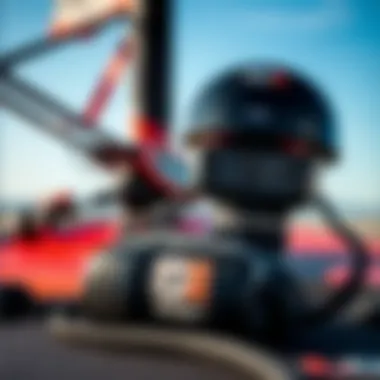
Wings are the heart and soul of wing foiling. They come in various shapes, sizes, and materials, each designed with specific riding styles and conditions in mind. Understanding these variations can dramatically enhance your performance.
- Type of Wings: Wings can be classified into different categories based on their purpose:
- Features to Consider: Look for elements such as:
- Freeride Wings: Best for those who want a mix of speed and maneuverability.
- Race Wings: Designed for speed enthusiasts aiming for serious competitions.
- Wave Wings: Crafted to handle the challenges of surf conditions.
- Wing Size: A larger wing provides more lift and is ideal for lighter winds, while smaller wings might be better for high-speed maneuvers.
- Aspect Ratio: A higher aspect ratio often leads to better efficiency while flying, but it may be less forgiving for beginners.
- Material: Common materials include polyester and mylar, which influence weight and durability.
Choosing the right wing can set the stage for a better learning curve and improved skill development.
Foils: Components and Specifications
Foils are the unsung heroes of wing foiling. They enable the lift that lets you glide above the water, achieving that exhilarating sensation of flying. Here’s a breakdown of their essential components:
- Front Wing: This is where the magic happens. The size and shape directly impact lift and performance. Larger front wings are usually forgiving for beginners, while smaller options favor advanced maneuvers.
- Tail Wing: Often overlooked, the tail wing influences stability and maneuverability. Different designs can help you find balance as you ride.
- Mast: The mast connects the wing to the board. Length varies, affecting how high you ride above the water. A shorter mast can be easier for beginners, reducing the risk of crash landings.
- Fuselage: This piece binds the wings and mast. Different lengths can influence the turning radius and responsiveness of your setup.
When looking at foils, consider your riding style and conditions. An ideal foil setup balances speed, control, and comfort.
Boards: Design and Selection
Selecting the right board is like finding your perfect pair of shoes; it needs to fit your style and skill level. When considering boards for wing foiling, keep the following in mind:
- Board Size: Generally, larger boards offer more stability, which benefits learners. However, advanced riders often opt for smaller boards to enhance their performance and control.
- Volume: This affects buoyancy. Higher volume boards float better, making it easier to start off, while lower volume ones favor ease of finagling turns and tricks.
- Shape: Different shapes suit varied riding styles. A twin-tip board is good for versatility, while a directional board can be tailored for specific conditions, like waves.
- Construction Material: Foam-core boards tend to be lightweight and deliver better flotation, while solid constructions provide durability.
The right board plays a critical role in enhancing your balance and comfort in the water.
Safety Equipment and Accessories
Safety gear paddles a significant course through the practice of wing foiling. Having the right safety equipment can give both beginners and experienced riders peace of mind while enjoying their time on the water:
- Impact Vest: It provides cushion while preventing injuries during falls. Not all vests are created equal, so ensure that it fits well and doesn't restrict movement.
- Helmet: Protect your noggin. A good helmet isn't just for show; it can make the difference in case of accidents.
- Leash: A necessary accessory to keep your wing close if you wipe out. It prevents you from losing your gear in rough conditions.
- Floating Devices: Depending on the location, wearing a buoyancy aid can add a layer of safety. Look for options that are comfortable yet provide sufficient flotation.
Safety is not just an accessory; it’s a prerequisite.
By prioritizing and investing in the proper gear, you set yourself up for a more successful, enjoyable, and safe experience in wing foiling. The choices you make here not only affect your performance but also affect your longer journey in mastering this thrilling sport.
Fundamental Techniques in Wing Foiling
The fundamental techniques in wing foiling are vital for anyone looking to master this exhilarating sport. These techniques lay the groundwork for effective and safe riding, creating a strong foundation for further skill development. Each technique not only boosts your confidence but also allows you to appreciate the thrilling nature of wing foiling, blending the elements of water and wind into a harmonious experience.
Exploring these basics will equip you with the necessary skills to handle various conditions, maneuver effectively, and improve your overall practice. Mastery of these techniques contributes to a deeper understanding of the sport while promoting safety and control, which are paramount for both new riders and seasoned enthusiasts.
Launching the Wing
Launching the wing is your first real touchpoint in wing foiling, and getting this right is crucial for a smooth start. Position your wing correctly on the water, aligning it against the wind. As you start, feel the elements at play. The way you angle your wing will dictate how effectively you can launch. When the wind fills the wing, you should feel it tug gently. This moment is your cue; it’s time to step onto your board.
An important aspect of launching is timing. You'll need a keen sense of when the wind is strong enough to lift you but not so vigorous as to throw you off balance. Take a moment to observe the rhythm of the wind; timing can be the difference between a flawless take-off and a wobbly start. Remember, practice is key.
Getting Up on the Board
Once you’re at the stage of launching, the next step is getting up on the board. This part can be tricky, so patience is essential. Try to keep your weight centered and fluid as you shift from a seated position to standing. Achieve this by looking where you want to go, not at your feet, and focus on a steady pressure on the back foot for balance.
If you find yourself struggling, don’t fret—most beginners do! Focus on maintaining a low center of gravity at first. It can take some time, but each wobble brings you closer to that first smooth ride.
Navigating Different Conditions
Navigating different conditions is not just about confronting challenges; it's about embracing the diversity they offer. Each condition presents a unique way to engage with the water. Understanding the nuances can make an enormous difference in how you approach each session.
Wind Direction and Strength
Wind direction and strength are critical aspects of successful wing foiling. The wing’s responsiveness hinges on these factors. Strong winds give power but require finesse, while lighter breezes demand patience and skill to harness the energy of the wing. Knowing how to read the wind can lead to an exhilarating experience on board.
A beneficial aspect of understanding wind direction is its correlation to your skill set. Beginners can start with sideshore winds, which are generally safer to venture into, while more advanced riders might seek out offshore winds for exhilarating runs. Ultimately, recognizing the wind's behavior is key to adapting your technique effectively.
Water Current Considerations
Water currents can fluctuate widely depending on location and weather patterns, adding another layer of complexity. If you’re in a tidal area, for example, understanding the current's timing can either assist or inhibit your progress. Conversely, a lack of current can sometimes feel more challenging, as you might be relying solely on the wind.
A major characteristic of currents is their unpredictable nature. It can make for exhilarating practice when tamed but can also lead to misadventures if you're caught off guard. Safely navigating currents entails being aware of water patterns and local conditions. Investing time to observe and understand your environment will enhance your skill considerably.
Turning and Maneuvering
Mastering turning and maneuvering techniques is the icing on the cake; these skills allow for creativity on the water. Sharp turns and smooth transitions differentiate a novice rider from a seasoned flyer. Engaging with the wind and adapting to the water’s flow will empower you to make your ride uniquely yours.
Training Strategies for New Learners
Getting into wing foiling can be both exhilarating and daunting for new learners. The right training strategies can ensure a smoother transition into this exciting sport, preventing frustration and fostering a love for the water. Approaching your learning journey with structured strategies can lead to more rapid skill acquisition and a deeper understanding of the nuances involved in wing foiling.

Setting Achievable Goals
One of the first things to consider as a new wing foiler is the importance of setting achievable goals. Start by delineating what you wish to accomplish in your training. Instead of aiming for perfection immediately, consider breaking your learning into smaller, manageable milestones. For instance, you could prioritize simply mastering balance on the board before progressing to turning or jumping.
Setting achievable goals lends you a sense of direction, keeps motivation high, and helps track progress. Always remember to reassess your goals as you advance; what might have seemed out of reach initially could become feasible as your skills develop. This methodical approach ensures you won’t bite off more than you can chew, setting a solid foundation for your wing foiling journey.
Choosing the Right Location for Learning
Flat Water vs. Waves
Choosing where to learn plays a crucial role in your wing foiling experience. Both flat water and waves offer unique challenges and benefits. Flat water, often seen in lakes or estuaries, is a popular choice among beginners due to its predictable conditions. Learning in flat water allows you to focus on mastering basic skills like balance and controlling the wing without worrying about the complexities that waves introduce.
On the flip side, practicing in wave conditions can be immensely rewarding as you progress. Waves can help develop your ability to respond to changing conditions and improve your skills, but they require more experience. Thus, early on, flat water is the way to go, but over time you may want to tackle the challenges that waves bring.
Wind Consistency
Another key consideration for new learners is wind consistency. Ideally, you want to choose a location with steady winds, as gusty conditions can lead to erratic performance on the board. Consistent wind allows learners to focus on refining their technique without frequent interruptions from sudden lulls or strong gusts.
A place known for its reliable wind patterns can be a great asset in your training. For instance, locales with seasonal trade winds provide a reliable backdrop for consistent practice sessions. This reliability ensures each outing is productive, aiding in steadier skill advancement. Keep your eye out for local spots and community advice—sometimes, local word-of-mouth can guide you to the best hidden gems for training.
Finding Instructional Resources
Many learners find that instructional resources can vastly accelerate their progress. Seeking out local instructors, clinics, or workshops can make a world of difference in your learning curve. Online platforms like YouTube or dedicated forums can offer valuable tips and tricks. Joining a community on Reddit or engaging in Facebook groups dedicated to wing foiling puts you in touch with seasoned enthusiasts willing to share their experiences. This cumulative knowledge can provide insight into avoiding common pitfalls and best practices that you can apply as you learn.
In summary, focusing on achievable goals, carefully selecting your training location, and leveraging instructional resources combine to create a foundation for effective learning in wing foiling. Taking these strategies to heart will allow you to navigate the learning process confidently and efficiently.
Safety Considerations in Wing Foiling
Wing foiling is not merely a hobby; it's an exhilarating dance with nature. Yet, much like any water sport, it comes with its set of risks. Understanding safety considerations is paramount for enjoying this sport without inviting preventable mishaps. Knowledge of regulations, weather patterns, and emergency procedures lays a solid foundation for a safe experience on the water. When equipped with the right mindset and precautions, one can transform potential dangers into manageable, exhilarating challenges.
Understanding Local Regulations
Every body of water has its own rules governing the do's and don'ts of water sports. It’s crucial to familiarize yourself with local regulations before heading out. Regulations can cover several areas:
- Usage Areas: Different zones may have marked spaces for specific activities like wing foiling, while other areas might be off-limits to ensure safety and avoid congestion.
- Permit Requirements: Certain regions may require permits or registration for specific water activities. Failure to comply can lead to fines or even a ban from local waters.
- Environmental Protections: Be mindful of local wildlife and ecosystems. Some areas may restrict access during breeding seasons for specific species or have guidelines to minimize human impact.
Each lake or ocean has a tale to tell, but it’s your responsibility to listen closely to what laws and regulations say before diving into those waters. Check local resources such as government and environmental sites or community forums to stay informed.
Weather and Water Awareness
The elements are both friends and foes in wing foiling. Recognizing how weather factors steer your performance is essential.
First and foremost, observe the wind conditions:
- Light winds can be deceiving; just because it seems calm on the shore doesn’t mean it’s the same on the water.
- When winds pick up near shore usually means they may be even stronger off the coast.
- Wind shifts can happen quickly, impacting your control on the water.
Additionally, keep a keen eye on water conditions:
- Currents and Tides: Understanding how tides affect your launch and landing spots is vital. Currents can be tricky and might drift you into unexpected areas.
- Wave Patterns: Larger swells while wing foiling can challenge a learner’s balance and steering. Familiarize yourself with what swells feel like before riding in bigger waves.
Consider also to check weather forecasts regularly using reliable sites, like weather.gov or local marine reports. It's better to err on the side of caution than to find yourself battling the elements unexpectedly.
Emergency Procedures
No matter how experienced or cautious you are, accidents can happen. Having a solid plan for emergencies can save lives and mitigate unfortunate outcomes. Here are some important procedures to follow:
- Communicate: Always inform someone on the shore of your plans. Where you plan to go, what time you’ll return, and who to contact in case of trouble. Silence on the waters can be dangerous.
- Know Emergency Signals: Whether it’s signaling for help or establishing communication with fellow riders, know the internationally recognized signals for assistance. A raised arm can go a long way in gaining attention.
- First-Aid Kit: Carry a portable first-aid kit specifically designed for water activities. Include items like antiseptics, bandages, and a whistle. If things turn sour, being equipped can make a world of difference.
"An ounce of prevention is worth a pound of cure," and in the context of wing foiling, this couldn’t ring truer. Plan for the unexpected to ensure every ride is as enjoyable as possible.
Overall, prioritizing safety in wing foiling fosters a culture of responsibility among riders, ensuring that everyone can share the water in harmony. Stay informed, be prepared, and respect both the sport and its environment to take full advantage of the exhilarating world of wing foiling.
Progressing Your Wing Foiling Skills
Wing foiling is not just about the thrill of skimming over the waves or catching that perfect gust of wind; it’s also a journey of continuous improvement. Each time you take to the water, you refine your skills, push your boundaries, and deepen your understanding of the sport. Progressing in wing foiling means mastering the basics, but it also entails delving into advanced techniques and engaging with the broader community. This section will explore the key elements essential for advancing your wing foiling skills, providing insights into how to build speed and control, execute intricate maneuvers, and participate in community events that enhance your experience.
Building Speed and Control
When it comes to wing foiling, speed and control are the dynamic duo. Being able to accelerate quickly while simultaneously maintaining a steady grip on the wing can dramatically enhance your performance and enjoyment on the water. Learning to manage your weight distribution is crucial; shifting your body back when you want to add speed will help you harness the power of the wind effectively. Additionally, it is essential to understand how the foil interacts with the water.
Here are a few pointers:
- Body Positioning: Keep your knees bent and your center of gravity low to maintain stability.
- Wing Control: Practice adjusting the angle of the wing relative to wind direction to maximize power without losing control.
- Speed Drills: Use buoy markers to create a course; challenge yourself to navigate quickly and accurately.
Building this foundational control not only sets the stage for advanced techniques but also infuses confidence in your overall handling of the equipment.
Exploring Advanced Maneuvers
With solid basics under your belt, it’s time to spice things up by adding advanced maneuvers to your repertoire. These skills will set you apart and enhance your overall experience.
Jumping
Jumping is a defining part of wing foiling, allowing riders to elevate their skills and impress onlookers. Achieving height in your jumps requires precise timing and a good understanding of your foil’s lift capabilities. The thrill of catching air, even for a split second, can be profoundly rewarding.
- Key Characteristic: Timing your takeoff with gusts of wind is essential.
- Benefits: Jumping can bring immense satisfaction and gives you a rush like no other.
- Unique Feature: The height and distance of your jumps can vary based on the wind and water conditions, which means every session offers a unique challenge.
However, not every jump will land perfectly. The risk of losing balance can be higher, making it critical to practice in safer conditions before trying stunts in large swells or choppy waters.
Carving
Carving is where finesse meets artistry. The ability to carve smoothly through the water enhances not only speed but also your overall technique. This maneuver involves shifting your weight and using the foil's angle to turn while maintaining speed.
- Key Characteristic: Weight shifting and leaning into the turn is crucial for a successful carve.
- Benefits: Carving improves your overall control and efficiency on the water, allowing for more fluid transitions.
- Unique Feature: Unlike jumping, carving can be practiced continuously, making it a smooth and gradual learning curve.
Learning to carve effectively opens avenues to many advanced tricks and maneuvers, enhancing both your skill set and enjoyment of wing foiling.
Participating in Community Events
Community events are more than just a chance to show off skills; they’re a great way to learn. Engaging in local competitions or casual meetups fosters a sense of belonging within the sport. You can share tips, watch others, and get feedback on your techniques.
- Networking: Meet fellow enthusiasts who might become lifelong friends or mentors.
- Learning Opportunities: Many community events offer workshops or mini-lessons where you can hone specific skills.
- Competition: Even friendly competitions can heighten your excitement and push your limits.
In essence, participating in community events does wonders for your learning curve, allowing you to advance your skills and deepen your appreciation for wing foiling.
"The only way to truly learn is by engaging with others who share the same passion; you’ll discover what you didn’t know you needed to learn."
Maintenance and Care for Equipment
Proper care and maintenance of equipment is crucial in wing foiling. Just like a car needs regular checks to run smoothly, your gear also requires attention to extend its life and enhance performance on the water. Over time, neglect can lead to wear and tear that not only diminishes the performance of your equipment but can also pose safety risks while you’re out enjoying the sport. Understanding how to properly clean, store, and troubleshoot your gear will ensure you have a seamless experience on the water.
Cleaning and Storage Practices
Cleaning your gear after each use may seem like a chore, but it’s a fundamental part of maintaining its longevity. Sea salt, dirt, and sand can cause significant damage if they are left on your equipment for too long. To properly clean your gear:
- Rinse with Fresh Water: After each session, immediately rinse your wings, foils, and boards with fresh water. This removes any salt or dirt that may have clung on.
- Use a Soft Cloth: When cleaning, use a soft cloth or sponge to avoid scratching the surfaces. For stubborn stains, a mild detergent can be used, but this should be minimal.
- Check for Damage: While cleaning, take a moment to inspect for any scratches, dents, or other signs of wear. Early detection can save you from headaches down the road.
- Dry Completely: Make sure everything is completely dry before storing. Leaving damp gear can lead to mold growth, which is a nightmare for your equipment.
As for storage, it's about finding the right environment. Look to keep your equipment in a cool, dry place out of direct sunlight. If possible, avoid storing your gear in a hot car or a damp shed. Using padded bags or cases can also help protect against accidental bumps or drops.
Maintaining your gear not only saves money in the long run but also ensures a safer experience on the water.
Troubleshooting Common Issues
Even the best-maintained gear can run into problems from time to time. Knowing how to troubleshoot these issues can save you time, and let you get back to the sport you love without ill effects. Here’s a simple list of common problems and their solutions:
- Air Leaks in the Wing: If you notice the wing isn’t holding air as it should, inspect the seams and valves for any small punctures. A simple patch kit can come in handy, or consider contacting a professional to do the repair.
- Foil Issues: Problems with the foil might manifest as vibrations or loss of lift. Check for any bends in the mast or cracks in the wings.
- Board Dings: A ding might seem minor, but if water gets in, it could compromise the board’s integrity. Seal small cracks with epoxy or tape until a proper repair can be made.
Most importantly, always refer to the manufacturer’s manual or guidelines for specific troubleshooting steps. Keeping good communication with your fellow enthusiasts can also yield helpful tips.
For more in-depth guidance, resources such as the Kiteboarder community on Reddit or equipment-specific forums can be invaluable.
Epilogue and Future Outlook
As we wrap up this extensive guide, it's imperative to reflect on the broader implications of wing foiling as a sport and its place in the water sports community. The conclusion serves as not just a summary of the insights provided, but an invitation to consider how this sport is continuing to evolve and what it might look like in the future. With the increasing popularity of wing foiling, the community is witnessing a rapid influx of innovations both in technique and in equipment design. Understanding these trends is essential for both novice and seasoned practitioners alike.
The benefits of engaging with this sport go beyond just the thrill of gliding across water. Wing foiling fosters a connection to nature, encouraging enthusiasts to appreciate the importance of wind and water in a tangible way. It also builds physical fitness, mental agility, and social connections among practitioners, each of which enriches the overall experience. As wing foiling continues to gain traction, being part of a forward-thinking community can provide not only camaraderie but also resources to help you navigate your journey effectively.
Looking forward, several considerations are paramount in shaping the future of wing foiling:
- Technological advancements: New materials and designs are emerging, making equipment lighter, more durable, and easier to handle.
- Accessibility: Efforts are being made to make instruction and gear more accessible to a wider audience, paving the path for more individuals to join this exhilarating sport.
- Environmental impact: As with many water sports, the ecological implications of wing foiling should be carefully considered. Emphasizing sustainable practices is crucial to ensuring that natural waterways remain pristine for years to come.
"The ocean's beauty and power remind us of our responsibility to respect and conserve its resources."
In sum, understanding the evolving landscape of wing foiling is critical for anyone looking to be involved or improve in this sport. Embracing change and remaining adaptable will help hobbyists, instructors, and industry stakeholders thrive as they navigate the waves and winds of tomorrow.
The Evolving Landscape of Wing Foiling
Wing foiling is at a pivotal point in its development. What started as a niche sport has now blossomed into a well-recognized activity across beaches and lakes worldwide. The increasing visibility in media and through competitions is a testament to the sport's rise. Various organizations and communities are promoting local competitions and gatherings, helping enthusiasts push both their skills and the limits of what is achievable on the water.
Technological advancements are tremendously contributing. New wing designs are optimized for performance, while foils are crafted to enhance lift and responsiveness. These innovations not only appeal to professional riders hoping to expand their repertoire but also add the requisite encouragement for newcomers to try their hand at this unique form of water sport.
Additionally, the exchange of information among practitioners—be it through social media platforms or in-person gatherings—is fostering an environment of mentorship. Aspiring wing foilers can learn from the successes and mistakes of others, giving them insight that may not be present in instructional manuals.
Encouraging Sustainable Practices
As more people take to the water with wings in tow, the importance of sustainable practices becomes increasingly apparent. Protecting the environments that inspire and serve as playgrounds for wing foilers is vital. The focus on conservation is gaining momentum, with many organizations advocating for environmentally-friendly techniques and practices within the sport.
Several approaches can be implemented to minimize the impact on local ecosystems:
- Responsible gear disposal: Old or damaged equipment should be recycled or disposed of properly to avoid environmental contamination.
- Respect marine life: Awareness of local wildlife and breeding seasons is essential. Avoid areas where wildlife gathering occurs, particularly in delicate ecosystems.
- Community clean-ups: Joining local initiatives to keep waterways clear of debris not only aids in preserving the environment but also unites the community in a common goal.
By embedding sustainability into the very fiber of wing foiling culture, enthusiasts can not only promote the sport's longevity but also ensure that future generations have the opportunity to revel in the joyous freedom that wing foiling affords. This approach solidifies a foundation on which the sport can thrive, all the while promoting a more respectful interaction with nature.